
The Room TheCurvyCon Built
In 2015, two bloggers turned a shared frustration with plus-size retail into a fashion-week fixture — and the case they made to the industry still holds.
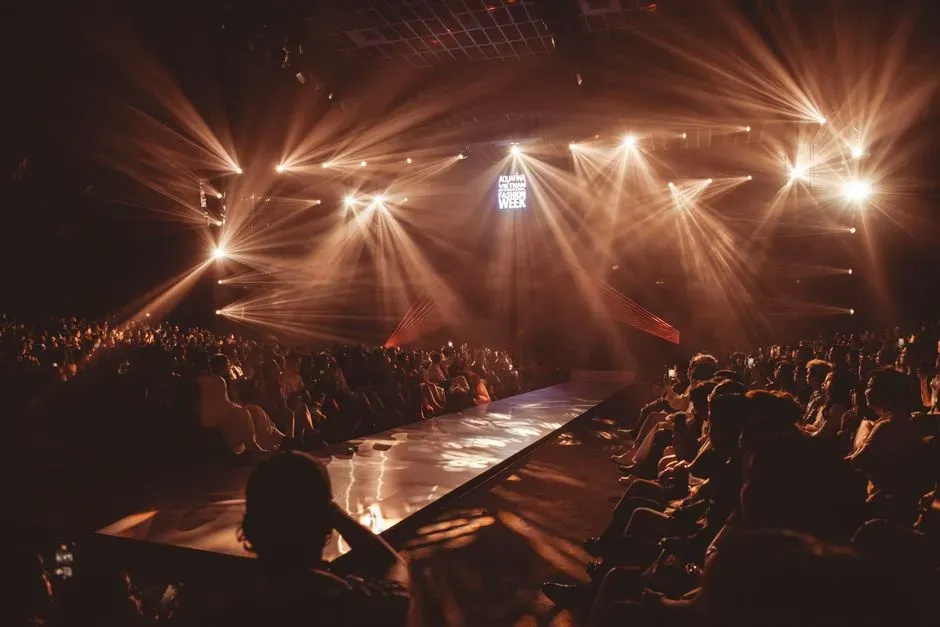
Photo by Thể Phạm on PexelsBefore "size inclusivity" was a phrase brands put in a press release, it was a complaint two bloggers kept hearing from their own readers: there was nowhere to actually try anything on, meet anyone else who understood the search, or say any of it out loud to the people making the clothes. So they built the room themselves.
Two Bloggers, One Room, One Simple Demand
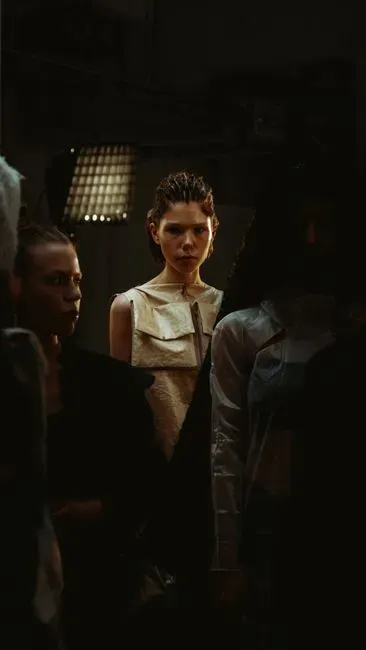
TheCurvyCon was founded in 2015 by CeCe Olisa and Chastity Garner Valentine, who had already spent years in plus-size fashion blogging — Garner Valentine launched GarnerStyle in 2008, building it into one of the space's most-read style blogs long before "influencer" was the job title.
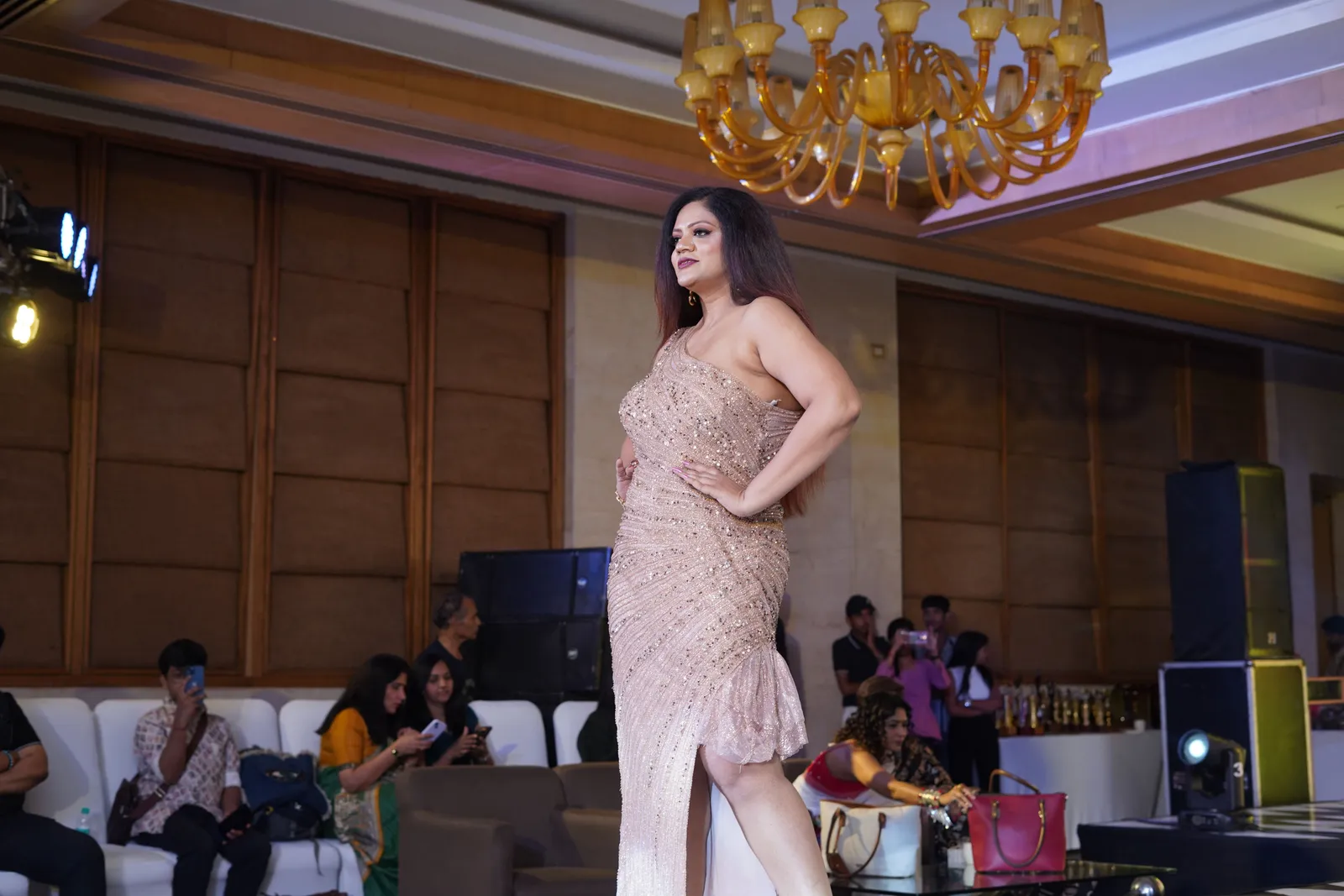
What started as a smaller spring gathering moved to New York Fashion Week timing in 2017, a deliberate scheduling choice, not an incidental one. "We believe that fashion should be inclusive to women of all sizes; that's why we moved theCURVYcon to New York Fashion Week," Olisa told WWD at the time. That year's edition, held at Metropolitan West, drew a keynote from "This Is Us" star Chrissy Metz alongside the panels, workshops, and pop-up shops from plus-size brands that had become the event's format. By 2019 — its fifth year — Fashionista was covering it as evidence that, in the outlet's own framing, the future of fashion was fat.
Saying the Quiet Part to Retail's Face
What made TheCurvyCon more than a photogenic pop-up was that its founders used the platform to say, on the record, what the industry didn't want printed in a trend report. Garner Valentine has pointed publicly to brick-and-mortar closures, an oversaturated straight-size market, and a plus-size customer base that makes up the majority of American women while getting the fewest options — a demographic pattern well-attested across industry reporting for years. Olisa's version of the same argument came with a small, telling detail: she told WWD that posting a shirt on Instagram would get her a hundred requests for where to buy it — after she'd spent a year hunting one down herself. That's the gap TheCurvyCon was built to needle: not a lack of demand, but a lack of supply anyone bothered to size correctly.
“The industry didn't lack plus-size customers. It lacked anyone willing to design for the ones it already had.”
Beyond the Convention Floor
Neither founder stopped at critique. TheCurvyCon built brand partnerships into its programming over the years, including an expanded relationship with subscription retailer Dia&Co. Garner Valentine took the argument directly into product: her 2021 après-ski collection with Fashion to Figure — 17 pieces, sized 0X to 4X — was reportedly the retailer's first plus-size ski and outerwear line, built with the strategic stretch and proportion a straight-size pattern block was never going to deliver. It's the same thesis as the convention itself, just executed as a rack instead of a runway: don't ask the plus-size customer to make do — design for the body that's actually walking in.

Shop the Mana Collection
Fat Girl Fan Club Tee
Lifetime member. The fan club for the ones who already knew — a cream-and-gold ticket-stub of a shirt on a garment-dyed black or navy body.…
Curves Are The Culture Tee
The line, said flat: curves are the culture — not a trend that needs your permission, not a moment somebody's brand discovered last spring.…
BBW Graffiti Splash graphic T-Shirt
Graffiti is what it looks like when somebody decides they will be seen without asking permission — same energy here. Heavyweight 6.1 oz rin…
Related Stories
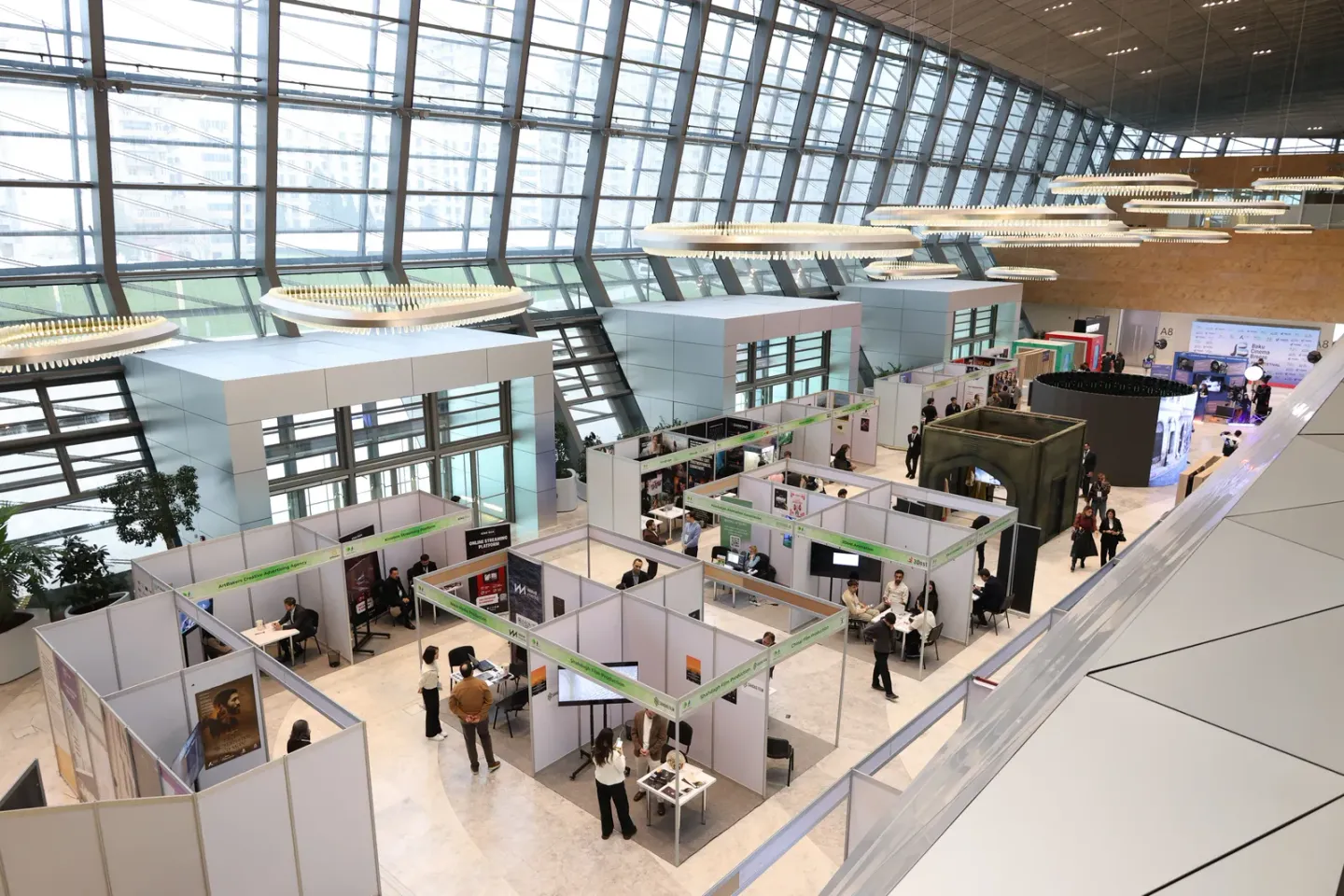 Photo by Tahir Xəlfəquliyev on Pexels
The Fall Plus-Size Event Calendar, and What You Can Actually Confirm Before You Pay
Two of the season's bigger events are selling tickets right now. Between them, their own pages omit a date, a venue, and every price.

What It Actually Costs to Compete for National Miss Curvy
National Miss Curvy's entry fee, deposit, ad minimum, and photo package add up to $1,450 — the real cost of a pageant circuit this magazine has never covered.
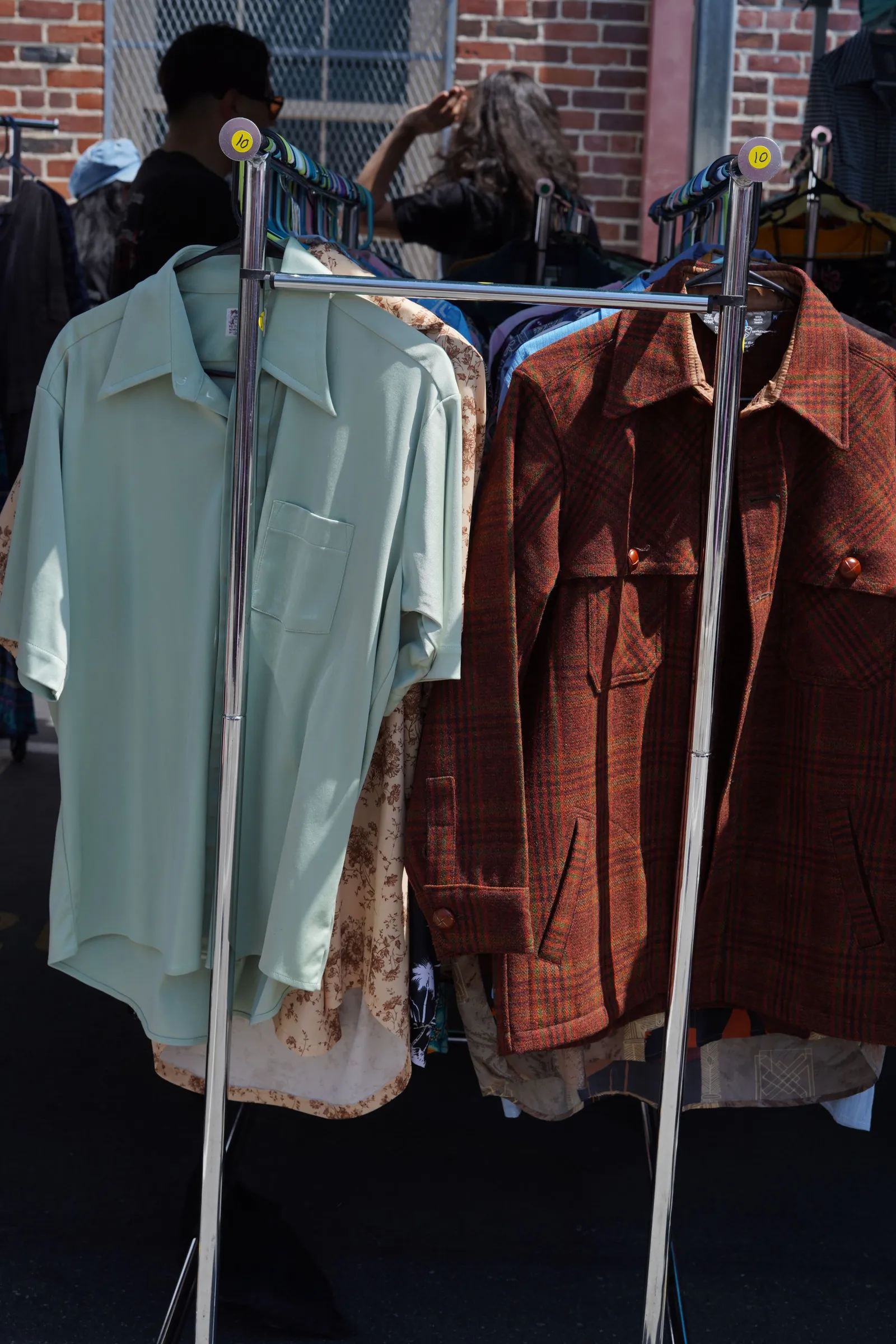 Photo by Anastasiya Badun on Pexels
Vintage Never Came in Her Size. Plus-Size Shoppers Are Building Their Own Markets for It.
Indianapolis got what WISH-TV called its first two-day size-inclusive vintage market in June. Cleveland's Secondhand Stare shows it isn't a one-off.