
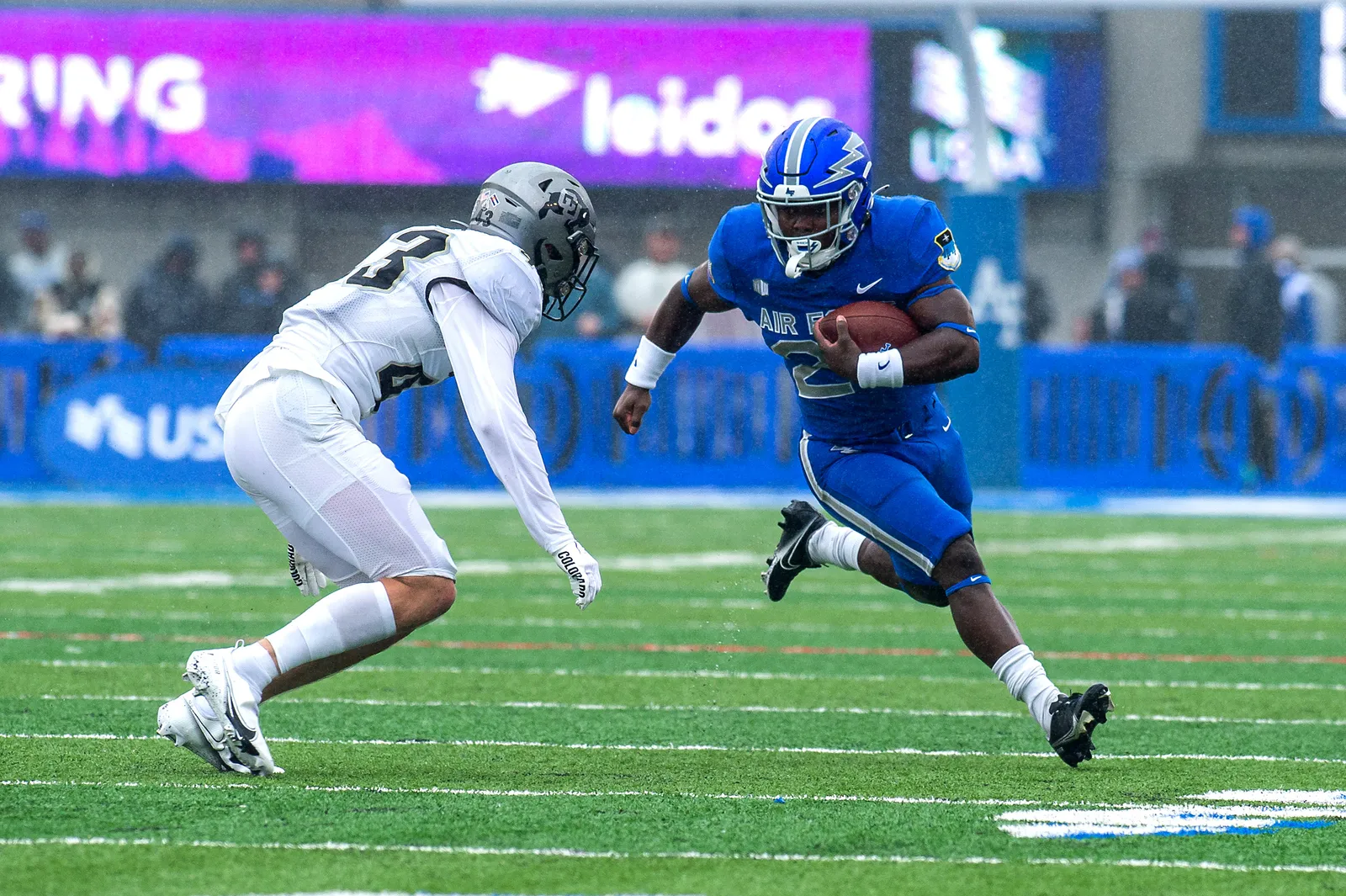
Chauncey Gooden Is Playing Both Ways in the Trenches at Colorado: "Me and the Bench, We Don't Get Along"
Colorado sophomore guard Chauncey Gooden took defensive-tackle snaps in a 14-13 win over Georgia Tech — a two-way assignment linemen lost in 1964.
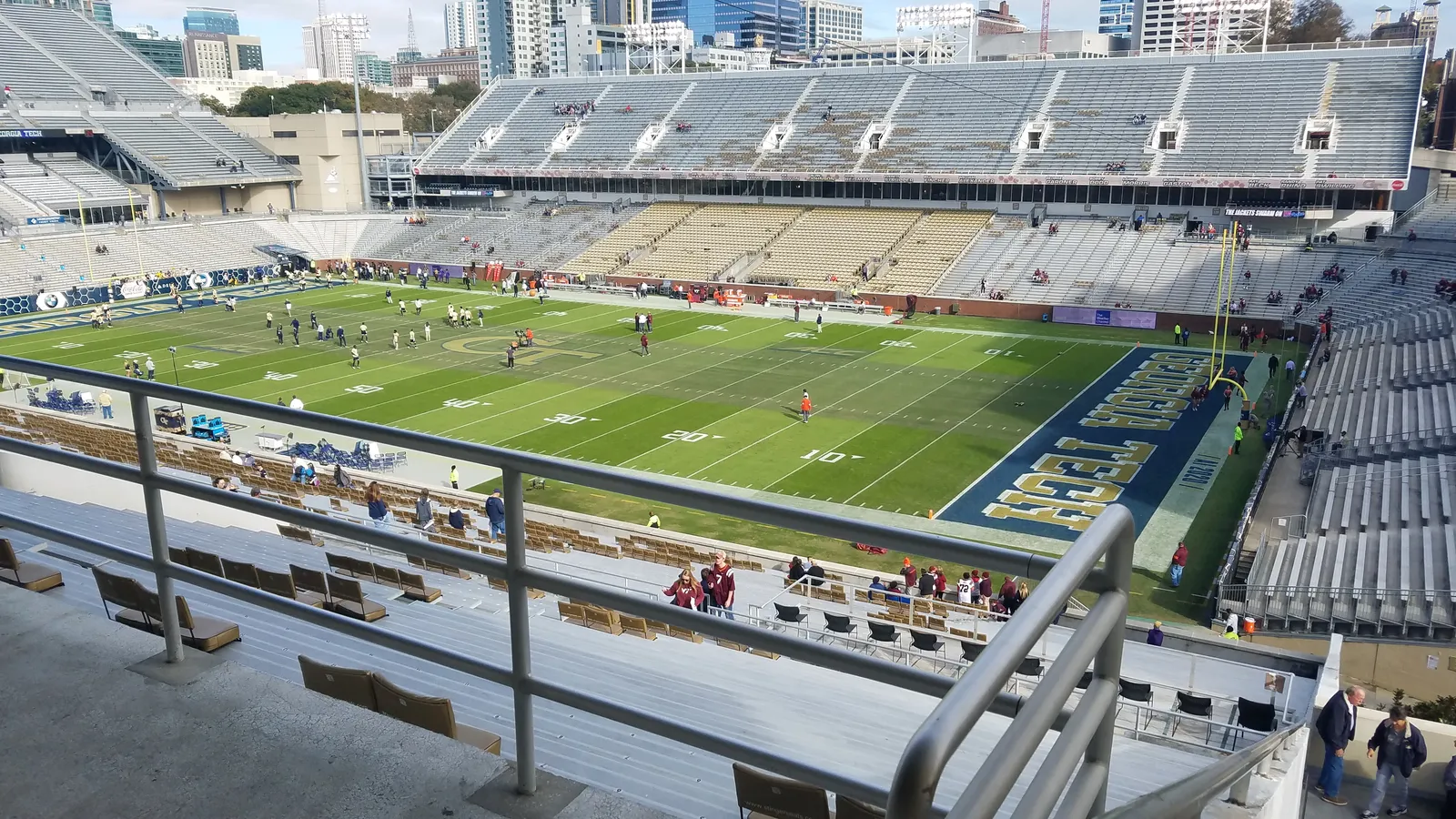
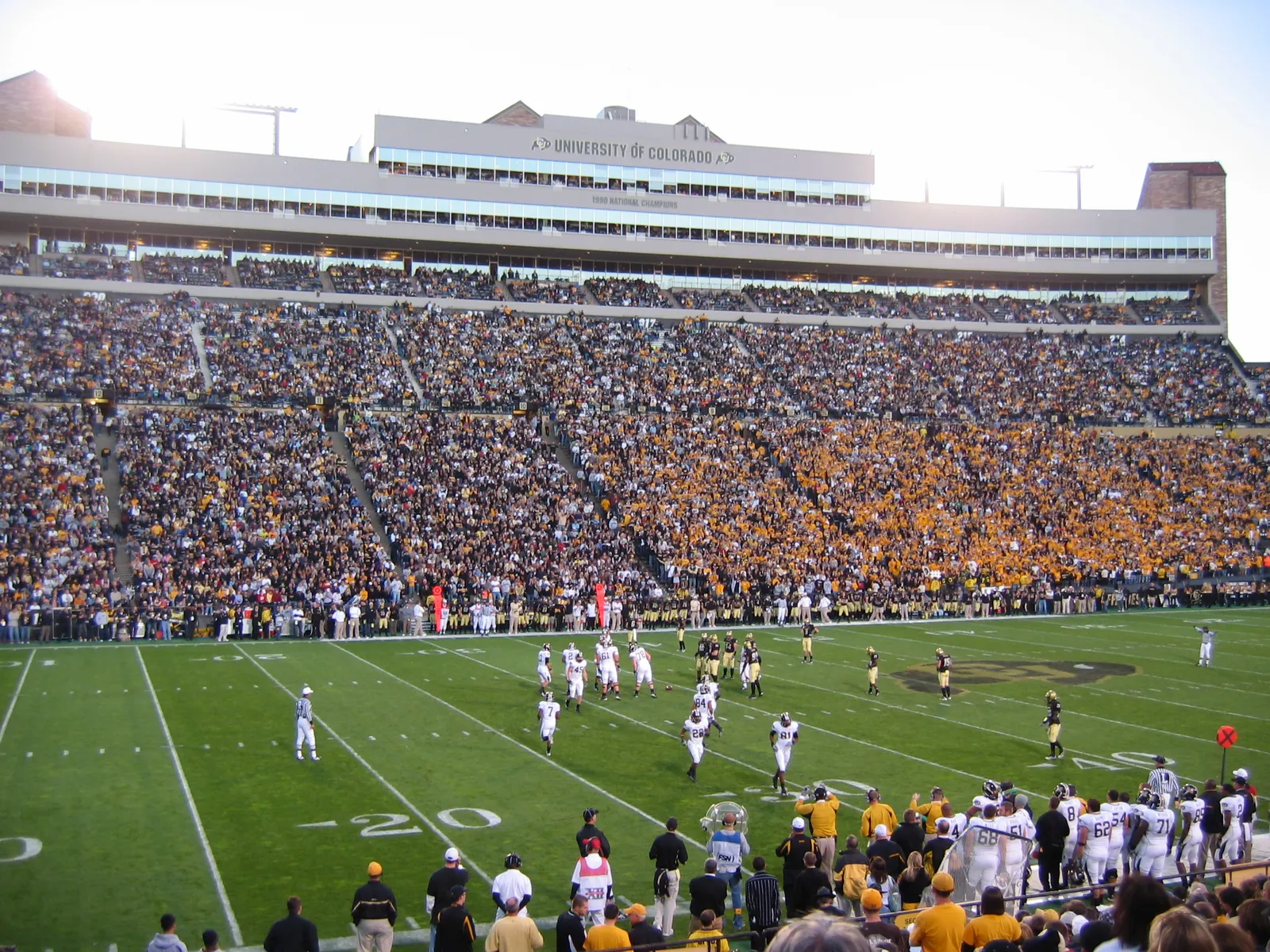
Photo by Trevor Cokley, Public domain, via Wikimedia CommonsColorado beat Georgia Tech 14-13 on the road at Bobby Dodd Stadium on Thursday, September 3, 2026 — and the Buffaloes' left guard spent part of the game on defense, too. Chauncey Gooden, a 6-foot-3, 380-pound sophomore who wears No. 51, started at left guard and played 65 offensive snaps. He also lined up at defensive tackle: seven snaps, according to USA TODAY, or eight, according to the Nashville Tennessean — the two outlets don't agree on the exact count, but they agree on everything else, including his one tackle. This desk profiled how scouts actually grade offensive linemen the day after that game; Gooden is the rare case where the scouting report and the highlight reel are the same man.
“Me and the bench, we don't get along. I'm going there to get on the field. I'm going there to play, and I'm going there to be me.”
He said that more than a year and a half before he played a single defensive snap for Colorado — the crossover wasn't a midseason improvisation from a coaching staff short on bodies, and it came with a condition attached. "First off, it was on the offensive line," Gooden told reporters at his press conference the week after the Georgia Tech win. "He made it clear that I need to handle what I need to handle on the offensive side to be able to play defense. But defense is always something I've had the heart for." The deal: "Coach Prime said, you dominate on offense and then you'll be able to play defense." The opening came later in camp. "Guys get banged up and things like that," Gooden said, and Sanders asked him directly what he could do on the defensive line, Gooden said. "And I was like, 'Coach, I can go over here and show you now,'" Gooden said. "So I went over there. I was just causing havoc, being myself." He also drew the comparison to Travis Hunter, Colorado's Heisman-winning two-way cornerback, before anyone asked him to: "Heisman winner Travis Hunter (was) the best player to do it," he told USA TODAY. "So it's just like, the fact that I can do what he did, even in the trenches, it's just remarkable."
The Rule College Football Repealed in 1964
Two-way linemen didn't disappear from college football because men got too big to play both sides. They disappeared because a rule stopped requiring it. Through most of the sport's first half-century, substitution was tightly restricted — a player pulled from a game in the 1930s and '40s often couldn't return until the next half — so everyone played both ways out of necessity. Unlimited substitution arrived in 1941, and Michigan's Fritz Crisler built the first modern two-platoon system in 1945. The NCAA reversed course in 1953 and reimposed one-platoon football, a cost decision made as roughly 50 colleges were dropping the sport entirely, not a safety one. The restriction held for 11 seasons before the NCAA repealed it in 1964, and separate offensive and defensive units became standard with the 1965 season. Specialization, in other words, is the newer invention; what Gooden is doing used to be compulsory, then became structurally impossible once programs could afford to split one player into two. The last of the true two-way linemen, Penn's Chuck Bednarik, played center and linebacker from 1945 to 1948, won the Maxwell Award as the country's best player in 1948 — the first offensive lineman ever to win it — and finished third in Heisman voting that same year, doing both jobs at once. Sanders isn't a bystander to that lineage, either: he was the NFL's last regular two-way starter, playing cornerback and occasional receiver for Dallas in 1996. He has called Gooden 'the only interior lineman in all Division I football who played both ways' this season — a claim that traces to a single report — from USA TODAY's Brent Schrotenboer — that every other outlet covering the story has recycled rather than independently confirmed; Yahoo Sports' own headline narrows the same claim to the only FBS interior lineman to do it in the season's first week. No outlet has published a snap-count audit to back either version, and no database tracks two-way FBS players as a category at all — the most that can honestly be said is that nobody has found another one. Whatever the real count turns out to be, Gooden's workload is nowhere near Travis Hunter's: Hunter played roughly 1,422 total snaps across offense and defense in his 2024 Heisman season, better than 30 a side, every game. Gooden played 65 offensive snaps and seven or eight defensive snaps in one game — a defensive share of roughly a tenth of his offensive one. Eight snaps at defensive tackle is a package, not yet a role.
The Physiology Nobody Expects
The assumption walking into this story is that a 380-pound man playing both ways is mostly a conditioning problem — that the hard part is cardio. A 2016 study in the Journal of Strength and Conditioning Research fitted 33 FBS players with GPS trackers across a full season and found that receivers covered significantly more total distance, at significantly higher intensity, than every other offensive position group tracked, offensive linemen included. The authors pointed to the position's 'static play initiation posture' and the fact that nearly every snap ends in contact with an opponent positioned about a meter away — true of offensive line, defensive tackle, and defensive end alike. A lineman isn't running a route or covering one; he's colliding with another 300-pound man and resetting, snap after snap. That's the actual reason a 190-pound cornerback going both ways is an easier ask than a 380-pound guard doing it: the burden isn't distance covered, it's collision volume, on a body that generates heat fast and sheds it slowly. Gooden told a story at the same press conference that makes the point better than any study. "If y'all go hard right here, y'all won't have to condition at the end of practice," he remembered being told. "So I go out there, I pancake two people straight," he said. The deal didn't hold. "We still ended up conditioning that day," he said. "So we had a long conversation about that after practice."
Gooden's size carries its own paper trail, and it's worth reporting exactly as documented rather than resolved. He committed to Colorado in June 2024 at 330 pounds. By his first spring on campus, in April 2025, he was listed at 380 — one of the two heaviest players on a roster that has gone from 10 players over 300 pounds to 15 to 21 in three seasons, a program buying size on purpose. A year later, offensive line coach Gunnar White said on the record that Gooden 'came in a little heavy' and had been working with the team's nutritionist and in conditioning to bring it down. 'It's helped him drop his weight,' White said. 'He's on the right track with that.' Colorado's own roster has listed Gooden at 380 pounds for 18 straight months regardless. Nobody has published a current number, and this piece isn't going to invent one — a roster listing is a marketing document, not a scale, and the honest version of this story is the discrepancy itself, not a resolution of it.
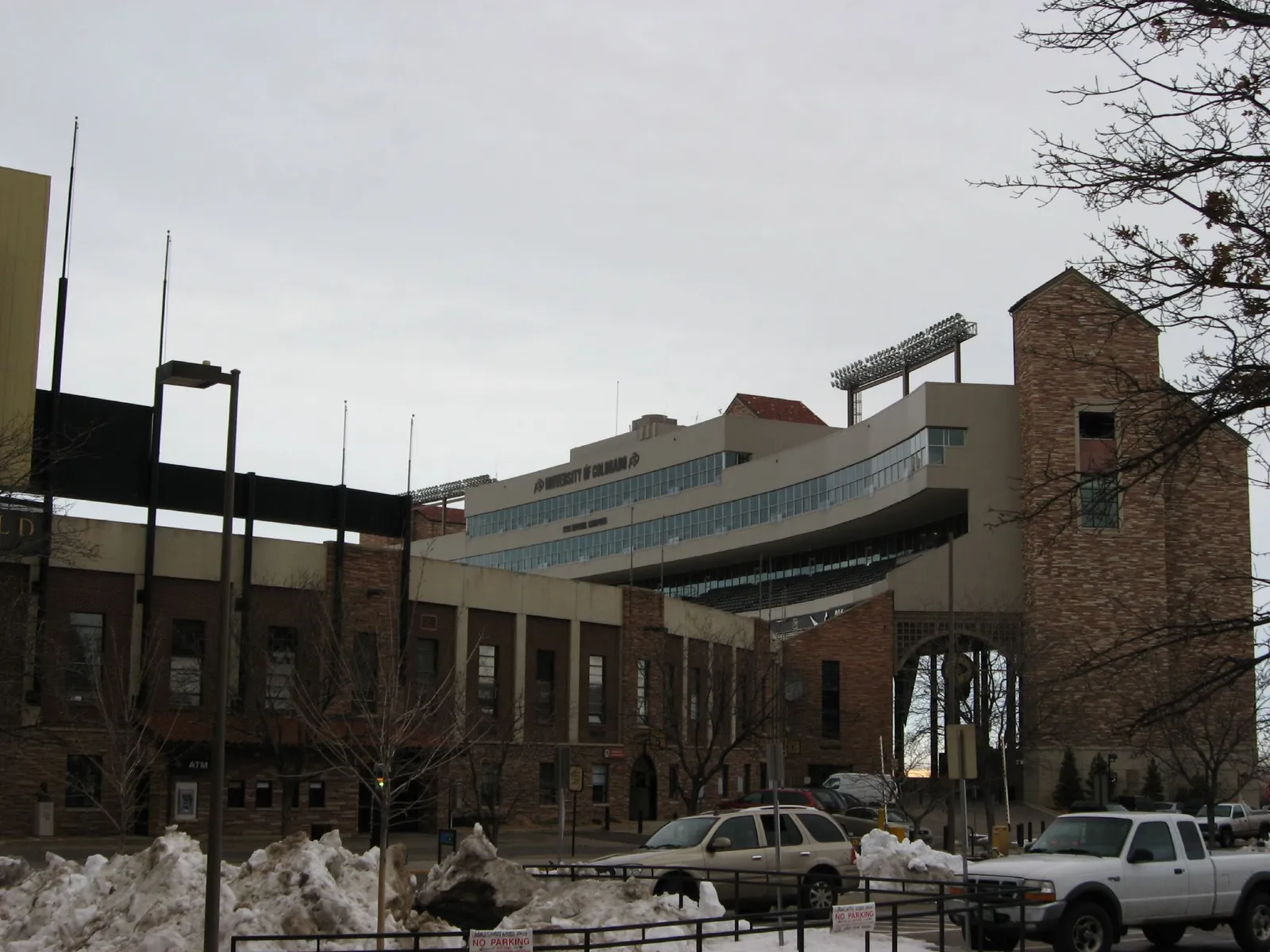
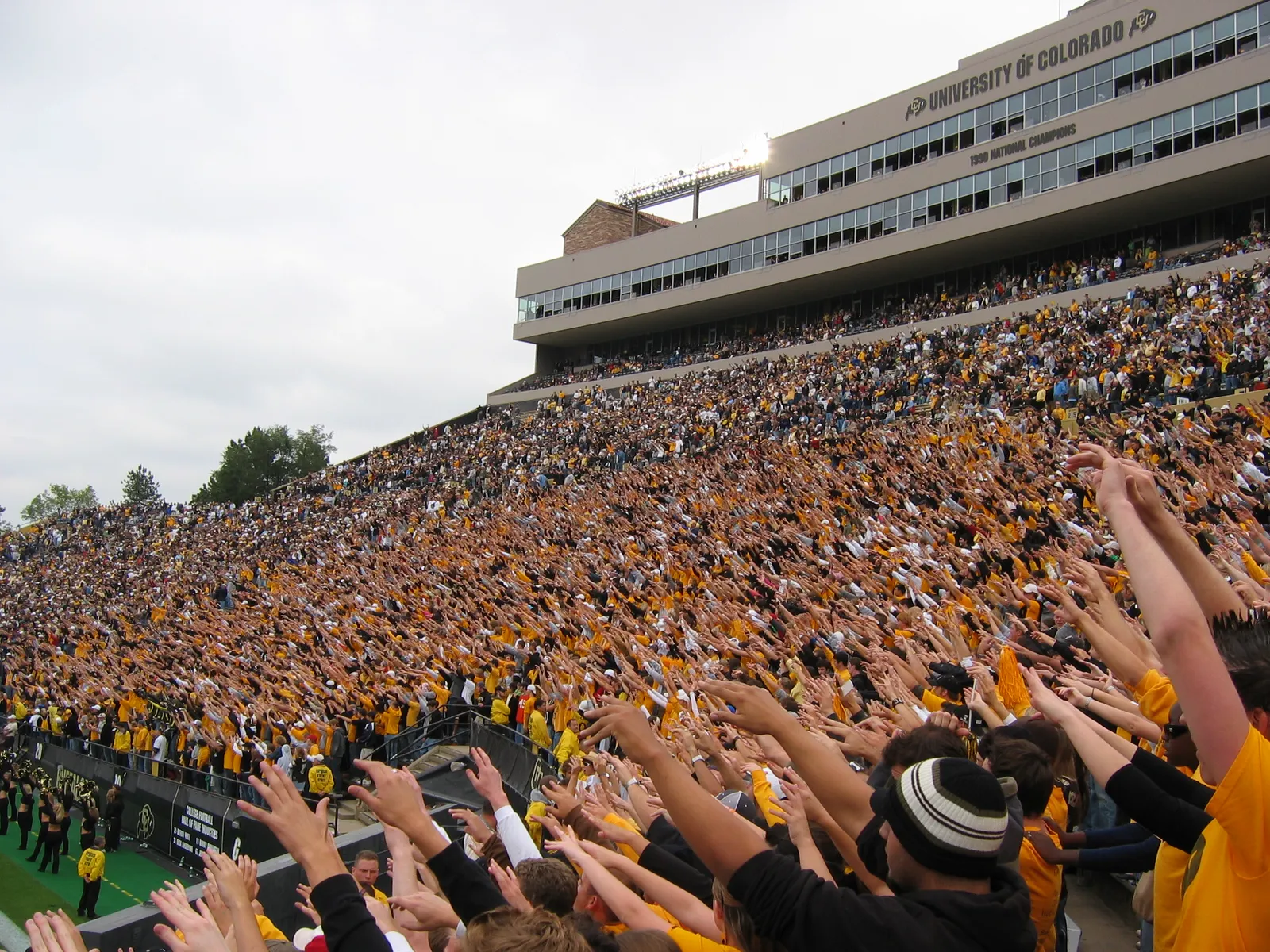
Colorado beat Weber State 52-21 in its home opener at Folsom Field on Saturday, September 12, and Gooden crossed over again. He started at guard, and Colorado's official play-by-play also credits him with a quarterback hurry on a Weber State second-and-11 pass that fell incomplete; ESPN's box score lists him among Colorado's defenders with that one hurry and no tackles. What neither shows is how many defensive snaps he took or where he lined up, and as of Sunday, September 13, no outlet had published a Week 2 snap count. So the update is narrow: the package made it into a second game, and it produced a pressure. One hurry doesn't make it a role.
Shop the Athlos Collection
Heavyweight Class Tee
No lightweights. An athletics-department tee for a body that takes up space and doesn't answer to anybody about it — heavyweight is a class…
Thundering Chickadees Football Tee
Light, soft, and built for everyday confidence — this casual jersey tee carries a playful vintage-athletic vibe. A small, hand-drawn mascot…
BBW University Tee
Light, soft, and built for everyday confidence — this casual jersey tee carries a playful vintage-athletic vibe. A small, hand-drawn mascot…
Related Stories
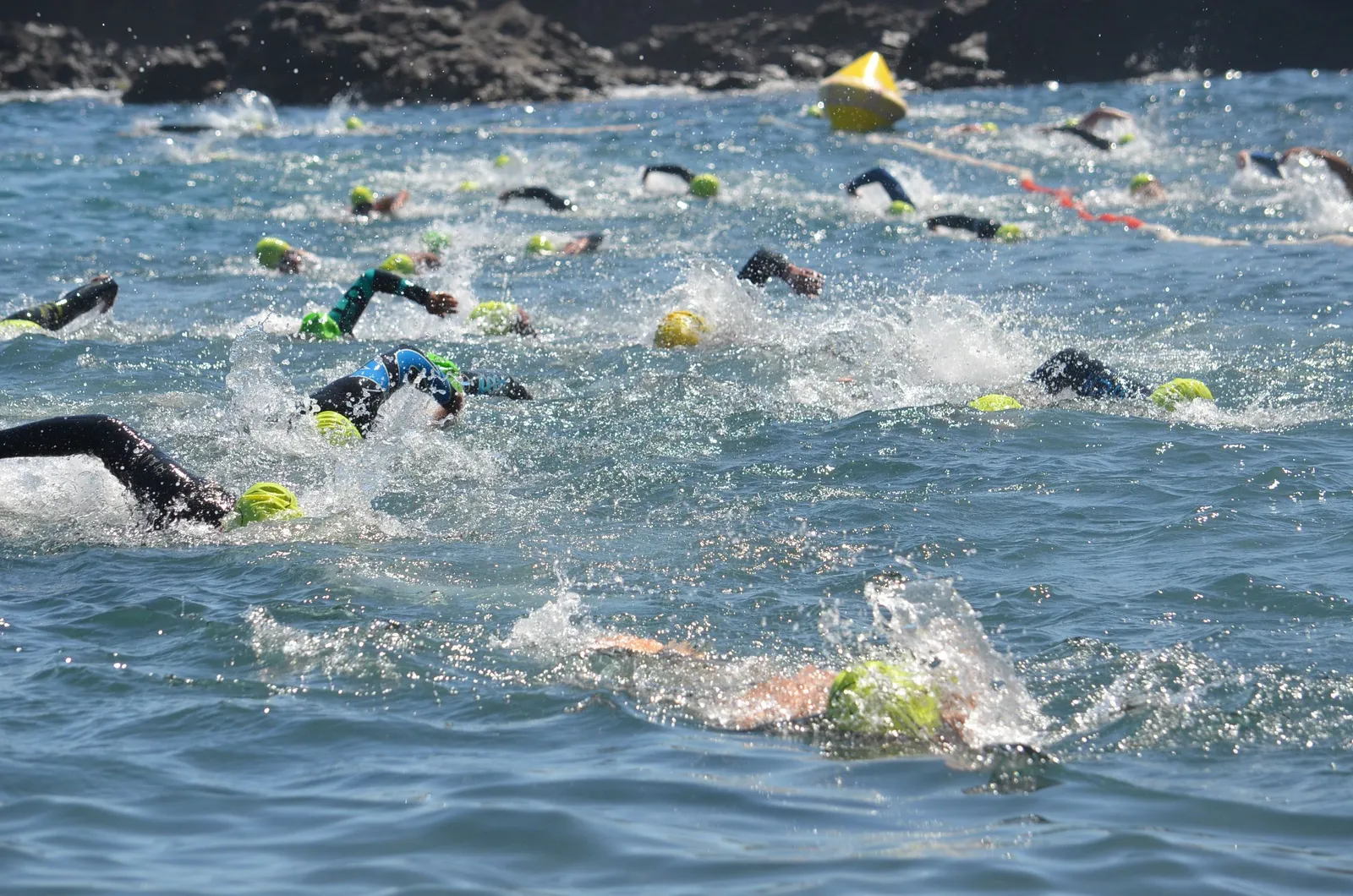 Photo by Gregorio Dorta Martin on Pexels
USA Triathlon's Clydesdale and Athena Racers Get Their Own Start Wave
At August's Milwaukee nationals, triathletes in the 220-plus and 165-plus-pound divisions left the line as their own start wave.
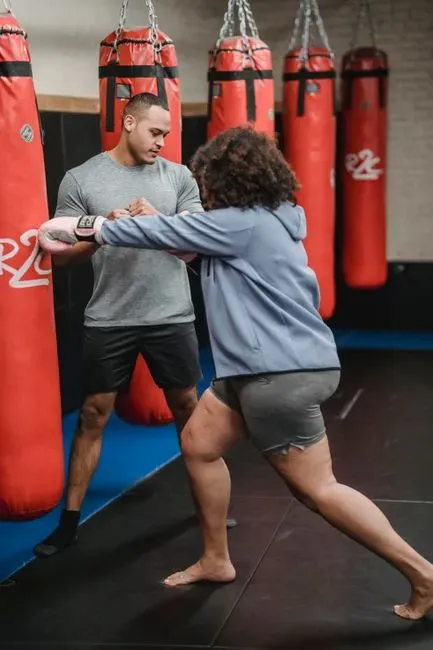 Photo by Julia Larson on Pexels
Built from the Ground Up: The Gyms and Gear Actually Designed for Bigger Bodies
A Portland gym rates its equipment to 500 pounds. An activewear brand fit-tests every piece through size 42. Real design, not a resized afterthought.
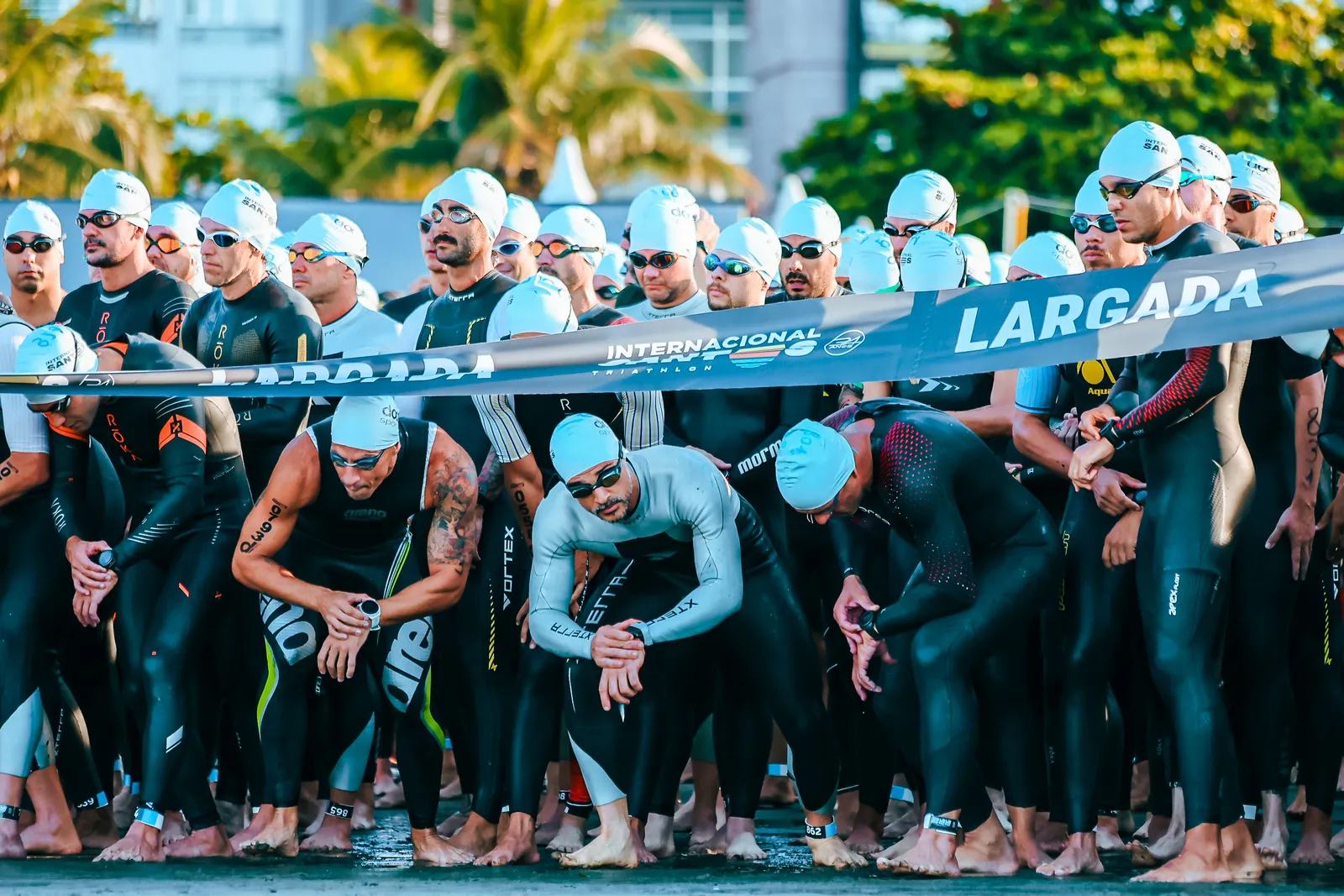 Photo by Lucas Borges on Pexels
Every Clydesdale and Athena Title: The Milwaukee Nationals Results
Phillip Young won Clydesdale overall in all three Milwaukee races, August 7–9. The divisions' separate start wave ran in two of the three — and wasn't a first.