
USA Triathlon's Clydesdale and Athena Racers Get Their Own Start Wave
At August's Milwaukee nationals, triathletes in the 220-plus and 165-plus-pound divisions left the line as their own start wave.
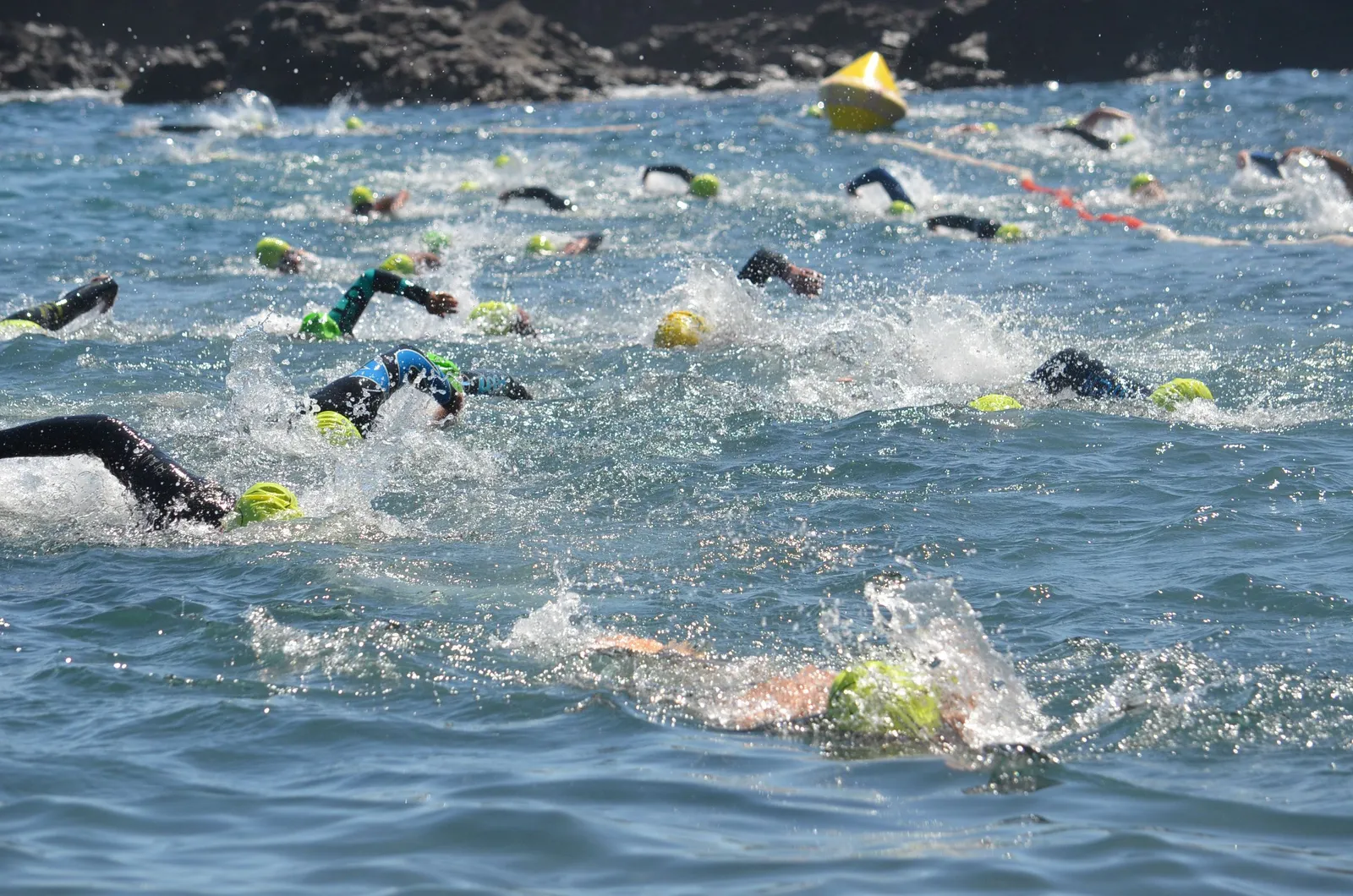
Photo by Gregorio Dorta Martin on PexelsUSA Triathlon's Sprint and Olympic Distance National Championships ran in Milwaukee August 7 through 9, and the sport's two weight-based divisions raced as their own wave. Clydesdale (men 220 pounds or greater) and Athena (women 165 pounds or greater) athletes no longer start folded into standard age-group waves at nationals — they get a designated wave of their own, according to USA Triathlon's event page for the championship.
How the Divisions Work

Clydesdale and Athena are opt-in categories, not something a race assigns. An athlete who meets the weight threshold chooses to register in the division. To collect a division award, that athlete has to weigh in at packet pickup, in essential race gear only, and meet or exceed the minimum weight on the scale — 220 pounds for Clydesdale, 165 for Athena. Anyone who skips the weigh-in stays eligible for their age-group result but loses the division award. USA Triathlon further splits each division into its own age brackets at nationals — Clydesdale runs 39 and younger, 40 to 59, and 60 and older; Athena runs 39 and younger, 40 to 54, and 55 and older.
Two Sets of Results, Not One
Racing as a separate wave doesn't replace age-group competition — it adds to it. Clydesdale and Athena athletes remain fully eligible for their five-year age-group awards and for Team USA qualification, the same as every other competitor at nationals. The separate wave and the separate set of division awards run alongside that result, not instead of it. Athletes still have to qualify for the sprint and Olympic-distance national championship races through the same paths as everyone else in their age group — the division doesn't change the qualifying standard.
Not a Novice Category
USA Triathlon has been explicit on this point in its own race-director guidance: Clydesdale and Athena are not beginner divisions. The organization's athlete-support materials note that the field has included overall race winners, national champions, Team USA members, and Ironman finishers racing under the Clydesdale or Athena banner. At June's Long Course National Championships in East Freetown, Massachusetts, the division wins carried real times against a real course: Chaz Adams of Portsmouth, New Hampshire, took the Clydesdale overall long-course triathlon title in 5:24:23; Justine Allen of Providence, Rhode Island, won the Athena overall/40-54 title in 6:47:02; Dale Dolan of Atascadero, California, and Erin Byrge of Holly Ridge, North Carolina, took the Clydesdale and Athena aquabike titles in 2:59:38 and 3:17:12. Lance Fargo of Reisterstown, Maryland, won the Clydesdale 60-plus division, and Cheryl Voutour of West Townsend, Massachusetts, won the Athena 55-plus division; Leslie Battle of Warwick, Rhode Island, won the Athena duathlon title in 8:40:09.

Shop the Athlos Collection
Heavyweight Class Tee
No lightweights. An athletics-department tee for a body that takes up space and doesn't answer to anybody about it — heavyweight is a class…
Thundering Chickadees Football Tee
Light, soft, and built for everyday confidence — this casual jersey tee carries a playful vintage-athletic vibe. A small, hand-drawn mascot…
BBW University Tee
Light, soft, and built for everyday confidence — this casual jersey tee carries a playful vintage-athletic vibe. A small, hand-drawn mascot…
Related Stories
 Photo by Julia Larson on Pexels
Built from the Ground Up: The Gyms and Gear Actually Designed for Bigger Bodies
A Portland gym rates its equipment to 500 pounds. An activewear brand fit-tests every piece through size 42. Real design, not a resized afterthought.
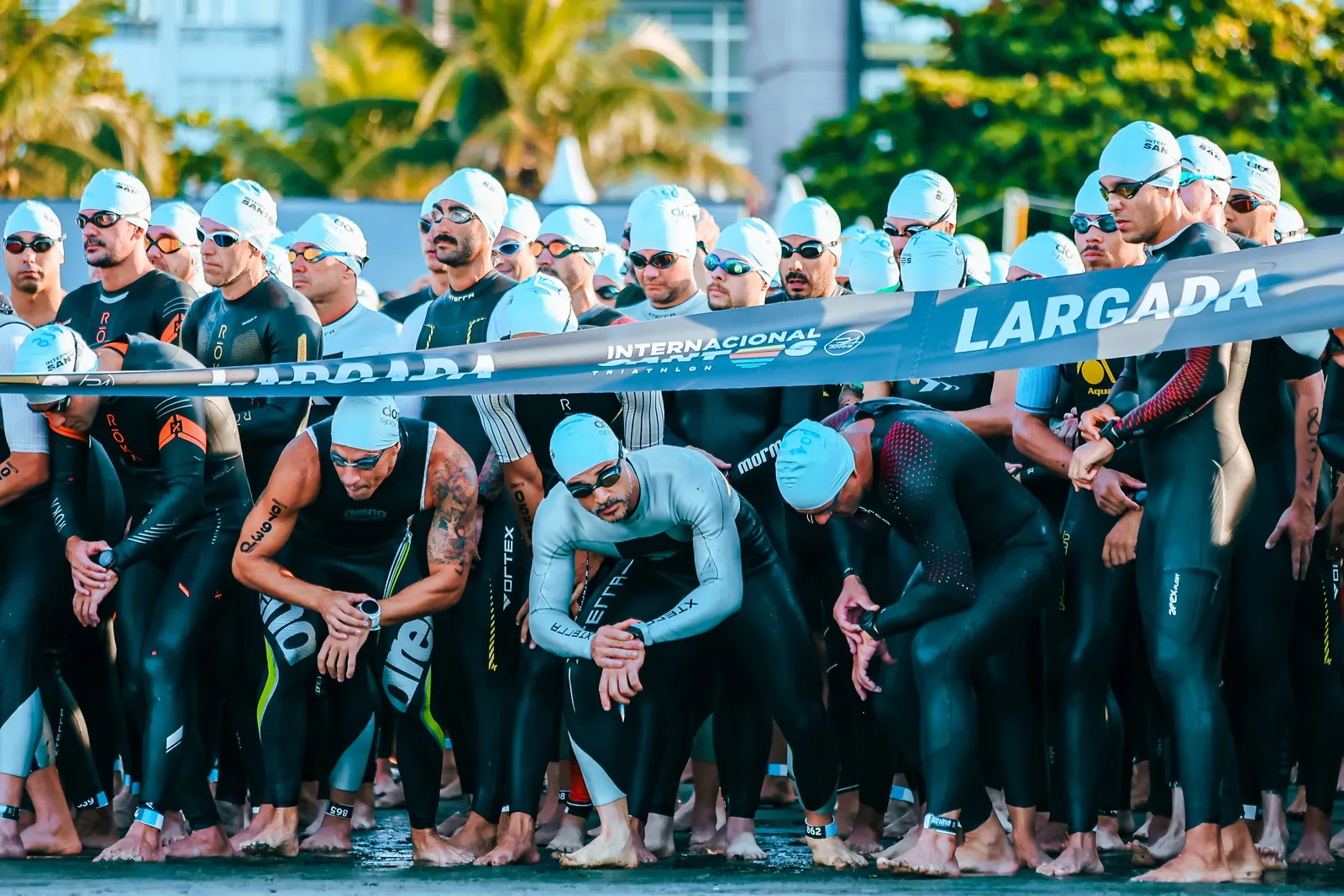 Photo by Lucas Borges on Pexels
Every Clydesdale and Athena Title: The Milwaukee Nationals Results
Phillip Young won Clydesdale overall in all three Milwaukee races, August 7–9. The divisions' separate start wave ran in two of the three — and wasn't a first.
 Photo by Pixabay on Pexels
352 Pounds, 12th Overall: Inside the NFL Line's Rising Size Floor
Kadyn Proctor weighed in at 352 pounds and still went in the draft's first round. Draft-weight data going back to 1974 shows why nobody blinked.