Meta's Own Research Found the Algorithm Feeds Struggling Teens More Body Content. What Happens to Plus-Size Content on the Same Platforms?
An internal Meta study reviewed by Reuters puts a number on it: three times the disordered-eating content for teens already feeling bad about their bodies.
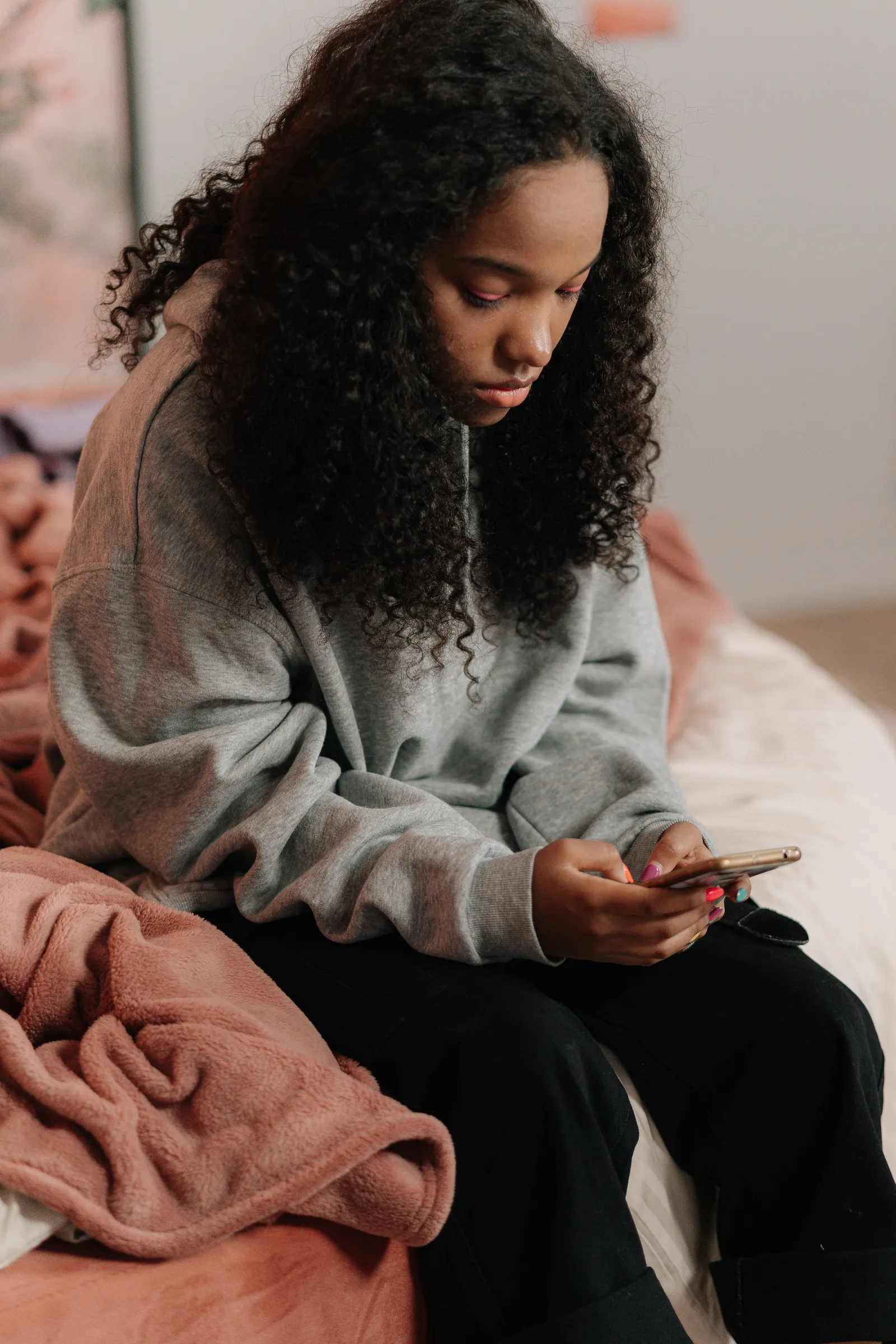
Photo by cottonbro studio on PexelsReuters reported on October 20, 2025, that it had reviewed an internal Meta document studying how Instagram's feed treats teenagers who already feel bad about their bodies. Meta surveyed 1,149 teens over the 2023–2024 academic year on whether the app made them feel that way, then examined three months of the content actually served to the 223 who said it happened frequently. Among that group, content the study categorized as "eating disorder adjacent" made up 10.5 percent of what they saw, versus 3.3 percent for the rest of the sample — roughly three times the rate. The Reuters story, bylined to Jeff Horwitz, described that content as showing "prominent display" of chest, buttocks, or thighs, "explicit judgment" about body types, and material "related to disordered eating and/or negative body image."
The document goes past the headline figure. Under a broader Meta-defined "harmful content" category — which also covers mature themes, risky behavior, and cruelty, not just body image — the same 223 teens saw that material 27 percent of the time, against 13.6 percent for everyone else in the study. Meta's own automated screening tools, according to the research, flagged only 1.5 percent of what the company's own definitions would later classify as sensitive — meaning 98.5 percent of it moved through the feed undetected in this sample. Reuters reported that teens, parents, pediatricians, outside advisors, and Meta's own Eating Disorder & Body Image Advisory Council had all urged the company to show teenagers less of it.
Meta did not dispute Reuters' figures. Spokesperson Andy Stone pointed instead to changes the company says it has made since, including a move to hold minors' Instagram feeds to a standard modeled on PG-13 movie ratings.
“This research is further proof we remain committed to understanding young people's experiences and using those insights to build safer, more supportive platforms for teens.”
The other side of the same system

Reuters' reporting is about eating-disorder-adjacent content broadly — the study does not break its sample down by body size, and nothing in it is about fat bodies specifically. But a recommendation and moderation system that over-serves harmful content in one direction can also under-serve, or actively suppress, in the other. The clearest documented example of that second pattern dates to 2020: Instagram removed a topless photo posted by British model and body-positivity campaigner Nyome Nicholas-Williams, in which she covered her breasts with her hands for a body-diversity photoshoot. After Nicholas-Williams and other Black creators spoke publicly about similar removals of their own work, Instagram told Newsweek the takedown was a case where "our policy on breast squeezing wasn't being correctly applied," reinstated the photos, and said it would change its nudity policy to "better support the Black community" and "ensure all body types are treated fairly."
Whether that kind of misapplication is still routine six years later is harder to establish from a single case. The clearest current evidence is academic rather than journalistic: a January 2025 study in the Proceedings of the ACM on Human-Computer Interaction, by Sena Kojah, Ben Zefeng Zhang, Carolina Are, Daniel Delmonaco, and Oliver Haimson, built a diary study and interviews around eight creators who identified as women, pole dancers, plus-size, and/or LGBTQIA+ — a population the researchers describe as facing disproportionate shadowbanning, meaning a platform quietly reduces a post's reach without saying so. The study describes those creators taking on what the authors call "invisible labor" to manage uncertainty the platforms never explain. Eight interviews is a small, qualitative sample, not a platform-wide audit, and the study does not isolate plus-size creators' experience from the other groups in it — it is evidence a pattern persists in the research literature, not a measurement of how often it happens.
Related Stories
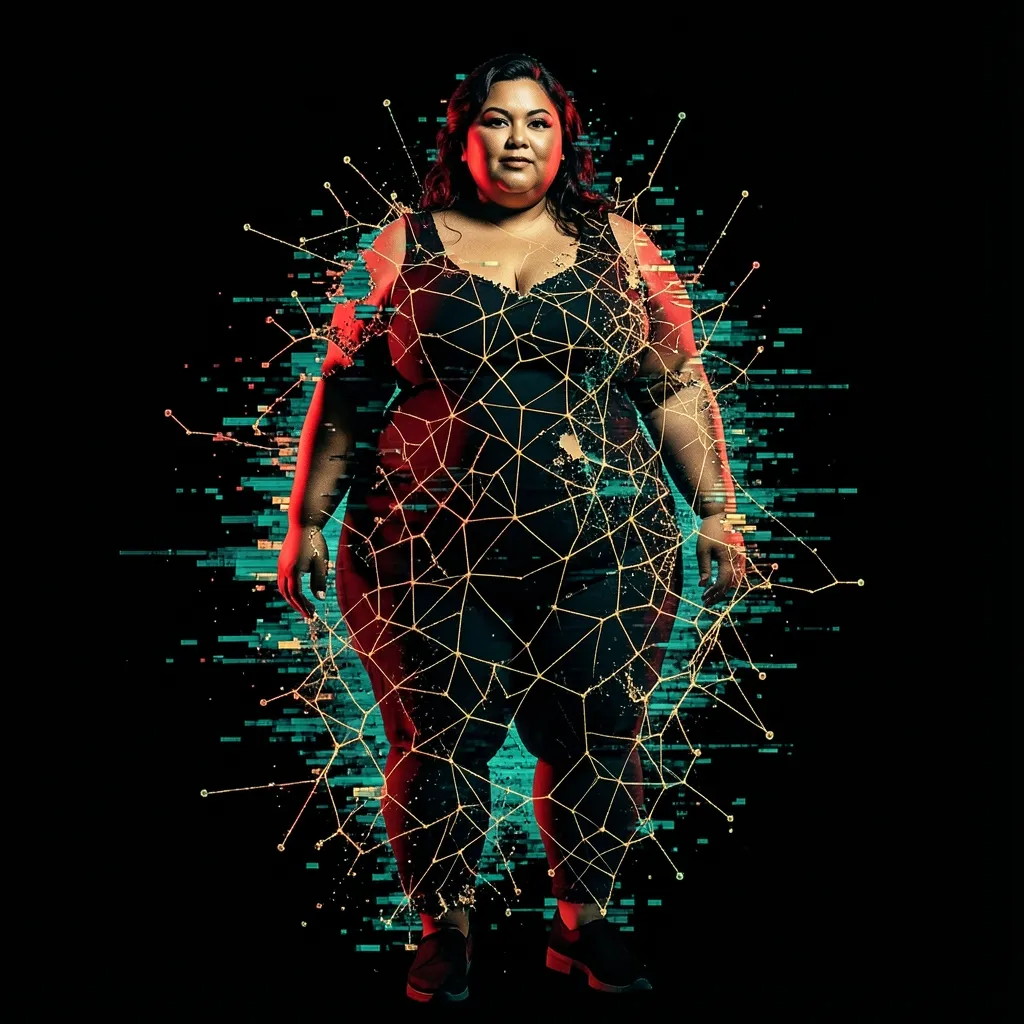
AI Image Generators Almost Never Draw "Good" People as Fat, Study Finds
A peer-reviewed study of 4,000 DALL-E 3 images found positive words like "virtuous" rarely drew fat figures, while negative ones like "greedy" often did.
 Photo by cottonbro studio on Pexels
Dating Apps' New AI Photo Rules: What Tinder, Bumble and Hinge Actually Require
Tinder's face-matching check is now mandatory in eight markets. Bumble and Hinge have their own rules — and none of the three mention body size.
 Photo by kaboompics.com on Pexels
Meta's $17.1 Billion Settlement Bans Filters and Like Counts. The Algorithm We Reported On Gets an Opt-Out, Not a Fix.
The settlement bans cosmetic filters and restricts like counts for teens. It doesn't require Meta to change what its algorithm recommends by default.