A CFL Scout Is Posting His Offensive Line Notes in Public
Mike Rittelmann evaluates linemen for the Calgary Stampeders and the College Gridiron Showcase — and posts exactly what he's watching for on X.
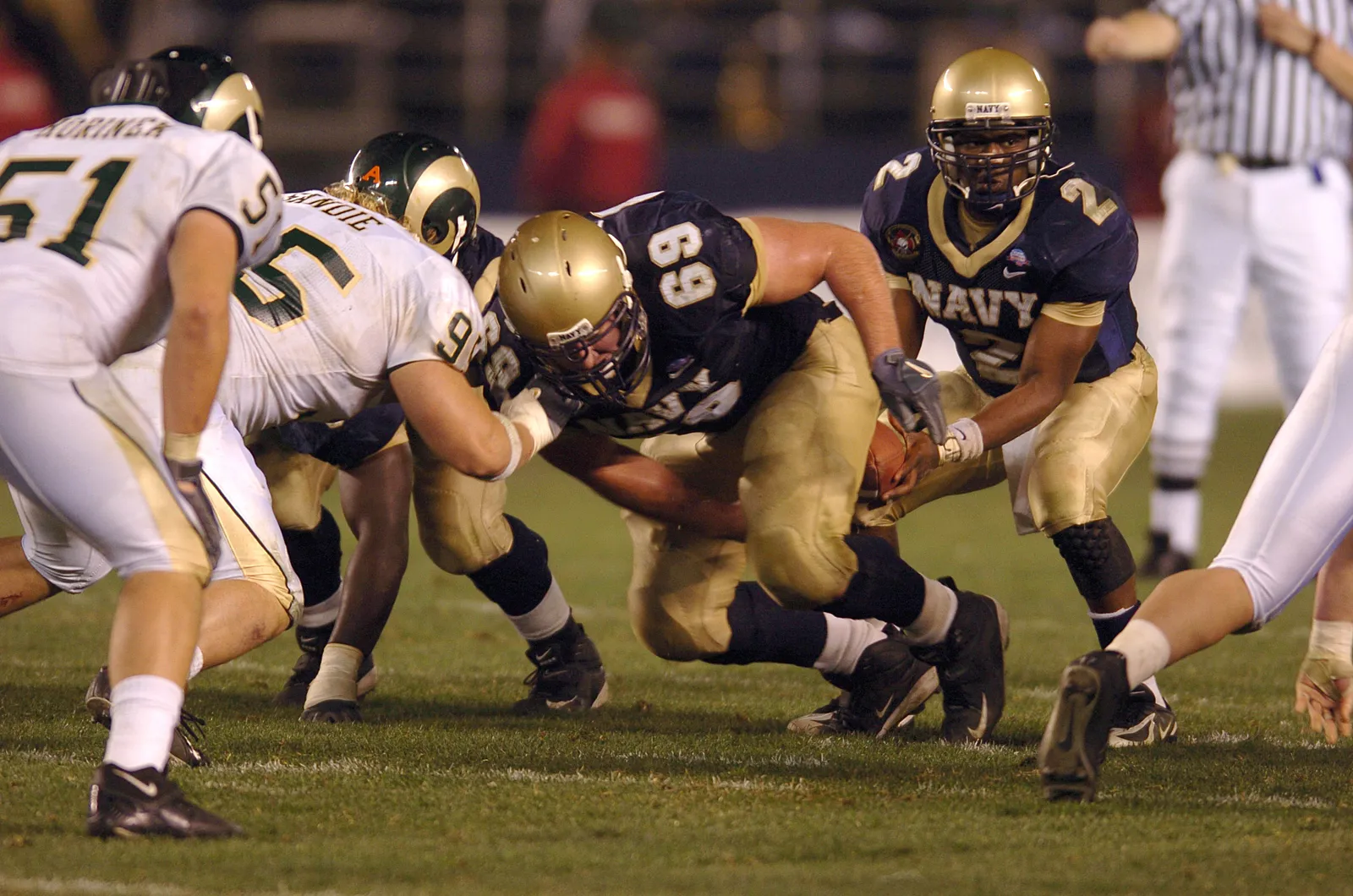
Photo by Journalist 2nd Class Zack Baddorf, Public domain, via Wikimedia CommonsMike Rittelmann evaluates offensive linemen for a living. He is a scouting consultant for the Calgary Stampeders of the CFL and the Director of Scouting and Player Personnel for the College Gridiron Showcase, the annual all-star event that puts 250 to 300 college players in front of scouts from the NFL, CFL, UFL, and other pro leagues each January in Fort Worth, Texas. None of that requires him to explain his job in public. He does it anyway, laying out, on X, exactly what he is watching for at the one position group most broadcasts treat as furniture.
He is a Beaver County, Pennsylvania native who played three seasons at defensive end for Waynesburg University, then coached there while finishing his master's degree. His own public professional bio puts his coaching career at about 11 years across the high school and college ranks — seven of those years, per his Sports Illustrated bio, at the high school level in western Pennsylvania. He has carried an active Sports Illustrated byline since 2022, and by a January 2024 interview with the Pittsburgh Union Progress was already in his eighth year running player personnel for the showcase. "Our niche is that fifth-to-seventh-round pick to undrafted-free-agent type of guy," he told the paper, describing the part of the draft board where linemen without five-star pedigrees actually get found. What that public voice actually sounds like showed up in a thread he posted on X on May 18, 2026, walking through how coaches and scouts each read the center position — a job most broadcasts only mention when it goes wrong.
The Center Is the Quarterback of the Line
“NFL and college evaluators look at centers as the quarterbacks of the offensive line. You are evaluating football intelligence just as much as physical ability. The best centers process information quickly, communicate with confidence, and play with outstanding awareness under pressure.”
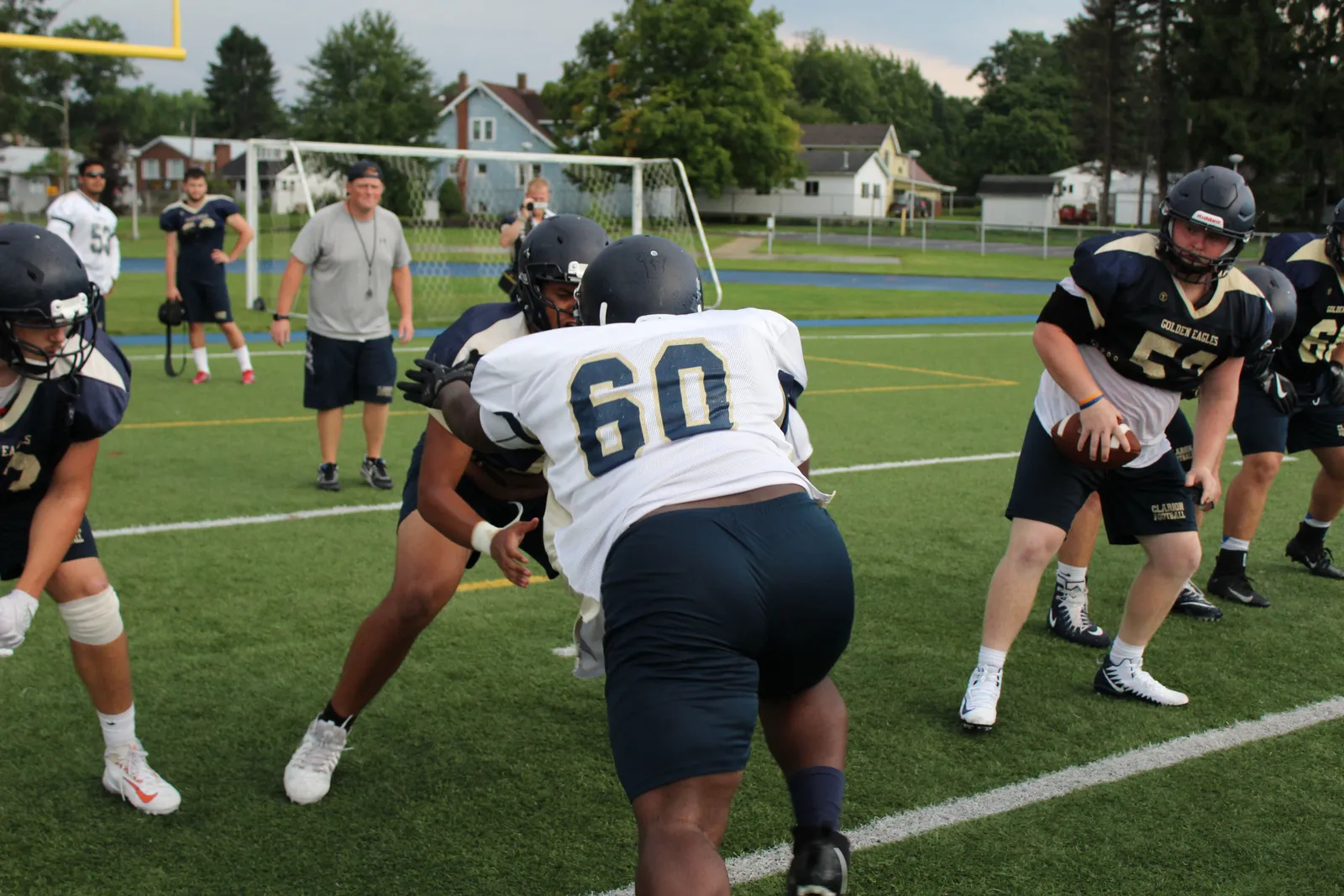
He listed the specific traits coaches and scouts actually prioritize — football IQ and communication, protection recognition, snap-to-step quickness, anchor strength, lateral agility, toughness, and leadership — the checklist of a position coach, not a highlight reel. "The best offenses in football are usually built from the inside out," he wrote, "and a great center is often the foundation that keeps everything together." Two weeks later, on June 2, he turned the same lens on something specific and unusual: Ferris State's offensive line snaps the shotgun with two hands instead of the conventional one, a wrinkle most programs don't teach. Rather than treat it as a curiosity, he laid out why it's actually useful evaluation material.
When the Technique Itself Is the Question
“Evaluators are not focused on whether a center uses a one hand or two hand snap. They are evaluating snap accuracy, timing, block execution, and overall effectiveness within the offensive system.”
"It serves as a reminder that successful programs can develop players using different techniques as long as the results are consistent," he wrote — the distinction between technique and outcome that is itself most of the job of scouting an interior lineman, where the traits that actually transfer rarely show up on a stat sheet. That's the same gap this desk built the Pocket Monster Award to close: a public, weekly ranking of college tackles, guards, and centers, because no one else was scoring the position in the open. Rittelmann is doing the adjacent version of that work from the personnel side — not ranking players publicly, but showing, in detail and for free, exactly what a working evaluator watches for when the ball is snapped. It's a small, specific corner of football media, mostly scouts and personnel staff talking shop on X rather than television analysts, and Rittelmann — with an actual scouting job on a CFL team's staff and an actual national byline — is one of the more credentialed voices doing it. This desk has measured the same position group from the size side, too, in a look at the NFL line's rising size floor — pounds counted at the combine instead of technique read off the tape, the same trench from a different angle.
Shop the Athlos Collection
Heavyweight Class Tee
No lightweights. An athletics-department tee for a body that takes up space and doesn't answer to anybody about it — heavyweight is a class…
Thundering Chickadees Football Tee
Light, soft, and built for everyday confidence — this casual jersey tee carries a playful vintage-athletic vibe. A small, hand-drawn mascot…
BBW University Tee
Light, soft, and built for everyday confidence — this casual jersey tee carries a playful vintage-athletic vibe. A small, hand-drawn mascot…
Related Stories
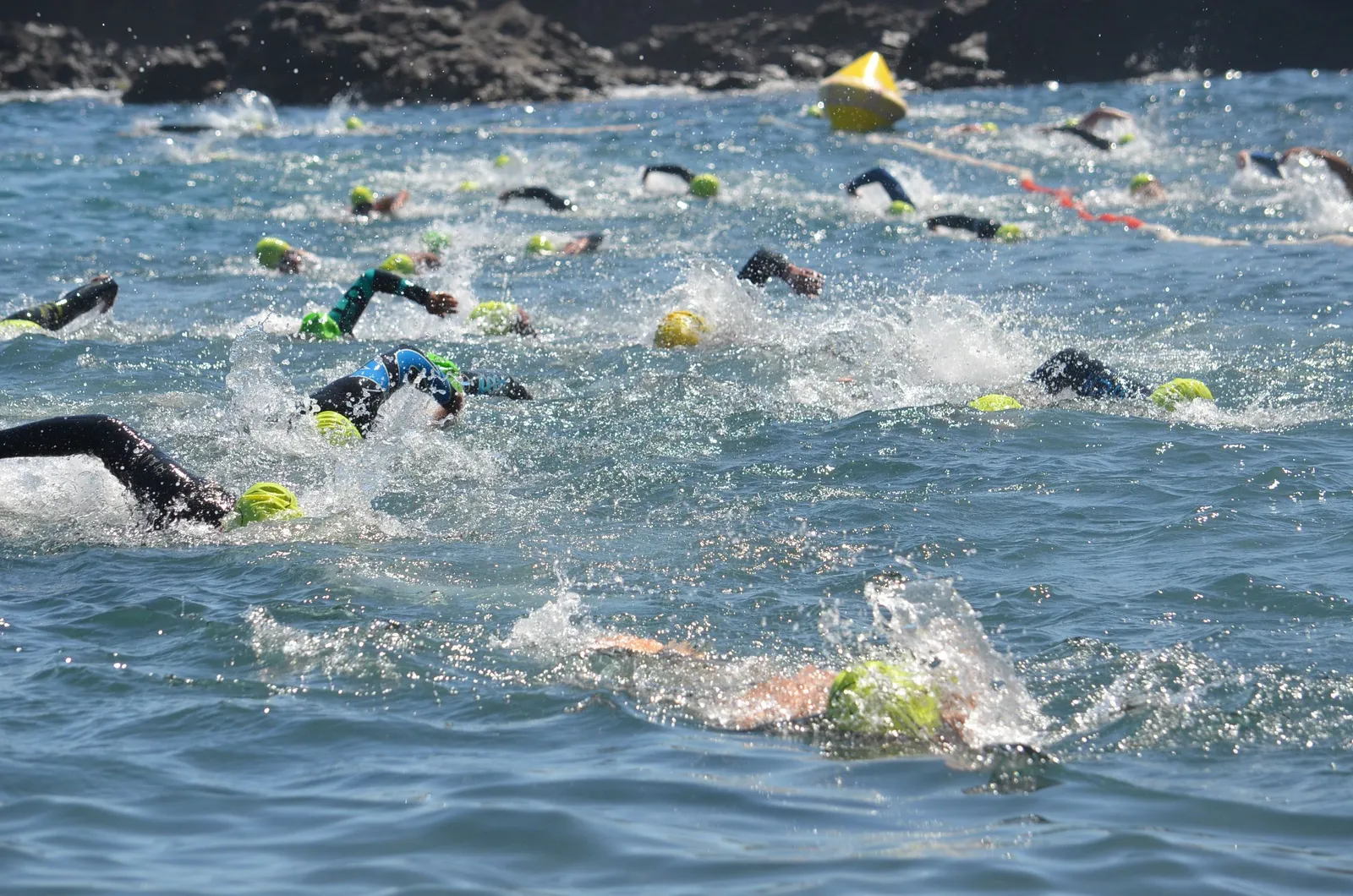 Photo by Gregorio Dorta Martin on Pexels
USA Triathlon's Clydesdale and Athena Racers Get Their Own Start Wave
At August's Milwaukee nationals, triathletes in the 220-plus and 165-plus-pound divisions left the line as their own start wave.
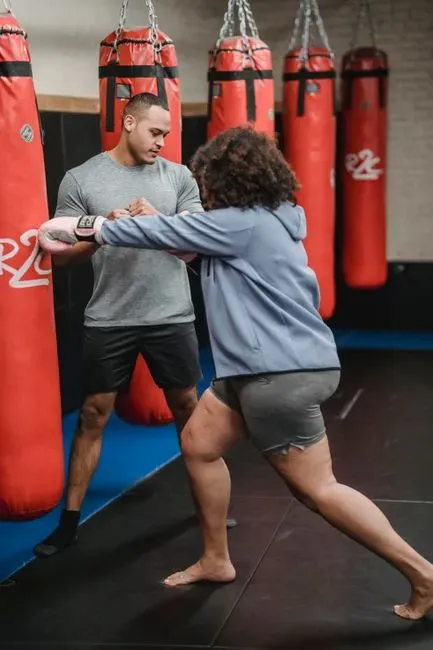 Photo by Julia Larson on Pexels
Built from the Ground Up: The Gyms and Gear Actually Designed for Bigger Bodies
A Portland gym rates its equipment to 500 pounds. An activewear brand fit-tests every piece through size 42. Real design, not a resized afterthought.
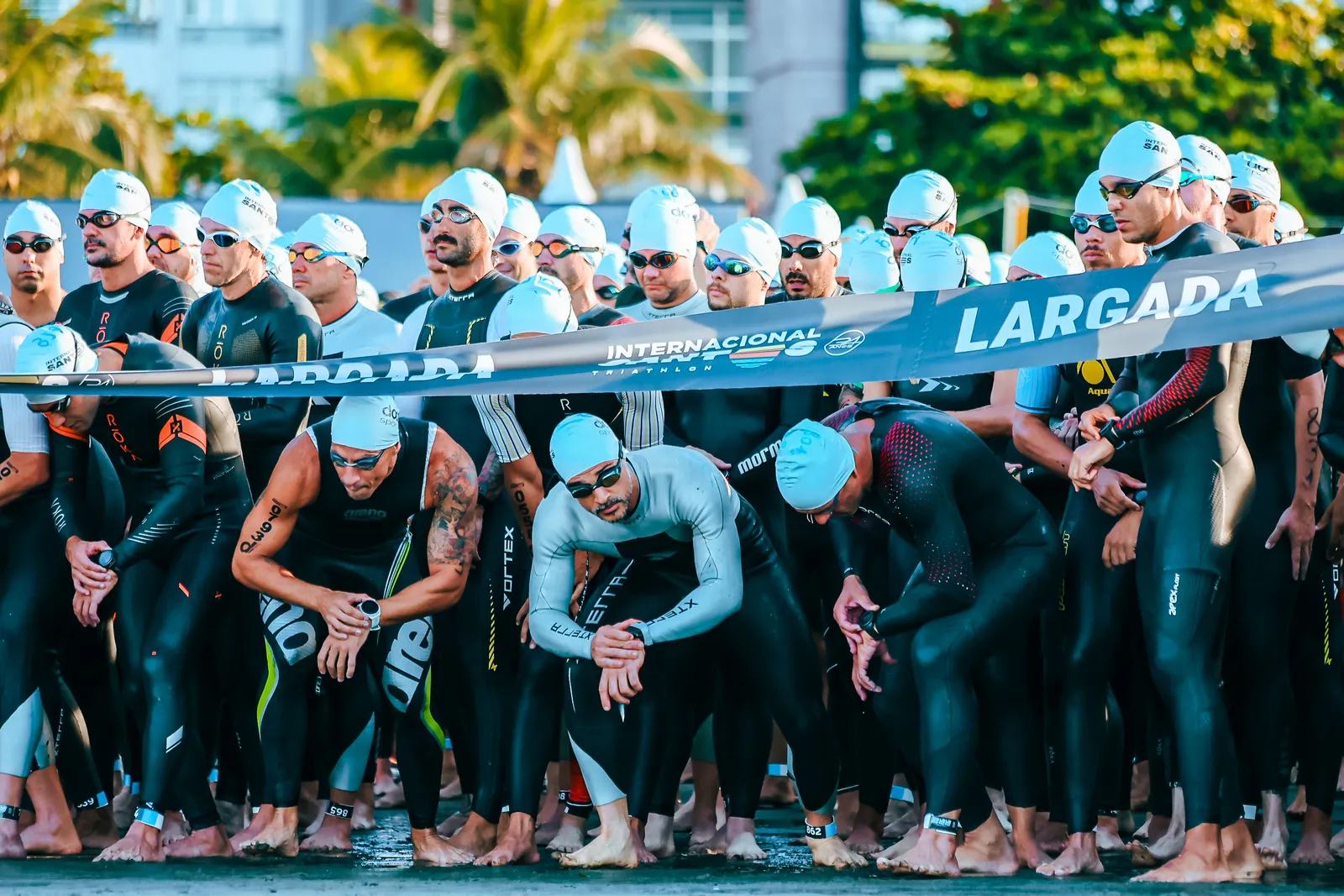 Photo by Lucas Borges on Pexels
Every Clydesdale and Athena Title: The Milwaukee Nationals Results
Phillip Young won Clydesdale overall in all three Milwaukee races, August 7–9. The divisions' separate start wave ran in two of the three — and wasn't a first.