
The Research on Mixed-Weight Couples Is Mostly About Everybody Else
Asked to advise a couple where one partner is larger, people recommended less public dates, less physical affection, and delaying introductions to family.
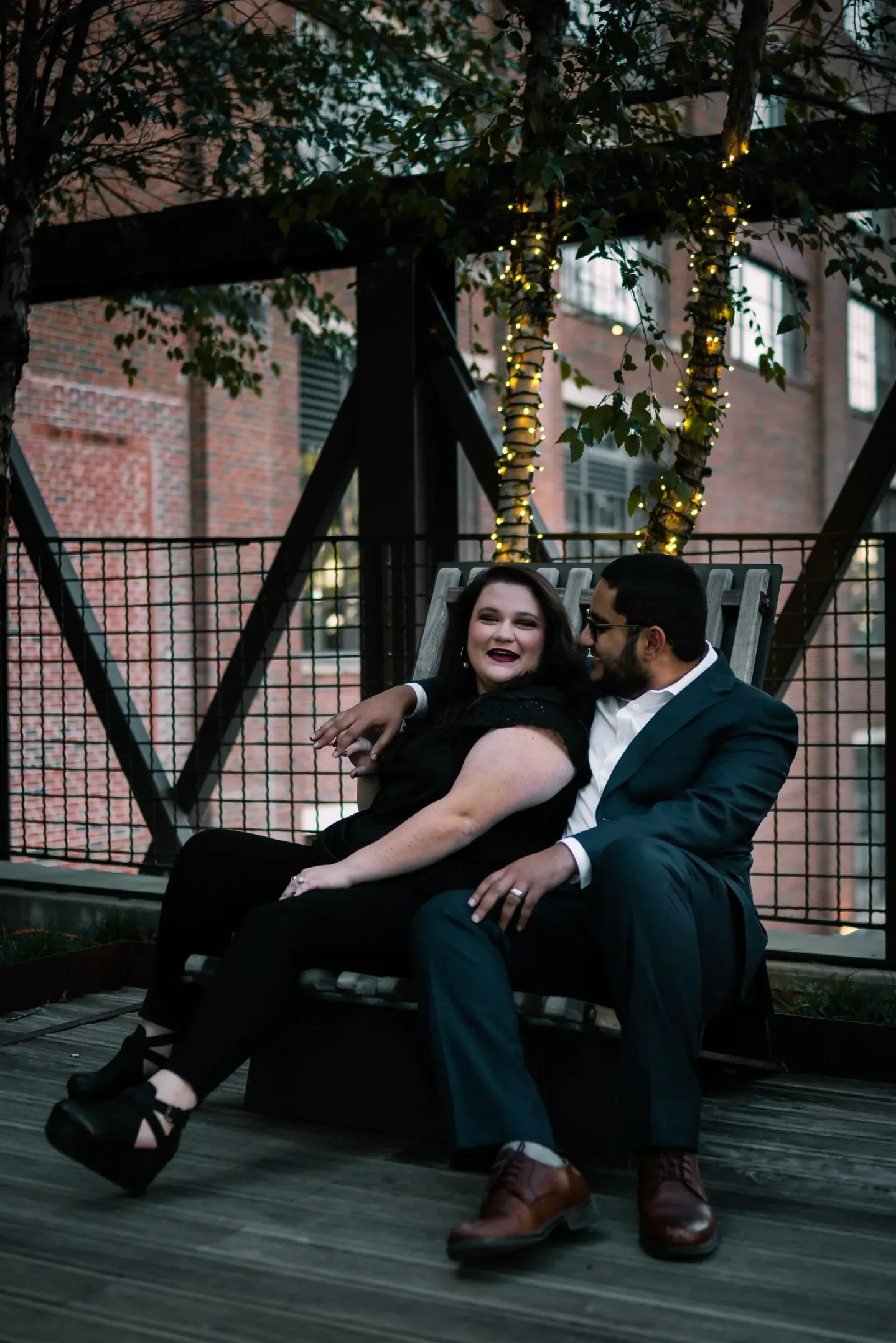
Photo by Juan Vargas on PexelsThe conversation about fat women and dating is almost always a conversation about desire — who is attracted to whom, who will admit it, what that says about the person admitting it. It is an endless argument and it produces very little, partly because attraction is difficult to study honestly and mostly because everyone involved already knows what they think. The research that does exist points somewhere else entirely, and the place it points is more interesting: not at the people in the relationship, but at the people watching it.
Three studies, one finding

In 2017, Brian Collisson, Jennifer L. Howell, David Rusbasan and Emily Rosenfeld published "Date someone your own size" in the Journal of Social and Personal Relationships, across three studies of prejudice toward mixed-weight couples. In the first, participants rated mixed-weight couples less favourably than couples whose partners were of similar size. In the second, participants were put in the position of matchmaker and sorted people into pairs by body size, treating a size-matched couple as the better match.
The third is the one worth sitting with. Asked to advise people dating a partner of a different size, participants recommended less active, less public and less expensive dates. They recommended less physical affection. And they recommended delaying introductions to close friends and family.
Read that as a set of instructions rather than a set of opinions, because that is what it is. Every one of those recommendations reduces the couple's visibility. Not the relationship's happiness, not its compatibility, not anything internal to it — its visibility. What participants advised, when asked how such a couple should conduct itself, was that it should be seen less.
What this establishes, and what it doesn't
These are laboratory studies of judgments, not observations of relationships. Participants rated scenarios and advised hypothetical couples; nobody followed real people through a real year of dating. So the finding is precisely about what onlookers think and recommend, and it cannot tell you how mixed-weight couples actually date, how they feel about it, or whether any of this advice is ever taken. That is a real limit and it is worth stating plainly rather than letting the studies stand in for lived experience.
The broader literature runs in the same direction. A 2020 review in Current Obesity Reports of weight-based stigmatisation in romantic relationships reports that people at higher weights — women particularly — are disadvantaged in forming romantic relationships, and that weight criticism from a partner tracks with body dissatisfaction, relationship and sexual dissatisfaction, and disordered eating. I was not able to read that review directly; it is paywalled, and what is described here comes from consistent secondary accounts of it rather than from the paper.
Why it matters that it's the audience
Because the popular version of this conversation locates the problem inside attraction, and the evidence locates it in the audience — and those two point at completely different things. If the problem is desire, the questions that follow are about who wants whom, which is unanswerable and slightly degrading to ask. If the problem is spectatorship, the questions are about who is watching, what they think they are entitled to assess, and why a couple's own business became a matter for public grading in the first place. Nothing in these studies says anything about wanting. They say a great deal about being looked at.
Related Stories
 Photo by RDNE Stock project on Pexels
"Ozempic Divorce" Is a Real Phrase. The Divorce Data Behind It Isn't About Ozempic.
Two peer-reviewed cohorts show bariatric-surgery patients divorce and pair up more than average. No peer-reviewed study has measured GLP-1 drugs the same way.
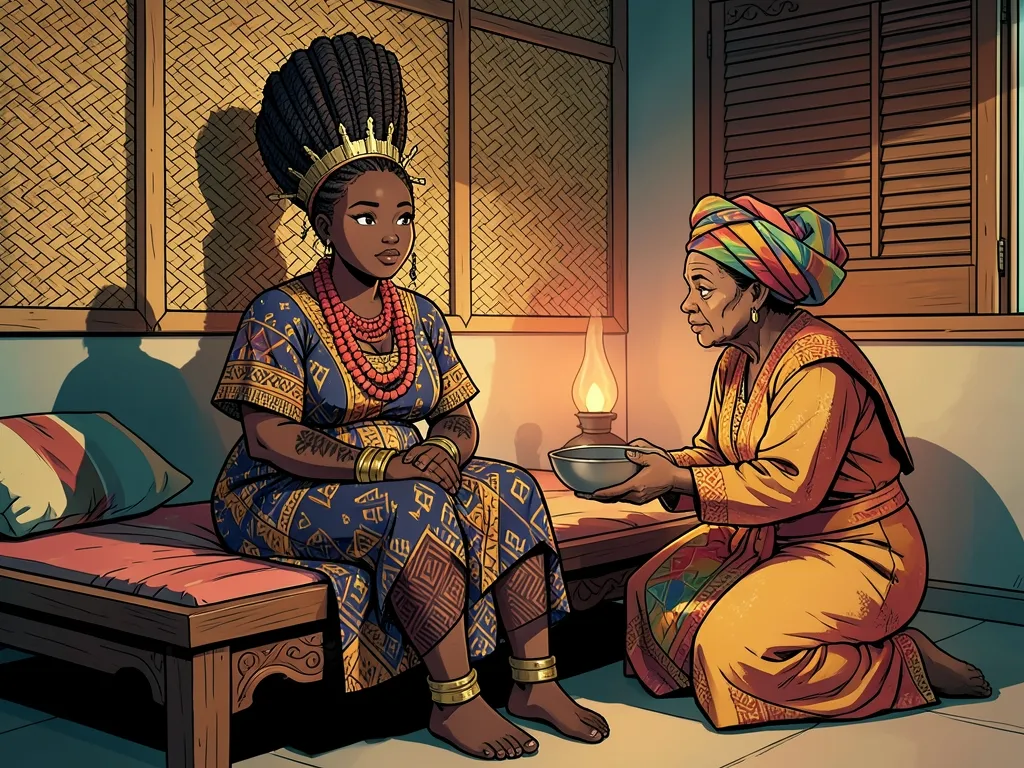
The West African Kingdom Where Brides Were Fed Like Royalty
In the Kingdom of Calabar, elite families fed and secluded their daughters for months before marriage — a fuller body wasn't an accident. It was the point.
 Photo courtesy of Yvonne
Before Forty, Yvonne Wanted Her Health in Order — Confidence Came With It
She changed her relationship with food, started therapy, and found a confidence she calls 'through the roof.'