
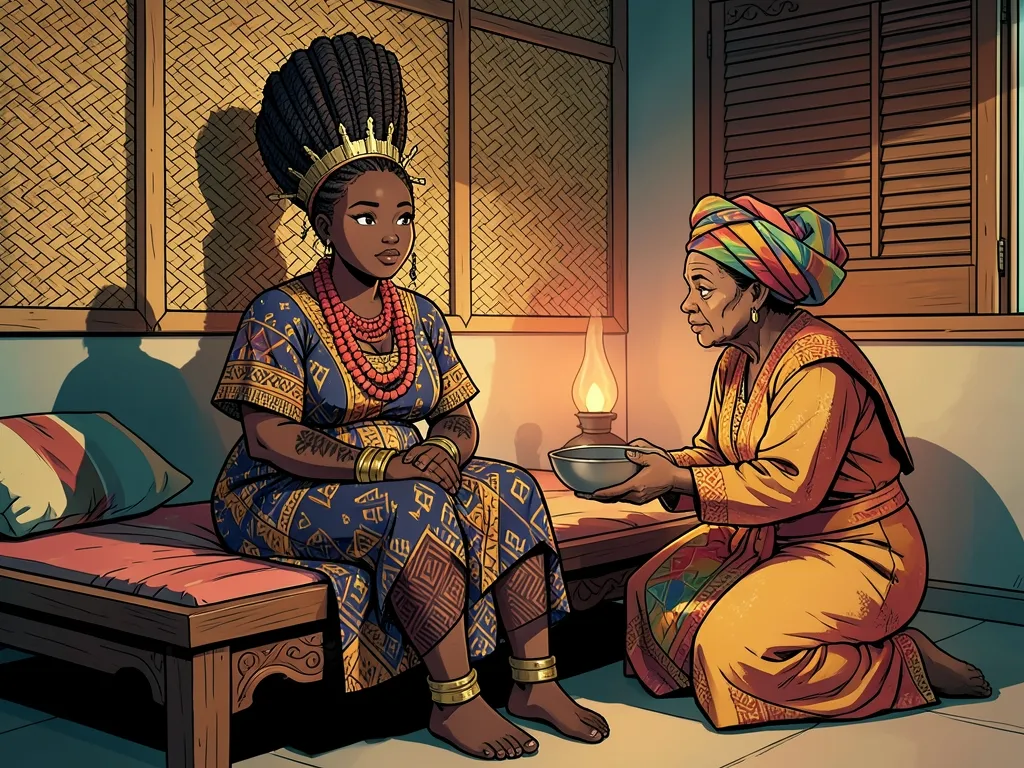
The West African Kingdom Where Brides Were Fed Like Royalty
In the Kingdom of Calabar, elite families fed and secluded their daughters for months before marriage — a fuller body wasn't an accident. It was the point.

Did you know one of history's clearest links between fullness and status wasn't just accepted, it was actually engineered? In the old Kingdom of Calabar — a wealthy West African city-state built by the Efik people along Nigeria's Cross River, at its most powerful between the 17th and 19th centuries — a bride's body wasn't left to chance. Elite families sent their daughters into seclusion, fed richly and deliberately, specifically so they'd emerge fuller. The tradition has a name that's survived into the present: the fattening room, or Nkuho.
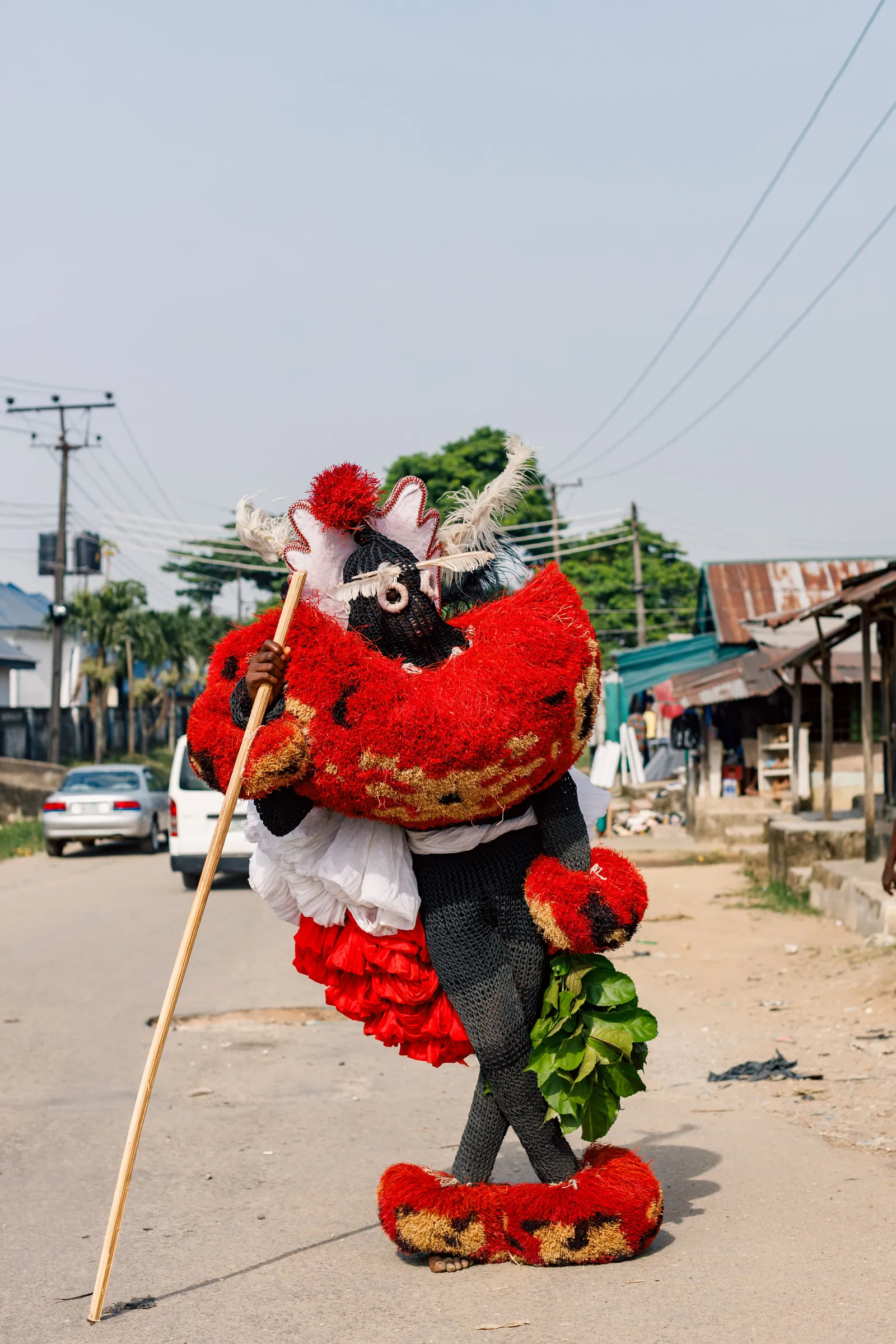
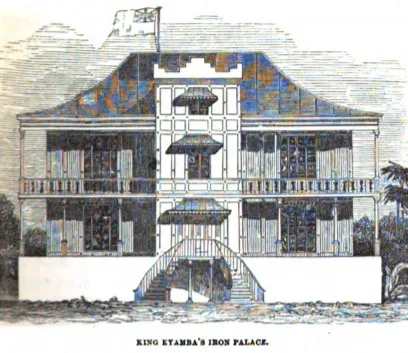
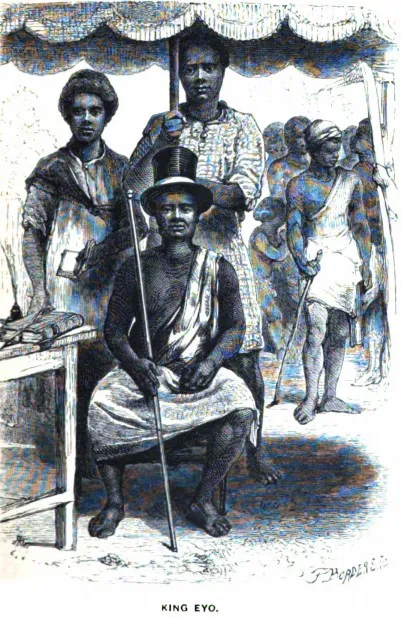
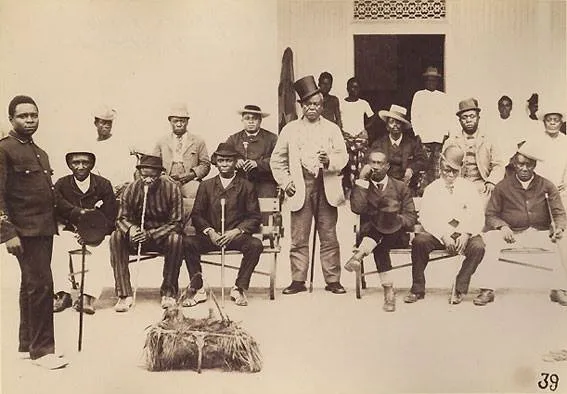
Calabar wasn't a minor village. At its height it was one of West Africa's most significant trading powers, run by a handful of dynastic merchant families with names like Duke, Cobham, Henshaw, and Eyamba, each controlling access to the European ships anchored offshore. The paramount ruler, the Obong of Calabar, sat atop that system, alongside a parallel institution called the Ekpe society that handled law and order. Worth naming plainly, not glossing over: Calabar's wealth through the 18th century came substantially from its role as a hub in the transatlantic slave trade, before its merchant houses pivoted to the palm oil trade after Britain outlawed the trade in 1807.
Fed, not starved, into marriage
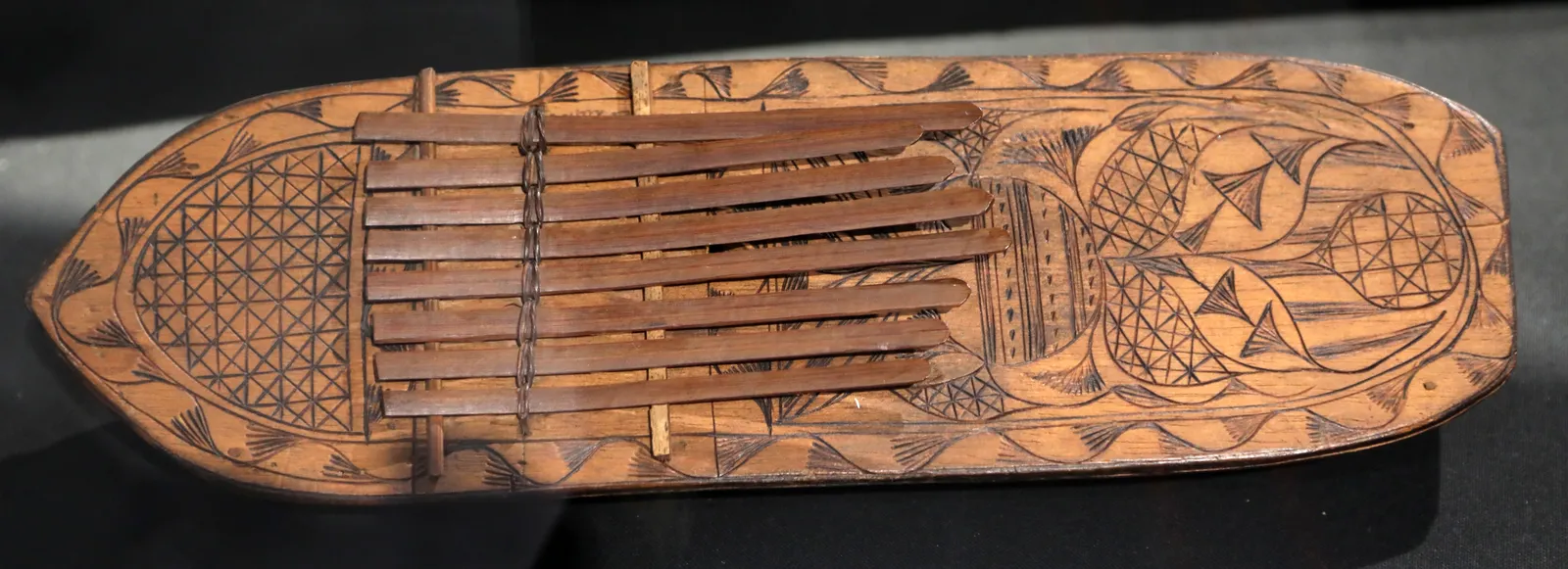
Inside the fattening room itself, the process was deliberate, ritualized, and, by the standards of the time, expensive. A father wanting his daughter to go through it first paid for coral beads, known as Eme, to honor Nku, the Efik river goddess associated with the tradition. His daughter was then secluded — accounts differ on exactly how long, ranging from several weeks in some sources to, in older historical accounts, considerably longer for the wealthiest families — and fed rich, calorie-dense meals meant to visibly change her body before she was presented to the community as ready for marriage. She also received training in domestic skills, dance, and song during that time. The point was never hidden or explained away. A fuller body, arrived at this deliberately, read directly as evidence her family could afford to feed her well.


The men of Calabar were reportedly just as direct about it. In a 2007 BBC interview widely cited in later Nigerian press coverage, an Efik man identified as Prince Edem is reported to have said, in substance, that a wife who hadn't gone through the fattening room wasn't considered marriageable, and that being seen with a slim wife would make people assume he couldn't afford to feed her properly. We're reporting that as attributed by secondary sources, not as a verified direct quote — we weren't able to track down the original BBC recording or transcript ourselves.
The Englishwoman who watched them come out
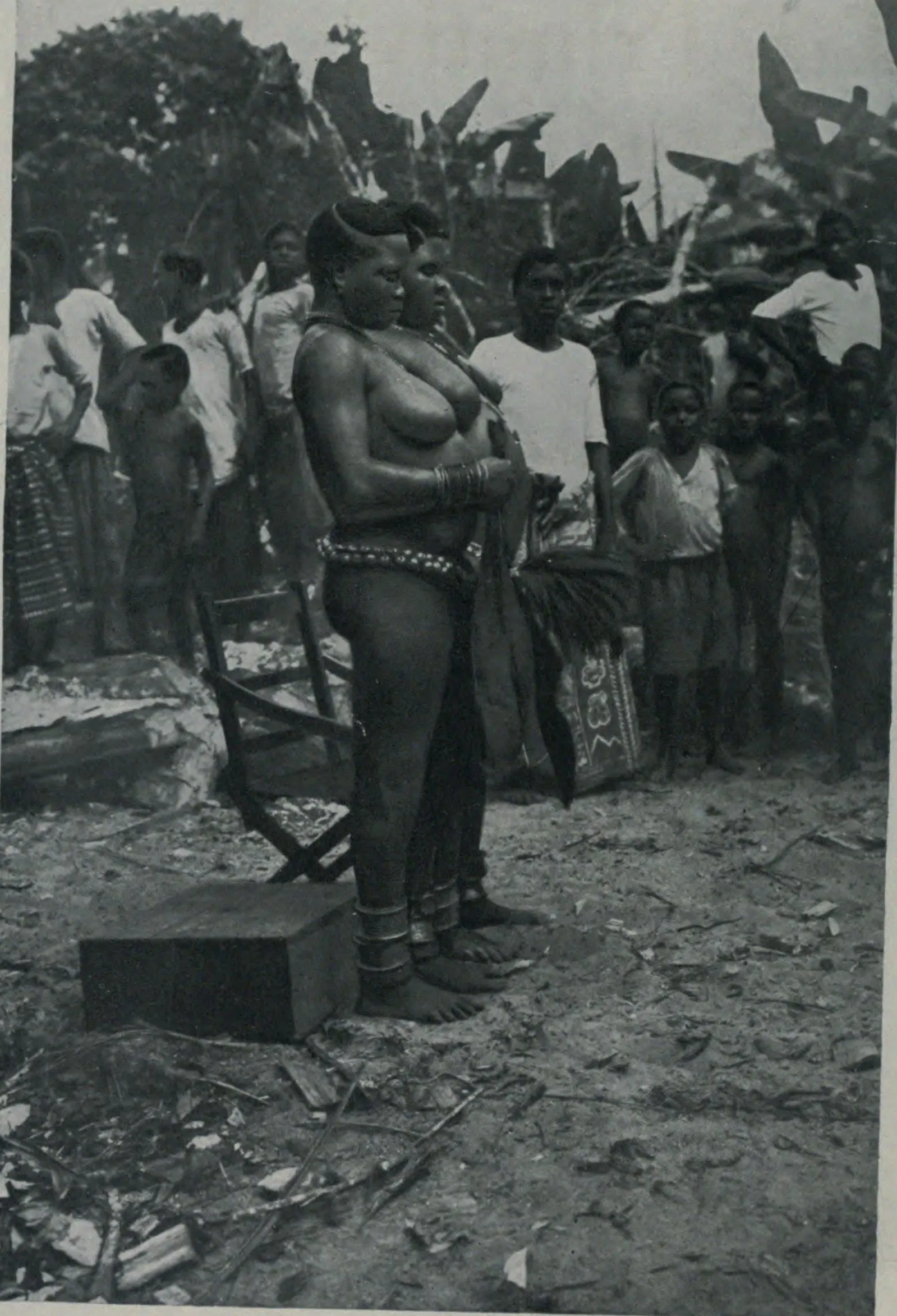
The fullest surviving eyewitness account of what happened at the end of seclusion was written by someone who found it repellent. D. Amaury Talbot — Dorothy Amaury Talbot, who travelled through Ibibio country with her husband, a British colonial officer, and reached women's spaces closed to the male ethnographers of her day — published "Woman's Mysteries of a Primitive People" in 1915, with forty-four plates from her own photographs. She was present more than once on the day a town's girls came out of the fattening house, and the pictures on this page are hers — the women she is describing, photographed by the woman describing them.
“…strutted through the market-place enjoying their brief hour of importance; while the men, who at every other period of a woman's existence are looked upon as of superior race, draw back admiringly, to give them passage.”
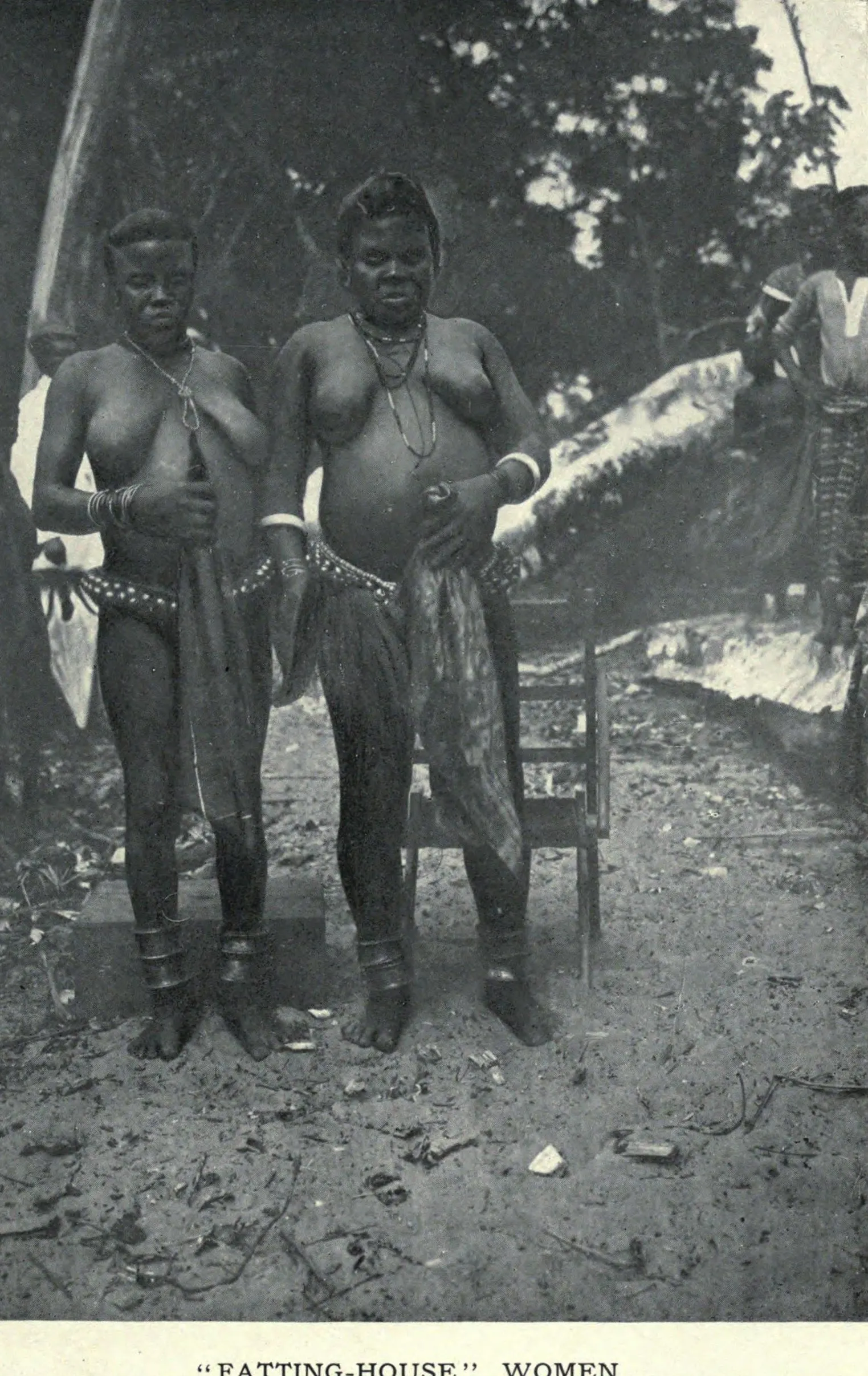
In the same passage she calls them "perfect mountains of flesh" and "swollen specimens of femininity," and concludes that "only an overweening vanity and bloated self-importance are now manifested." She did not think she was recording a beauty standard being honored. She thought she was recording a lapse in manners.
The most useful line is the one where she gives herself away. The charm of these women, she wrote, had temporarily disappeared — "at least in the eyes of white people." She names the standard she is measuring by in the same breath as the verdict. Two people can watch an identical scene — women fed, adorned, and deferred to by men who outranked them every other day of the year — and only one of them files it as vanity.
Her disdain is also, inconveniently for her, evidence. Talbot had no interest in recording a triumph and recorded one anyway: the men drew back. That detail survives her opinion of it, which is why the passage is still worth reading a century later.
The tradition is fading. Health researchers have raised concerns about the rapid weight gain it's designed to produce, and younger Efik families increasingly skip it or shorten it dramatically. But for centuries, in one of the wealthiest kingdoms on West Africa's coast, a fuller body wasn't just tolerated on a bride. It was the entire point of the ritual — paid for, celebrated, and worn afterward as proof of exactly how well she'd been cared for.
A standard, not a reaction
Talbot's disgust was not personal taste, and there is a body of scholarship arguing it was never meant to be. In "Fearing the Black Body: The Racial Origins of Fat Phobia" (NYU Press, 2019), the sociologist Sabrina Strings traces the slender ideal back to the Enlightenment and argues it was racialized from the start: fatness, once praised in European art and medical writing, was recoded across the eighteenth century as a marker of savagery and racial inferiority, and the denigration of the fat Black body became the mechanism by which the slender white body was elevated. Medical opposition to fatness, Strings argues, arrived long after that cultural verdict was already settled. The book won the American Sociological Association's 2020 Body and Embodiment best publication award. On that reading, a British officer's wife recoiling in a Calabar market in 1915 was not reacting to anything. She was applying something.
The standard she carried never became the only one. In a 2010 study in the journal Body Image, researchers surveyed 4,023 American women aged 25 to 45 through national quota sampling and asked each to select silhouettes representing her current and her preferred body size. African American women preferred larger silhouettes than white women even after the researchers controlled for body mass index, and the gap between current and preferred figures — the study's measure of body dissatisfaction — was smaller among them.
Qualitative work finds the same expectation stated out loud. Elizabeth Hughes' 2021 study in the Journal of Black Studies takes its title from a phrase her participants used about themselves — "I'm supposed to be thick" — in documenting how Black American women negotiate an expectation of fullness rather than an expectation of thinness. Kamille Gentles-Peart's "Romance with Voluptuousness" (University of Nebraska Press, 2016) follows Black Caribbean women in the United States holding onto a voluptuous ideal carried from home while living inside a culture organized around thinness.
What has shifted more recently is not the verdict so much as who is permitted to carry the shape. Alexandra Sastre's 2014 analysis in Celebrity Studies reads Kim Kardashian's body against that of Sarah Baartman, the Khoikhoi woman exhibited across Europe in the early nineteenth century as a curiosity, and argues that the same logic of spectacle runs through both. And a 2025 paper in the Journal of Eating Disorders proposes a "Black feminist model of body image" built specifically around racialized body dissatisfaction, on the grounds that the existing models were not built to account for it.
Which leaves the Calabar market about where it started. The women Talbot watched were not waiting to be found by a standard that turned up, delivered a verdict, and sailed home. They were already the standard, in the place where they were standing.
Shop the Saga Collection
Corpulent Queen Tee
A crown, and the word we put back under it. Corpulent Queen is the weekly feature — the most interesting woman in the room, printed on purp…
Thick History Graphic Tee
Every era that called itself golden made room for bodies like ours — this shirt just refuses to let anyone forget it. Garment-dyed heavywei…
Venus of Willendorf Graphic Tee
The oldest depiction of the human body that humanity ever bothered to keep is a fat woman — roughly 30,000 years of proof, and she was firs…
Related Stories
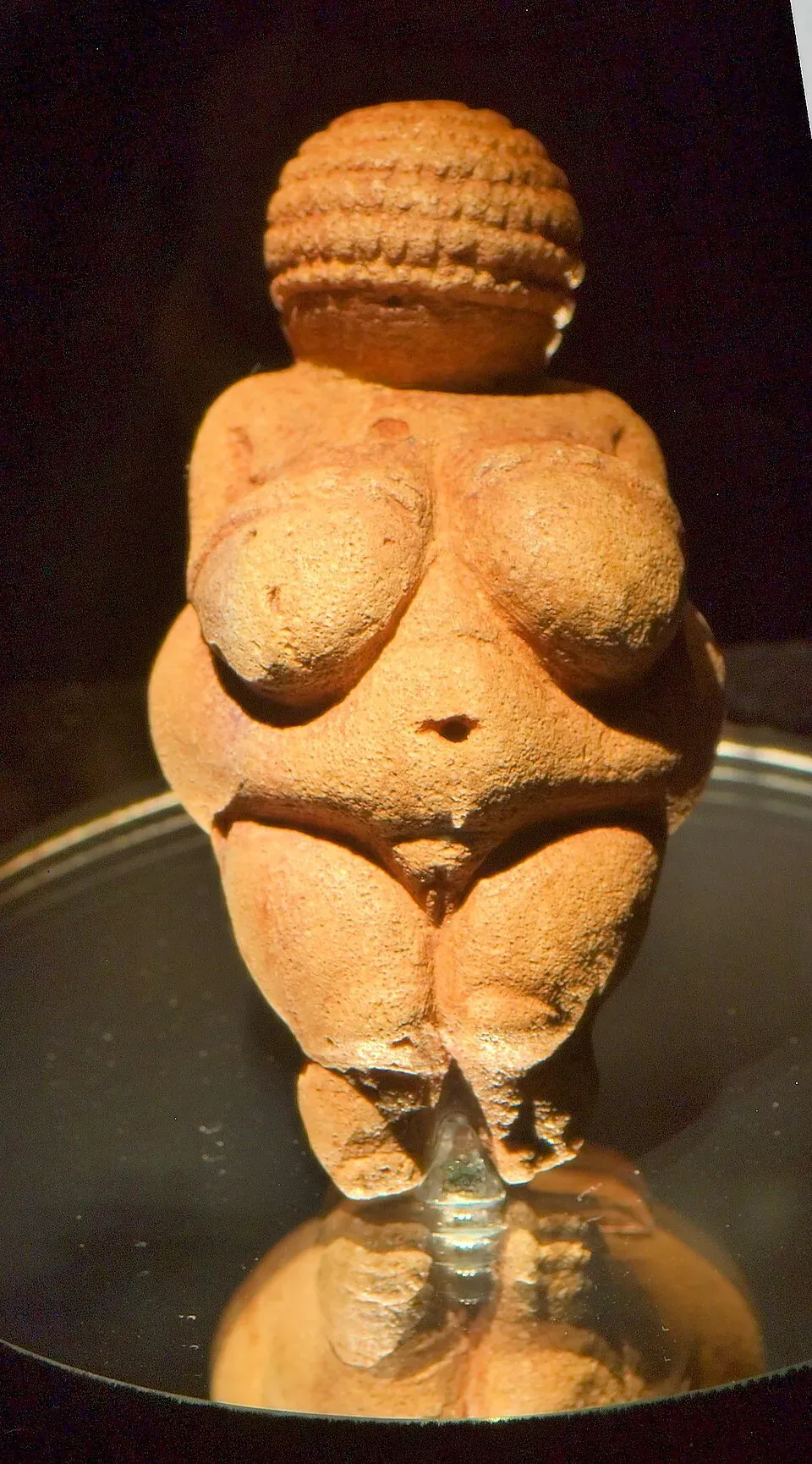 Historical image — Photo by MatthiasKabel, CC BY 2.5, via Wikimedia Commons
The First Woman Ever Carved Wasn't Thin
Forty thousand years before "body positivity," Ice Age carvers rendered the female body full and soft. Nobody agrees why — but nobody flattened her.
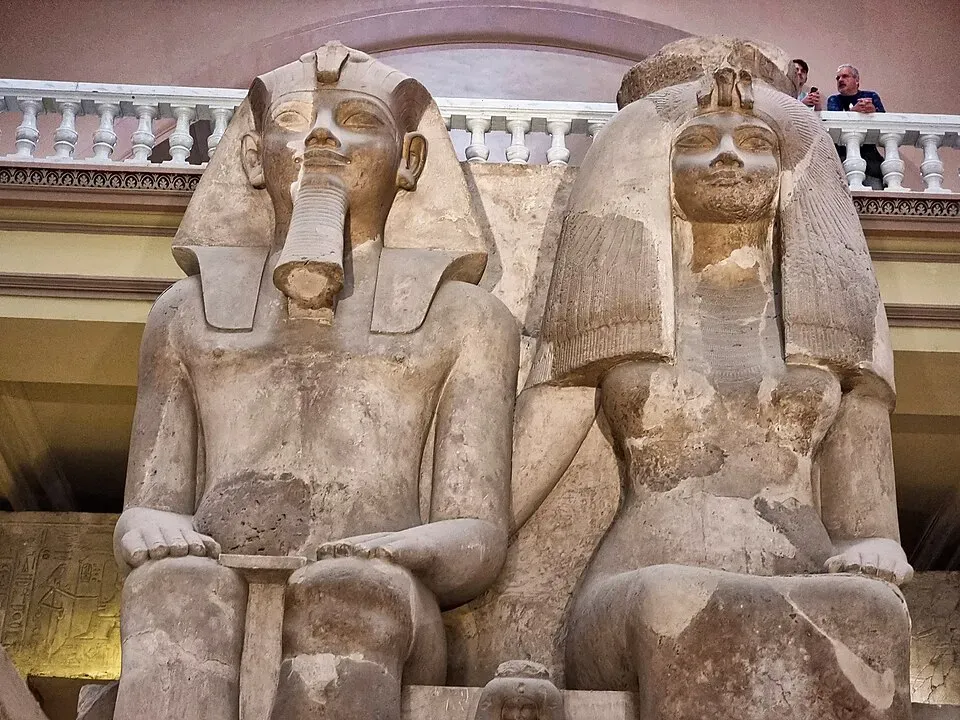 Historical image — Photo by Prof. Mortel, CC BY 2.0, via Wikimedia Commons
The Courts That Crowned Her
From the Nile to the Yangtze to the courts of West Africa, six empires didn't just accept a fuller figure — they built their idea of royalty around it. We restore the original narrative.
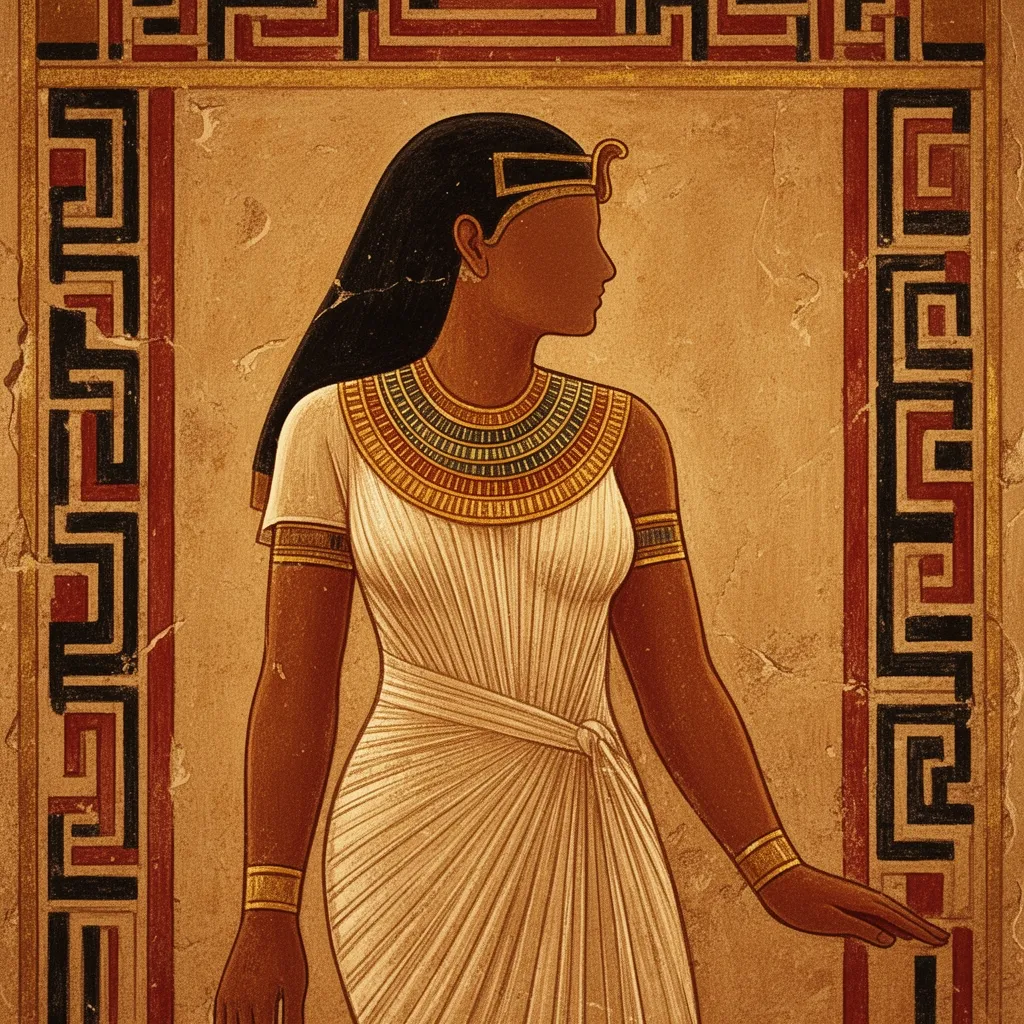
Ancient Egypt's Beauty Standard Looked Like Us
Late in Amenhotep III's reign, Egyptian art finally let its king and queen look like real, mature, fuller-bodied people instead of eternal, airbrushed youth.