
352 Pounds, 12th Overall: Inside the NFL Line's Rising Size Floor
Kadyn Proctor weighed in at 352 pounds and still went in the draft's first round. Draft-weight data going back to 1974 shows why nobody blinked.
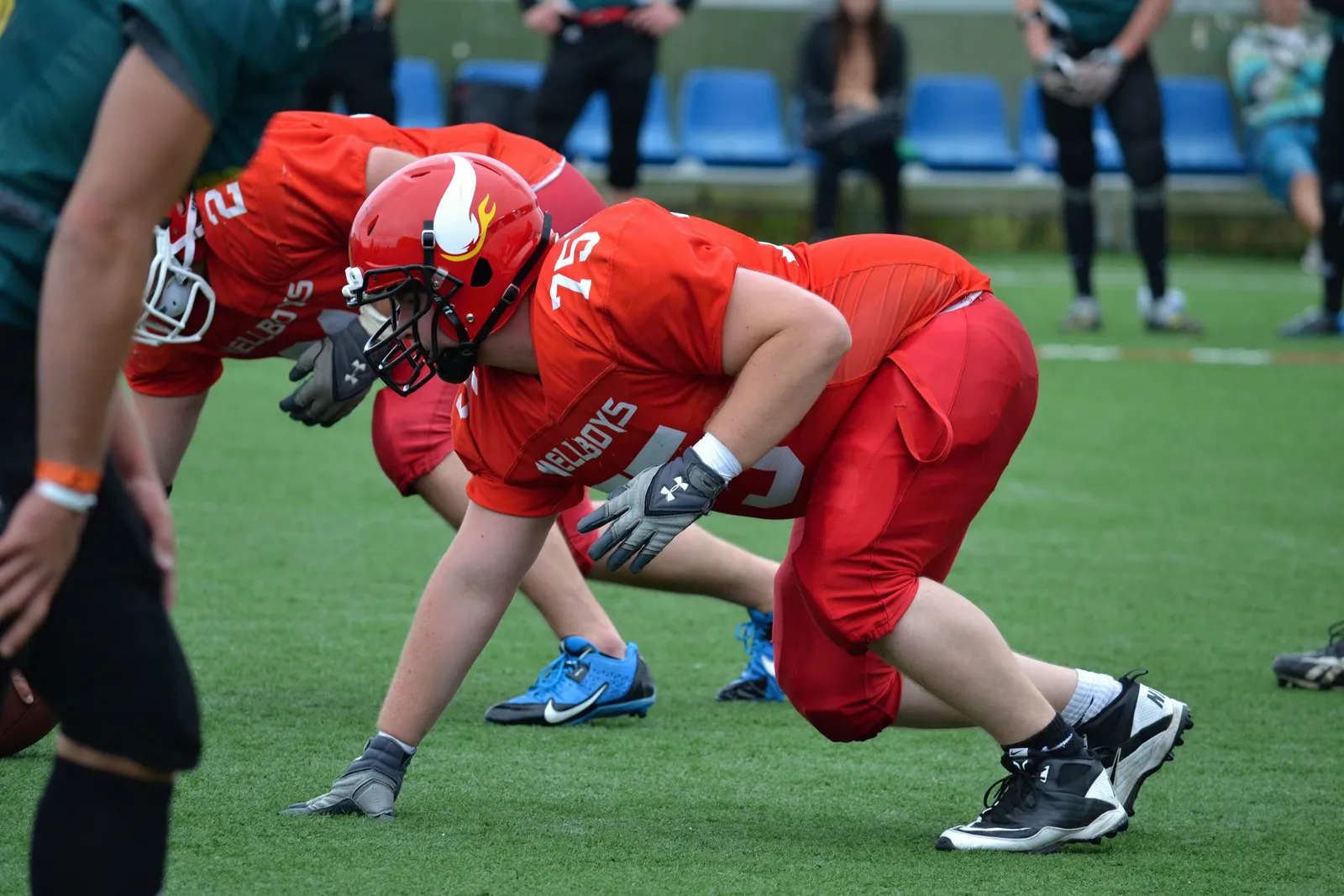
Photo by Pixabay on PexelsAt the 2026 NFL Scouting Combine in Indianapolis, Alabama offensive tackle Kadyn Proctor stepped onto the official scale at 352 pounds. Two months later, the Miami Dolphins made him the 12th overall pick in the NFL Draft. Nobody in that room treated the number as something to explain away. It was the scouting report: elite size, at the one position in American sport where that has always been the point.
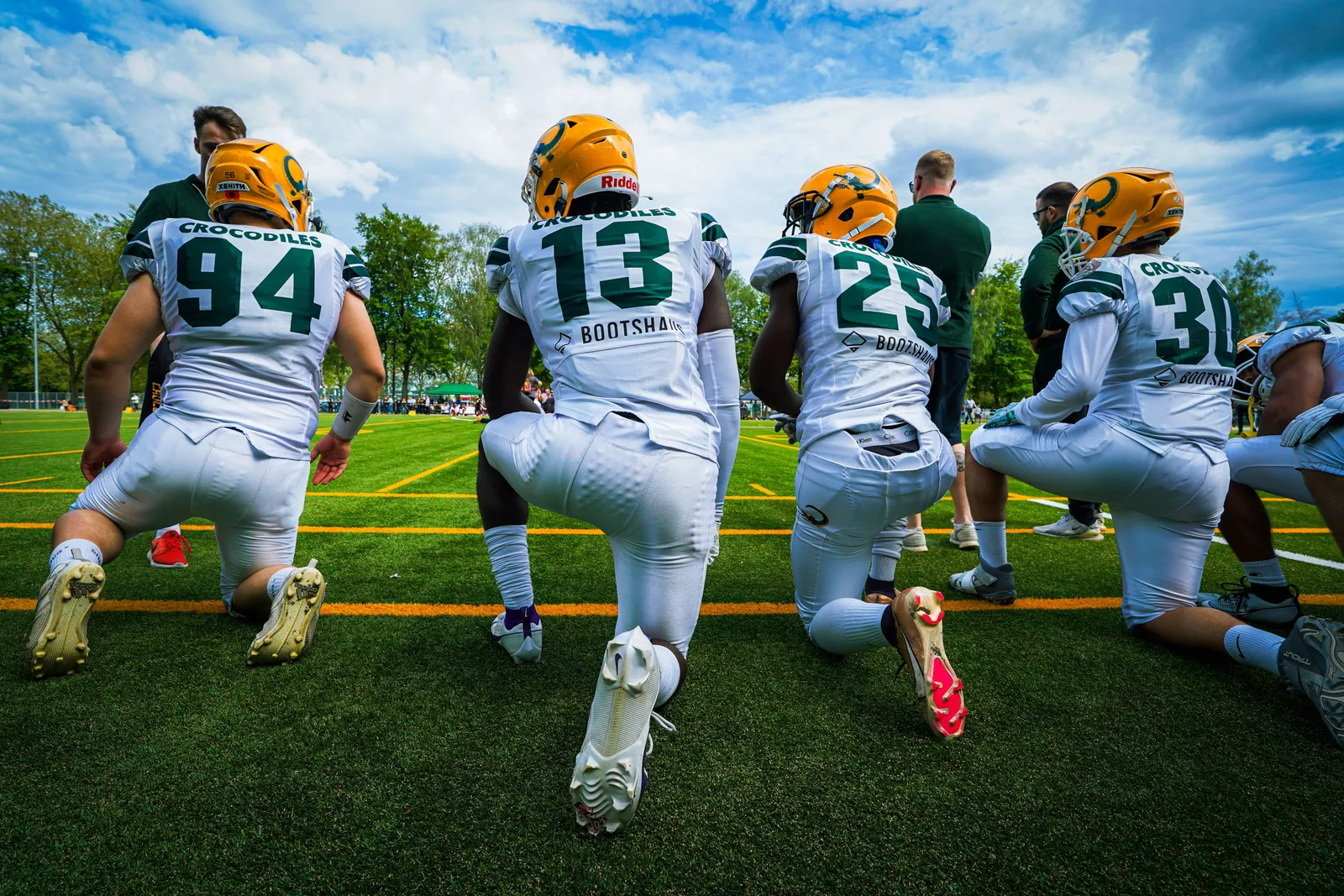
Proctor wasn't the outlier at his own combine. Miami tackle Markel Bell measured in at 346 pounds. Georgia guard Micah Morris and Miami guard Anez Cooper both came in at 334. On the defensive side, Cincinnati's Dontay Corleone weighed 340 pounds, Ole Miss's Zxavian Harris weighed 330, and Florida's Caleb Banks weighed 327. Across the two line groups measured that week, roughly a dozen prospects checked in above 320 pounds — a mark barely any offensive lineman carried at all in the 1970s, when the position's drafted average was still in the 250s.
Fifty Years of a Moving Floor
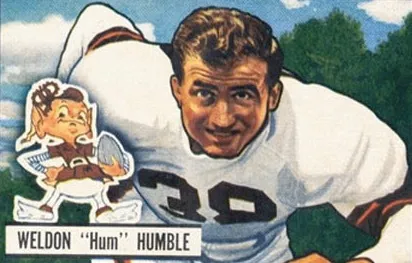
The trajectory is documented, if not evenly paced. The 34 offensive linemen drafted in 1974 weighed 255 pounds on average, according to an analysis of decades of NFL draft-class weight data by Reddit user "abresler," reported by Deadspin. By 1999, the 34 offensive linemen drafted that year averaged 317 pounds — a 62-pound, 24 percent jump in one generation. Defensive linemen gained about 34 pounds over the same stretch.
Growth then largely stopped. NFL.com roster data compiled by the strength-training site Horton Barbell puts the average NFL offensive lineman at 314.94 pounds across the 2023-24 season, drawn from 293 active players — functionally the same average the position had already reached 25 years earlier. What has kept moving since is the top of the range, not the middle. Washington's "Hogs," the offensive line that anchored three Super Bowl-winning teams, started guard Russ Grimm at a listed 273 pounds in the early 1980s — a number that would make him one of the lighter linemen at this year's combine, not one of the heavier ones. Proctor's own Alabama roster listing ran as high as 366 to 370 pounds during his college career; he brought it down to 352 for the scouts. Both figures describe a starting-caliber NFL tackle. Only one of them would raise an eyebrow in the other's decade.
“I'm in the 350s. Anything under 355 right now, that feels really good to me.”
That's a football conversation, not a health one — a scheme fit, discussed the way a team might ask a receiver to add strength or a corner to add speed. Nobody at the combine asked Proctor to explain his size; they asked him to calibrate it. It's the same conversation the offensive and defensive line have had for as long as the NFL has kept measurements: a 300-plus-pound body isn't a caveat on a scouting report, it's the report, and the culture built around this sport has never needed to be talked into admiring it.
Shop the Athlos Collection
Heavyweight Class Tee
No lightweights. An athletics-department tee for a body that takes up space and doesn't answer to anybody about it — heavyweight is a class…
Thundering Chickadees Football Tee
Light, soft, and built for everyday confidence — this casual jersey tee carries a playful vintage-athletic vibe. A small, hand-drawn mascot…
BBW University Tee
Light, soft, and built for everyday confidence — this casual jersey tee carries a playful vintage-athletic vibe. A small, hand-drawn mascot…
Related Stories
 Photo by Gregorio Dorta Martin on Pexels
USA Triathlon's Clydesdale and Athena Racers Get Their Own Start Wave
At August's Milwaukee nationals, triathletes in the 220-plus and 165-plus-pound divisions left the line as their own start wave.
 Photo by Julia Larson on Pexels
Built from the Ground Up: The Gyms and Gear Actually Designed for Bigger Bodies
A Portland gym rates its equipment to 500 pounds. An activewear brand fit-tests every piece through size 42. Real design, not a resized afterthought.
 Photo by Lucas Borges on Pexels
Every Clydesdale and Athena Title: The Milwaukee Nationals Results
Phillip Young won Clydesdale overall in all three Milwaukee races, August 7–9. The divisions' separate start wave ran in two of the three — and wasn't a first.