
Ohio State-Texas: The Spread Never Left -1.5. The Total Climbed Two Points.
Bad injury news hit both teams Friday. The spread barely moved. The total did — and that's where the sharp money went.
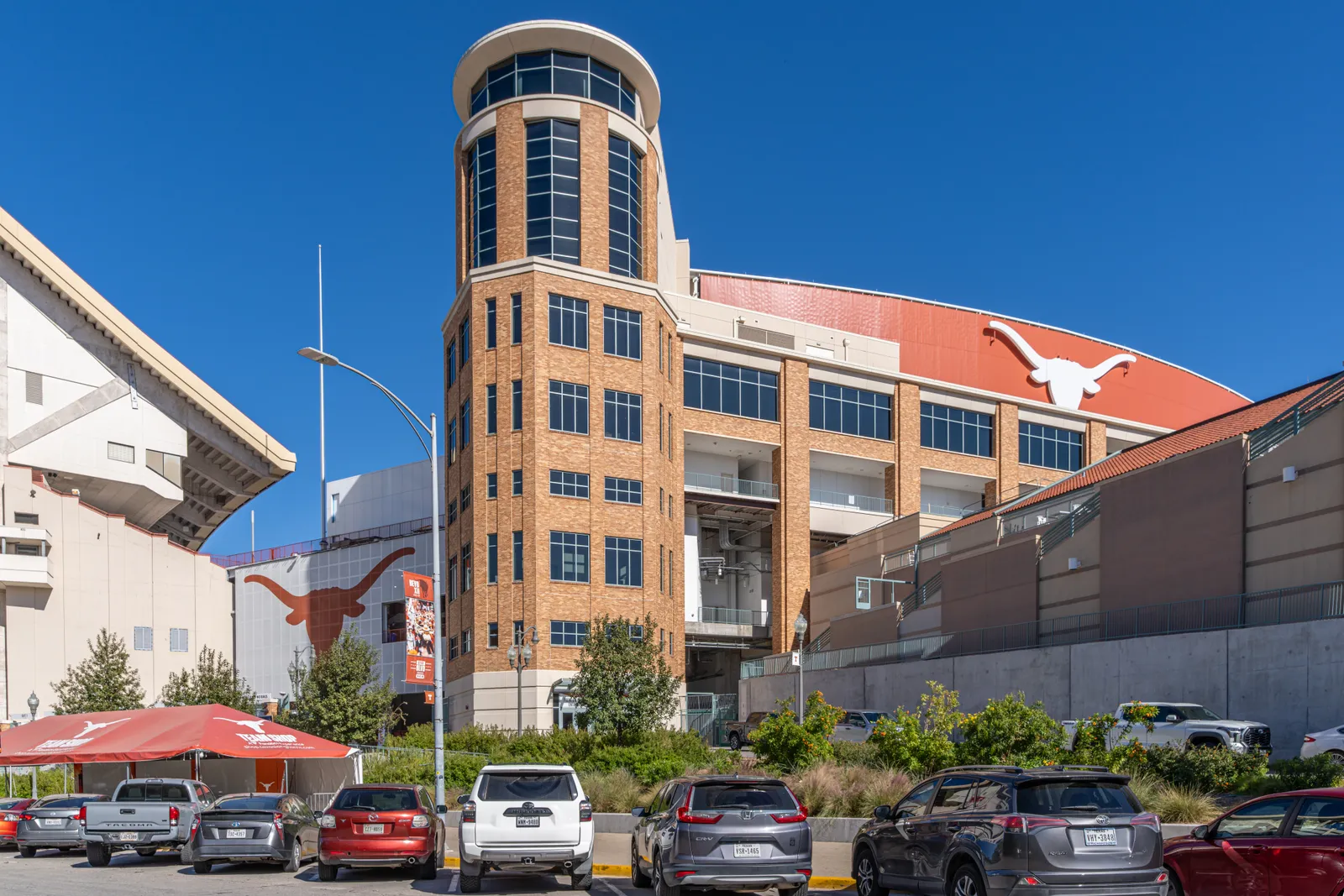
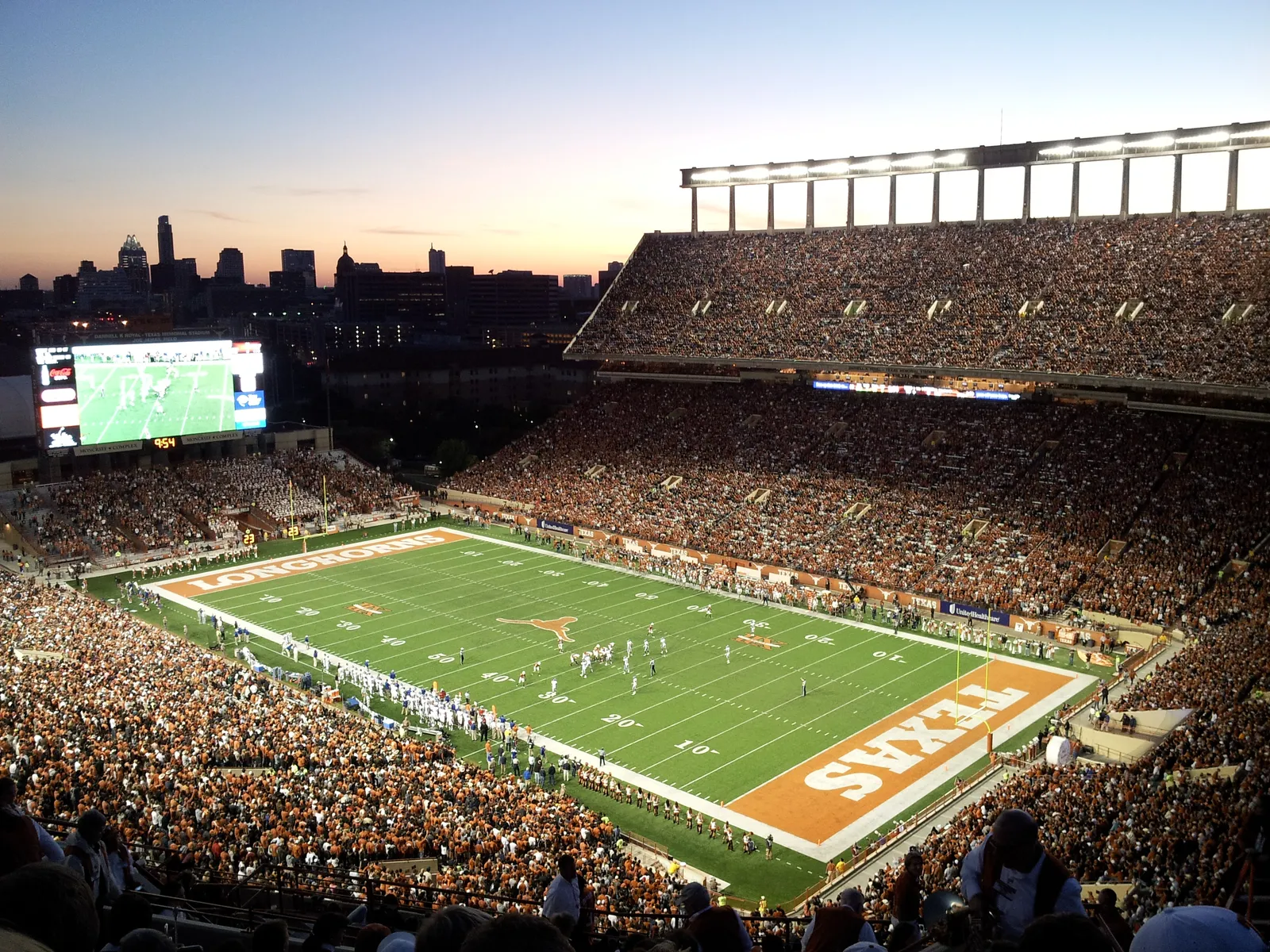
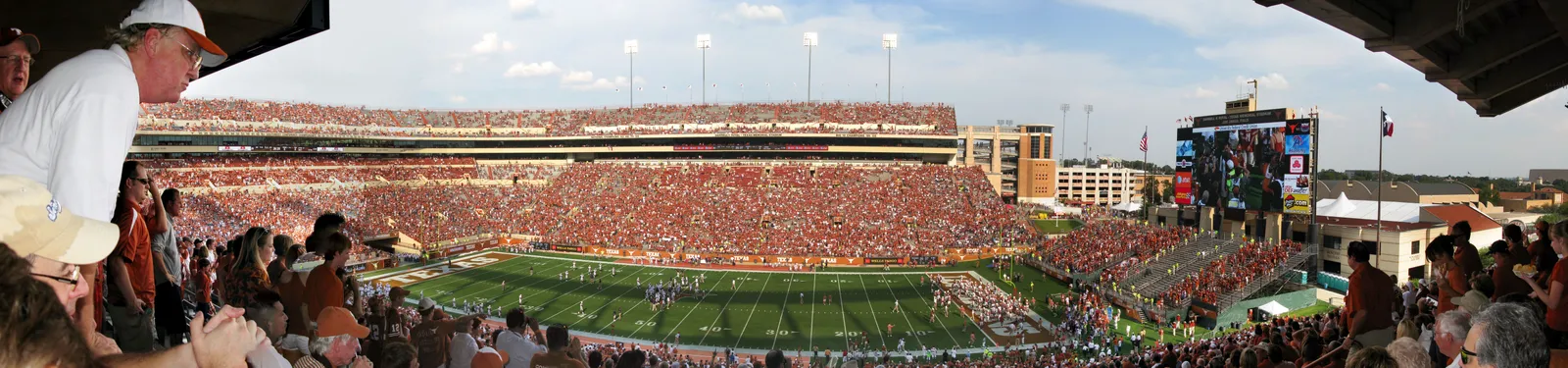
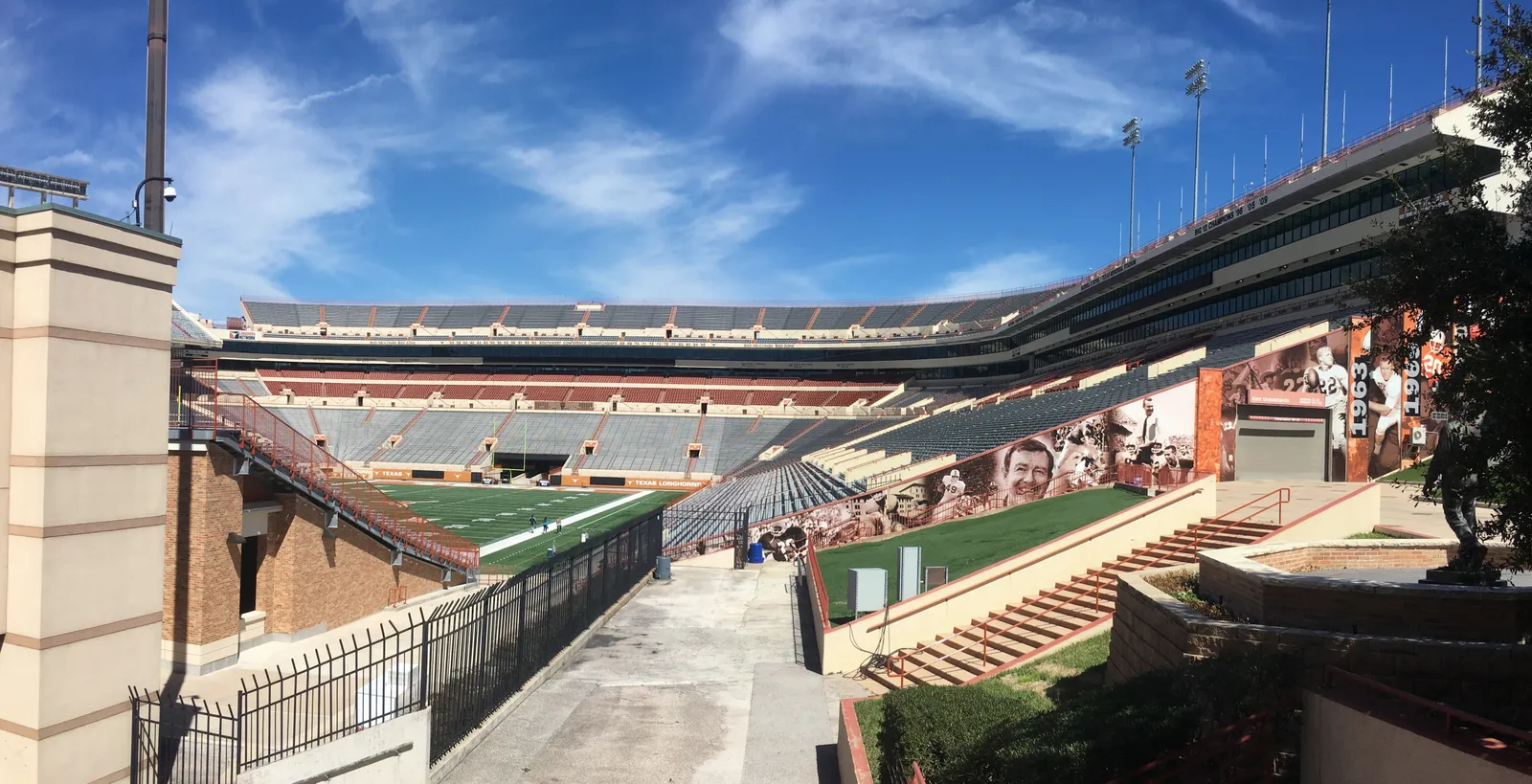
Photo by ajay_suresh, CC BY 4.0, via OpenverseNo. 1 Ohio State plays at No. 4 Texas tonight (Saturday, September 12) in Austin, kickoff 6:30 p.m. Central — the third meeting between these two programs in three seasons, with ESPN's College GameDay parked in town for the occasion. In the day before kickoff, the market absorbed real bad news for both rosters: Texas running back Derrek Cooper is out, and Ohio State wide receiver Kyle Parker is out for a second straight game, per AtoZ Sports. Two separate injuries, two fan bases each with something to be upset about — and one number that has barely moved since either story broke. As of Saturday morning, Texas is a 1.5-point favorite at FanDuel (-112, with Ohio State +1.5 at -108) — the same -1.5 that VegasInsider's cross-book consensus tracker shows — and college-football betting outlet Bettors Insider reported in its Thursday coverage that the spread had "held firm at -1.5 all week." Whatever this week's injury reporting did to either fan base's mood, it didn't move the number a full point in either direction.
Why a Balanced Book Can Absorb Two Injuries and Not Blink
A sportsbook's spread isn't a prediction of who wins. It's the number that attracts roughly equal money to both sides so the book collects its vig no matter the outcome — the house's job is a balanced book, not a correct forecast, and this game is a clean demonstration of that. Start with Cooper: the true freshman was already working in behind transfers Hollywood Smothers and Raleek Brown at running back when an ankle injury against Texas State, in Texas's season opener, put him in a walking boot. Sarkisian's comment to reporters is the entire public record on the injury:
“Derek's in a boot, and he'll be in a boot until the foreseeable future.”
That phrasing matters. Texas doesn't file a mandatory injury report ahead of non-conference games — the school's official SEC availability reports don't start until conference play, per Texas beat coverage — so Cooper's absence rests on Sarkisian's own comment to reporters, not a team-released document. (Guard Laurence Seymore is listed probable, per SI — Texas's only other injury note this week.) On Ohio State's side, Parker's second straight missed game removes a rotational receiver, while edge rusher Qua Russaw — an Alabama transfer who dressed but didn't play in Week 1 — has been cleared to make his Buckeyes debut after a full week of practice, per AtoZ Sports, partially offsetting Ohio State's bad news with a returning piece of the pass rush. None of that, individually or combined, is the kind of information that forces a full-point repricing on a game between two of the four best rosters in the country. When the inputs mostly cancel each other out, the number doesn't move.
The Total Is Where the Money Actually Went
The number that did move is the total. VegasInsider's line-history tracker shows it opening at 47.5, climbing to 48.5 by Thursday evening, September 10, and sitting at 49.5 as of Saturday morning — the same 49.5 FanDuel's own odds page showed Saturday morning. (Covers.com's aggregator has some books as high as 50 Saturday morning, a reminder that "the total" is really several dozen slightly different numbers depending on which book's page is open.) Two points of movement on a total in less than a week, with no single injury to either offense driving it, is a bigger move than anything that happened to the spread all week.
What makes that move worth explaining, and not just noting, is who's actually betting which way. Bettors Insider reported 56 percent of tickets on the under as of Thursday — even as the total kept climbing toward the over. A number moving against the side taking the majority of bets is the same signal that defines reverse line movement on a spread: it means the money behind the minority side is heavier than the ticket count alone suggests, and the book is adjusting to protect its own liability, not to reward whichever side has more bettors. The spread never generated that kind of split this week; both teams absorbed comparably modest bad news, so neither side's backers pulled hard enough to move it. The total did generate that split. That's the actual story in this line this week, not either team's injury report.
Related Stories
 Photo by SounderBruce, CC BY-SA 4.0, via Wikimedia Commons
Seattle Opened Week 1 as a 4-Point Favorite Over New England. The Market Has Them at 3.5.
Seattle's Week 1 line drifted from -4 toward -3.5 over the summer — a move about roster uncertainty on both sides, not a forecast on the champion.
 Photo by Ken Lund, CC BY-SA 2.0, via Wikimedia Commons
BYU-Arizona: The Spread Hit -7.5, Then Gave Ground. The Total Fell Three Points.
BYU's number backed off its own season-high even as the money kept piling on the Cougars. The total moved further, and wind is only part of why.
 Photo by Cbaile19, CC0, via Wikimedia Commons
The Falcons-Steelers Line Moved From -3 to -5.5/-6 After Tagovailoa Was Ruled Out
Pittsburgh opened -3 over Atlanta. By Friday night it was -5.5 to -6, once Tagovailoa's injury became an official "out" and Cooper Rush got the Week 1 start.