The Pocket Monster Award: We Rank the Trenches, Not the Hype
Tackle, Guard and Center of the Week — every week, on tape alone, from the Power conferences to Division II. Then five of them take the Pocket Monster Award when the season ends.
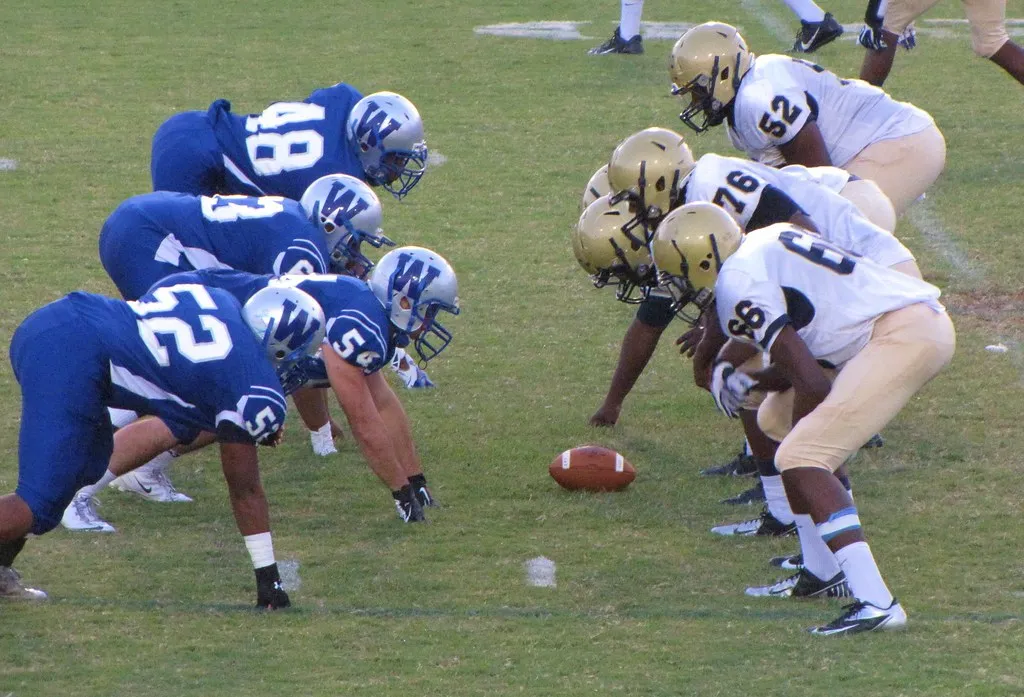
As this magazine reported this week, Alabama tackle Kadyn Proctor stepped onto the scale at February's NFL Scouting Combine at 352 pounds and went 12th overall in the draft two months later. Nobody in that room treated the number as something to explain away — offensive line is the one arena in American sport where the biggest bodies aren't tolerated, they're required. Nobody ranks the players themselves, though — not individually, not weekly, not in public. Recruiting services grade the incoming class, the Joe Moore Award crowns the best offensive line as a unit, and PFF grades every snap behind a paywall — but no one scores the linemen themselves, position by position, on a ledger a reader can actually see. Starting this week, we do: the Pocket Monster Award.
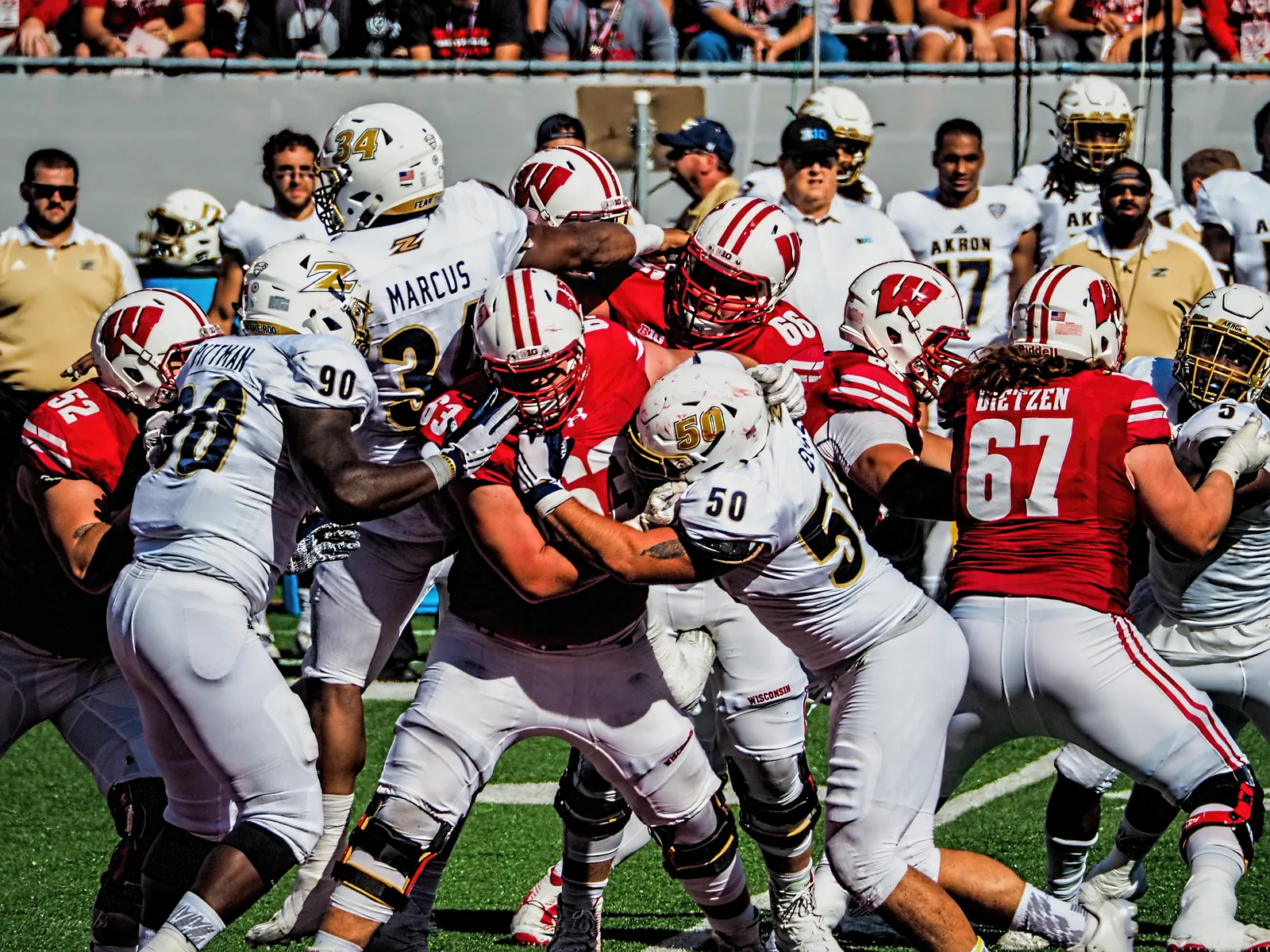
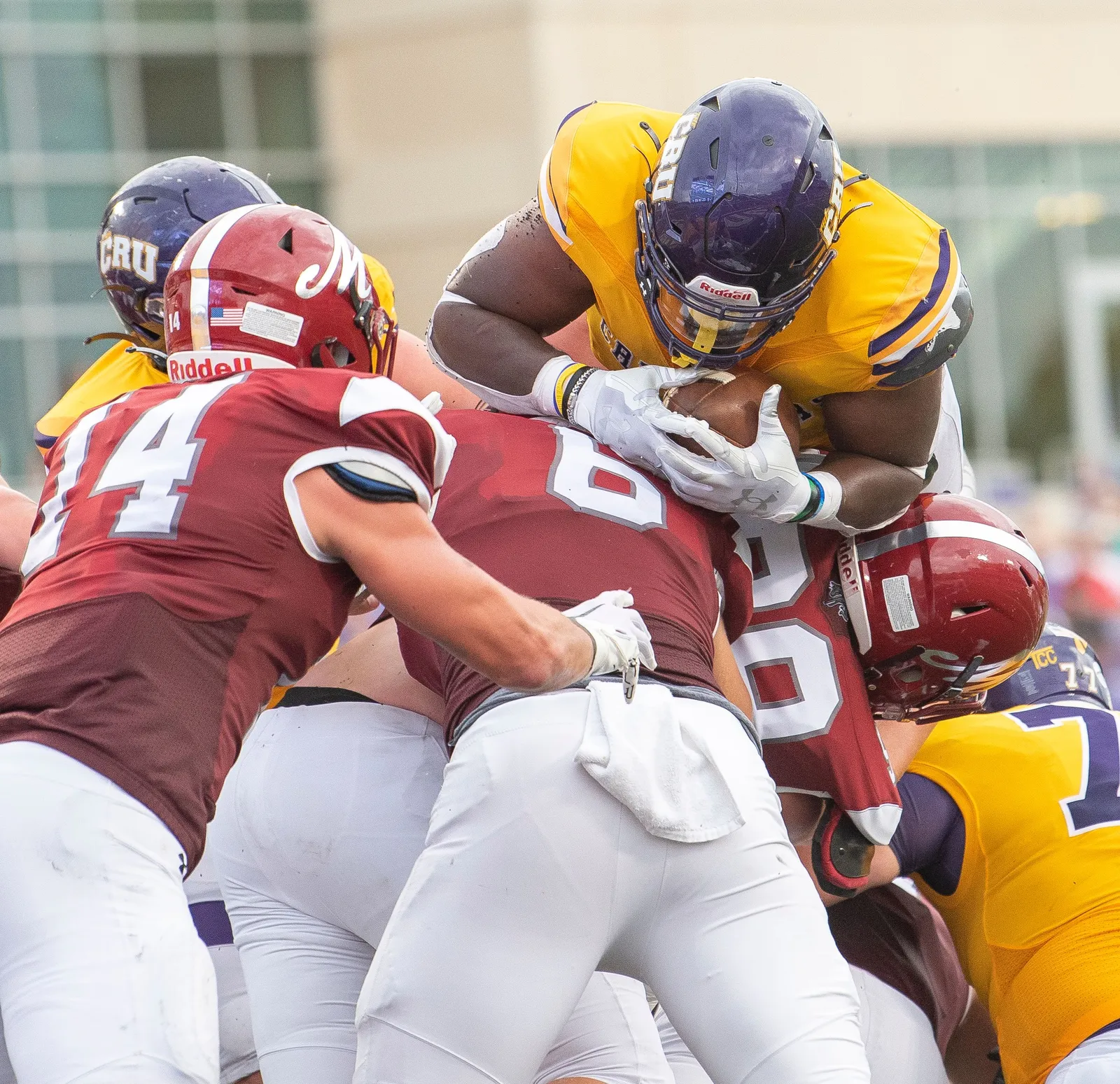
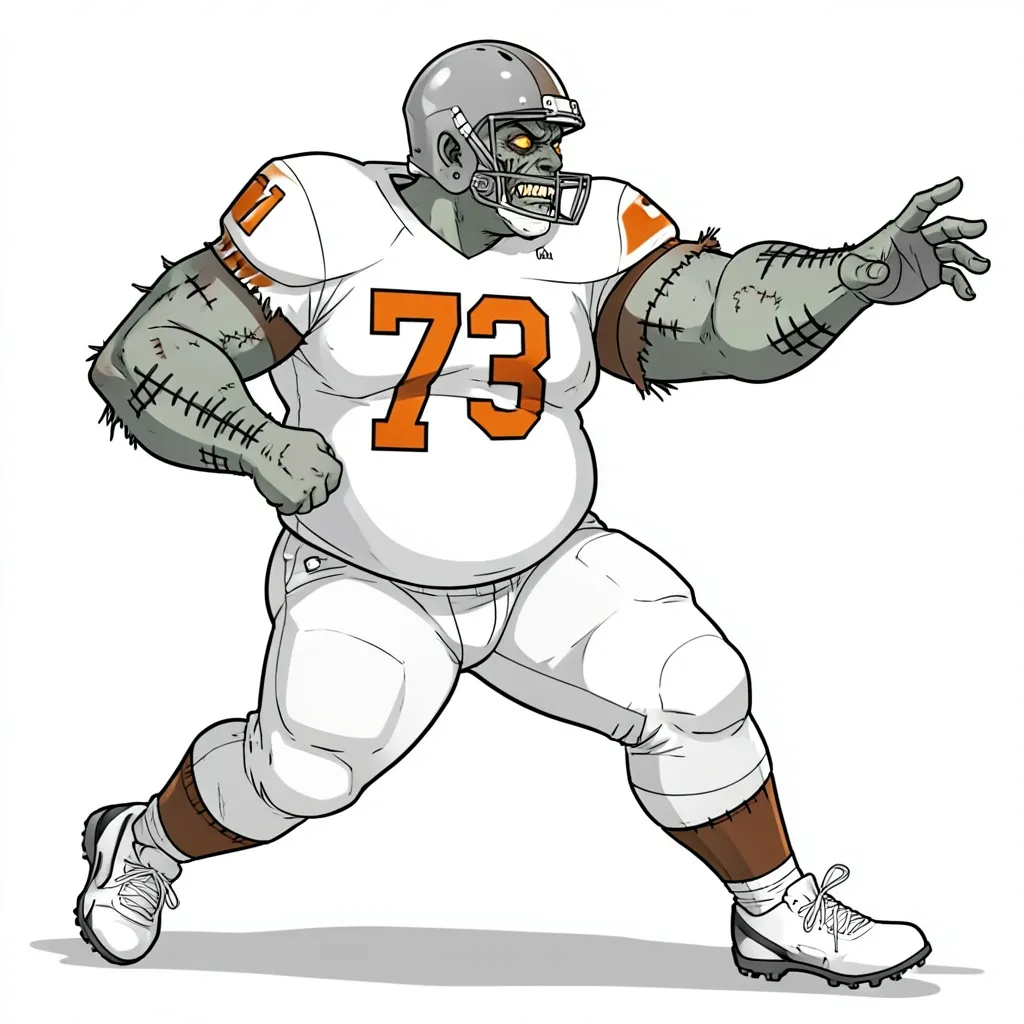
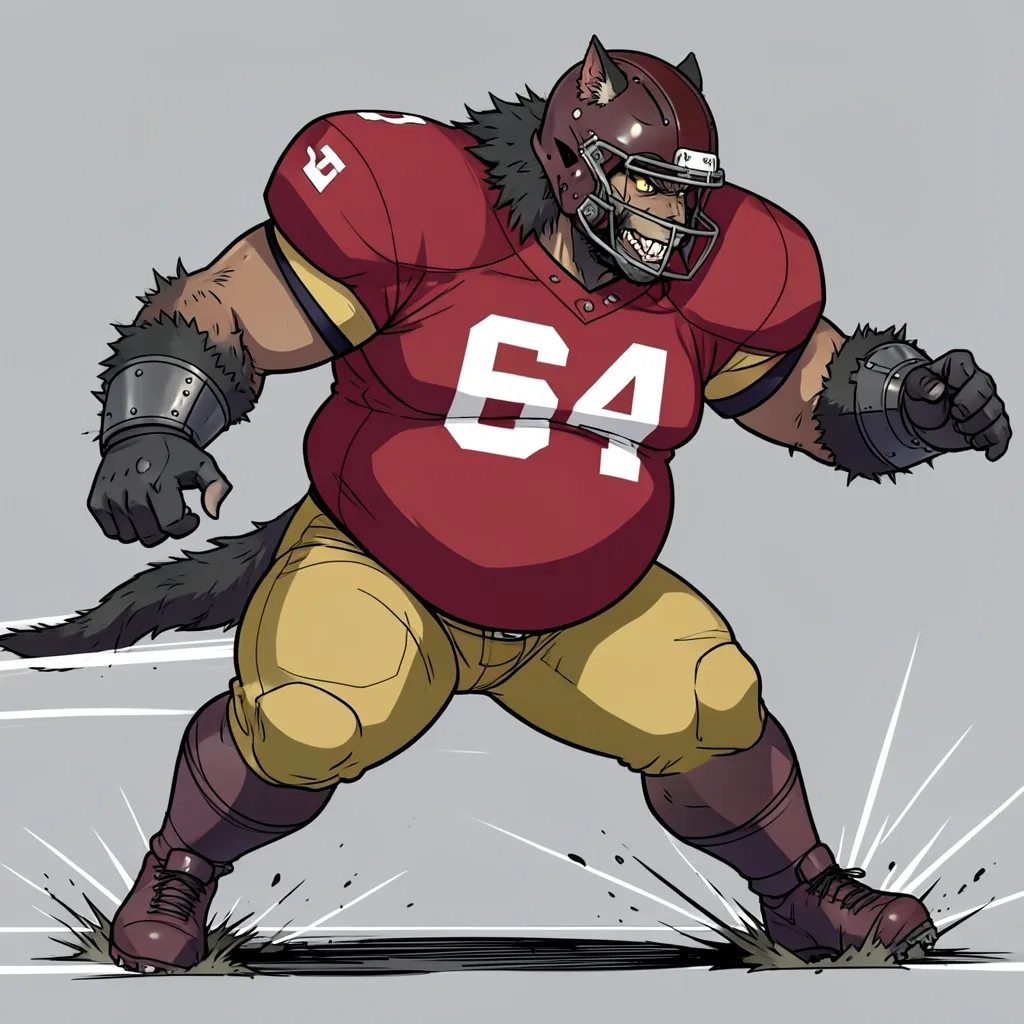
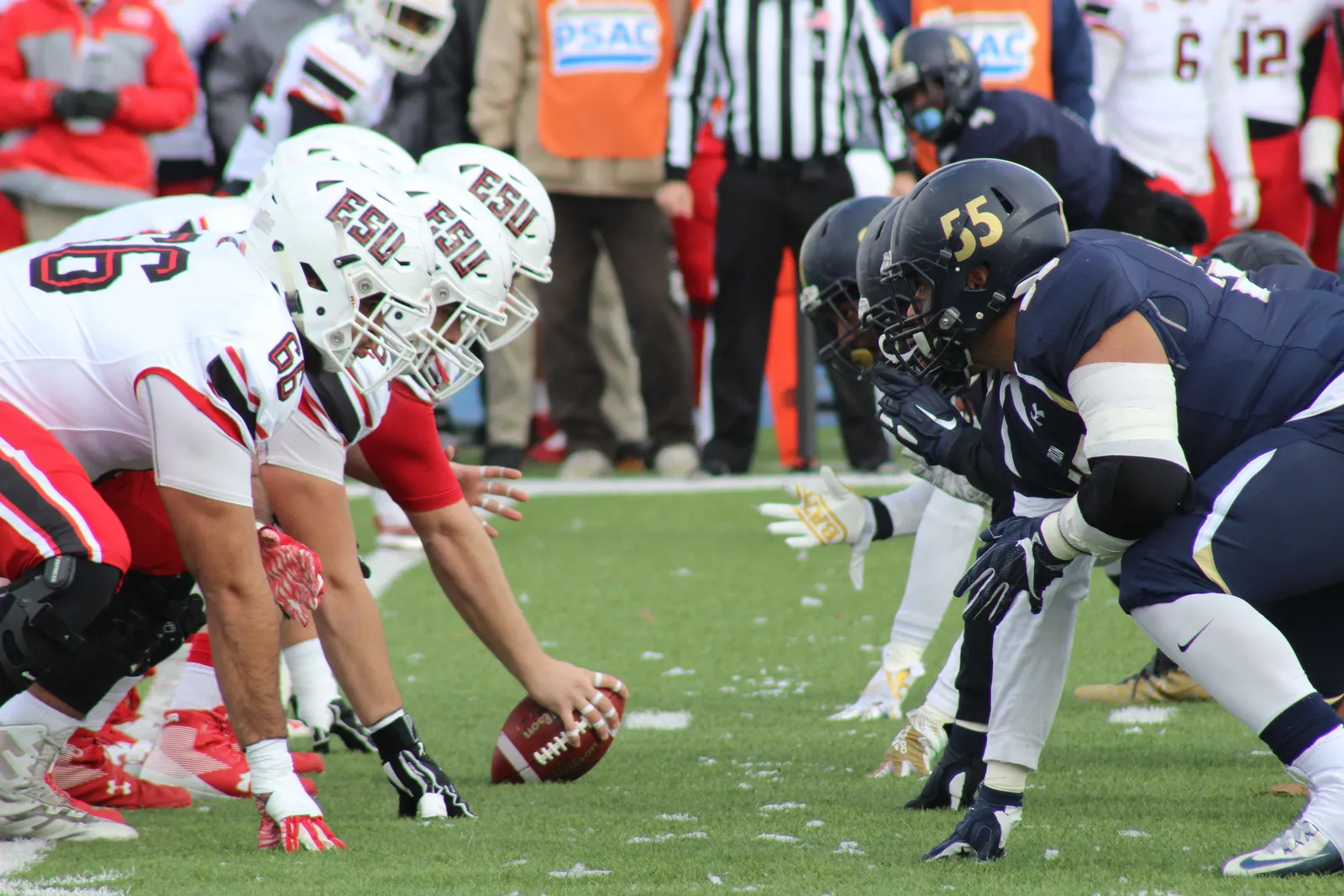
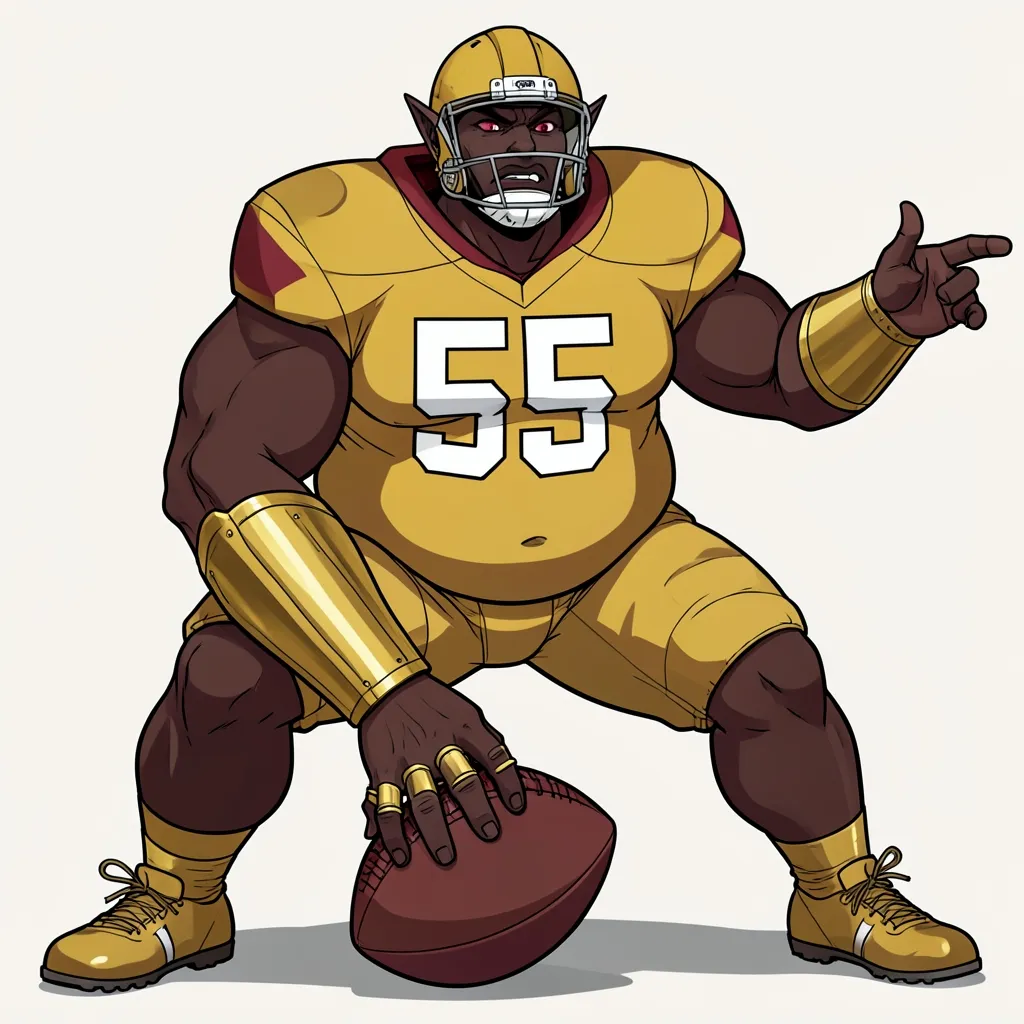
Three awards every week, and one at the end. Each week we publish a board with the tape that moved every name on it, and the lineman on top of each position takes a Linemen of the Week award — Tackle of the Week, Guard of the Week, Center of the Week. Tackles are ranked under the Zombie, because a tackle's whole job is not getting moved and a zombie is the thing that will not go down. Guards are ranked under the Werewolf, because a guard pulls — he explodes sideways out of his stance and hunts a defender in open space. Centers are ranked under the Vampire, because the center makes the protection call before anyone is allowed to hit anyone. Then, once the season is over, the Pocket Monster Award itself goes to five offensive linemen: two tackles, two guards, one center. They are the Pocket Monsters, and that is the only title that waits all year.
You Don't Inherit a Ranking
A spot on a Pocket Monster board is earned, not inherited. Recruiting stars don't score a card. NFL Draft grade doesn't score a card. Team record doesn't score a card — a left tackle on a four-and-seven team can outrank one blocking for a playoff contender, in the same week, if his tape is better. That's not a hedge on the marketing; it's the whole point, and the tagline says it without qualifying itself: we rank the trenches, not the hype. Media fame, roster ranking, ESPN airtime — none of it moves a single point on any of the six categories a lineman is actually scored on.
Eligibility runs on one filter: a real NFL Draft projection. If national or regional draft coverage — CBS Sports, PFF, and Sports Illustrated already publish early offensive line boards for the 2027 class — has a lineman projected as a pro, he's eligible for a card, whatever conference he plays in. On its face that reads as a contradiction: this award refuses to rank a player by where he's projected to be drafted, then uses draft projection to decide who's eligible at all. Both are true, because the two are different jobs — projection is the door, never the scale. It decides who gets evaluated. It never decides what's written on the card once he's through it, and a name projected on Day 3 gets scored on the identical six categories, off the identical tape, as a projected first-rounder. Here's the honest caveat that belongs in the charter, not a footnote: this early in the season, those published boards skew heavily toward Power-conference players. Small-school prospects tend to surface later, often after a full season of tape or a Senior Bowl or Shrine Bowl invite gets a scout's eyes on a Division II or FCS program for the first time — Sports Illustrated already runs a separate FCS offensive tackle watch list apart from its main board — a fair read of where that coverage actually sits right now: real, but thinner and later. So the promise for this launch is the method, not an even roster on day one. We will rank a Division II or FCS lineman the week a real draft board says he belongs, and not one week before — pretending the coverage is already even would be its own kind of hype.
How the Score Works
The weighting is public and it never moves. A tackle's card: pass protection 35 percent, run blocking 25, consistency 15, dominance 10, competition 10, discipline 5. A guard's card leans the other way — run blocking 30, pass protection 25, consistency 15, dominance 15, competition 10, discipline 5 — because a guard's job starts in the run game and rarely sees a true speed rusher isolated one-on-one. A center's card carries a category neither of the others do: assignment and communication, 10 percent, next to pass protection 25, run blocking 25, consistency 20, dominance 10, competition 5, discipline 5 — credit for making the protection call before the snap, not just winning the rep after it. Every card adds to 100 percent. Rank the best tackle at left and right, the best guard at left and right, the best center, and that is the week's board. The lineman at the top of each monster's board takes that week's award. The board is a running argument that gets re-made every week for four months, which is the only honest way to do this: a lineman who is first in September and eleventh in November was not robbed, he was out-played, and the record of both is sitting right there.
What We Can Actually See
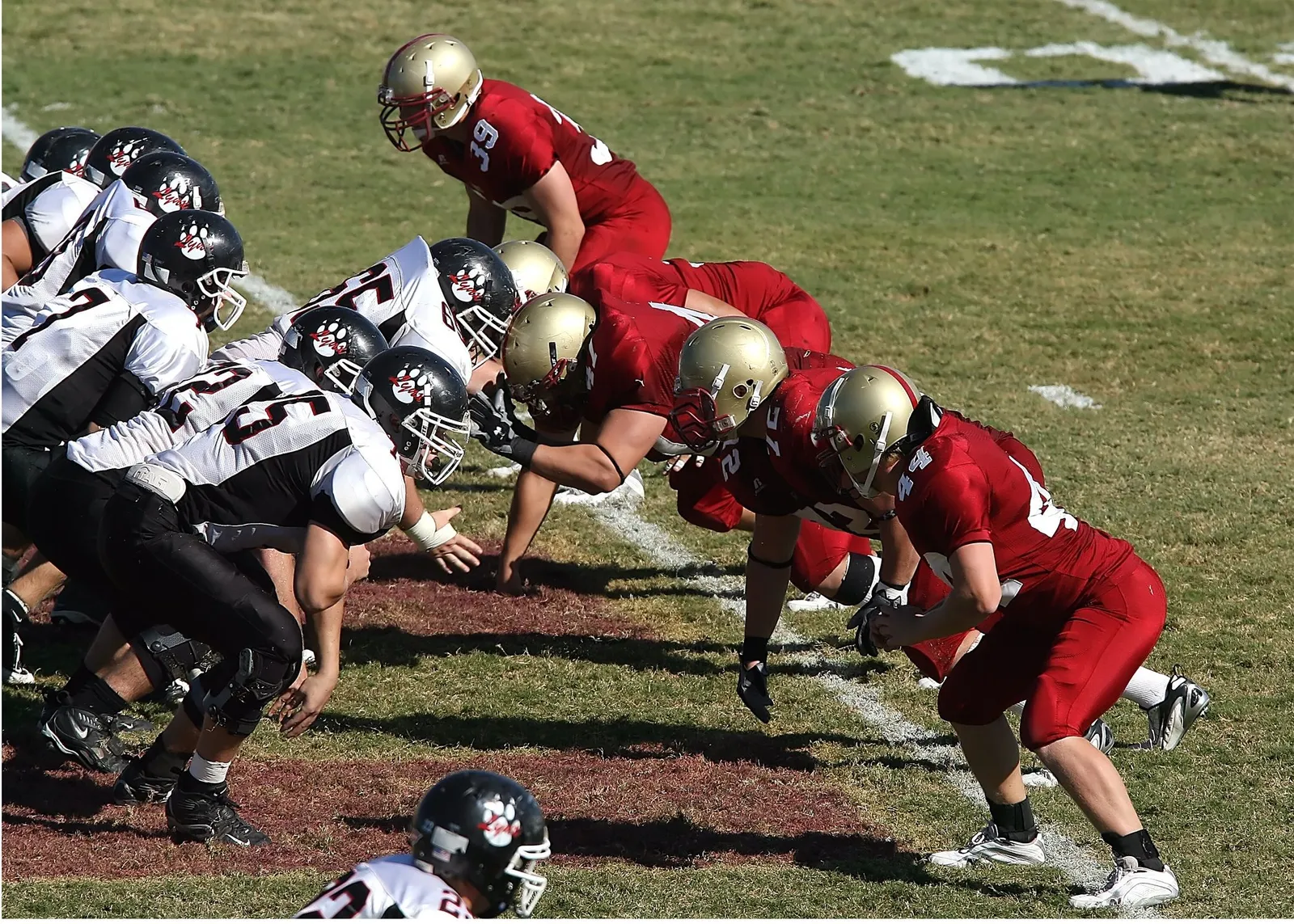
The same unevenness that keeps the eligible pool skewed toward Power conferences early in the season shows up inside the tape itself. College football doesn't publish offensive line stats — no NCAA box-score column tracks pressures allowed, knockdowns, or reps won at the point of attack. That data exists; the good version of it sits inside PFF's paid grading product or a program's own Hudl cut, not anywhere a reader can check our math. What we have is what any real film room has: broadcast and coaches-available angles, box scores, play-by-play, and our own eyes on the tape, run through the same six categories every week. A Power-conference tackle plays on national television with a truck's worth of camera angles and, often, a pressure count his own program's media staff already published. A Division II left tackle gets one fixed sideline camera and a stat sheet with no line column on it. Score every board on "the evidence available" without accounting for that, and the big-conference name wins by default for reasons that have nothing to do with who actually played better — the recruiting-star hype this award exists to argue with, rebuilt in a spreadsheet instead of a Rivals badge. We're not fixing that by grading small-school tape generously, either — a curve is still a thumb on the scale. The fix is a smaller board: five ranked spots per position, not ten, because five names we watched enough tape to defend beats ten where the back half is padding on reputation. When there isn't enough film on a real prospect to score him honestly, that spot stays empty that week rather than getting filled with a guess.
Shop the Athlos Collection
Heavyweight Class Tee
No lightweights. An athletics-department tee for a body that takes up space and doesn't answer to anybody about it — heavyweight is a class…
Thundering Chickadees Football Tee
Light, soft, and built for everyday confidence — this casual jersey tee carries a playful vintage-athletic vibe. A small, hand-drawn mascot…
BBW University Tee
Light, soft, and built for everyday confidence — this casual jersey tee carries a playful vintage-athletic vibe. A small, hand-drawn mascot…
Related Stories
 Photo by Gregorio Dorta Martin on Pexels
USA Triathlon's Clydesdale and Athena Racers Get Their Own Start Wave
At August's Milwaukee nationals, triathletes in the 220-plus and 165-plus-pound divisions left the line as their own start wave.
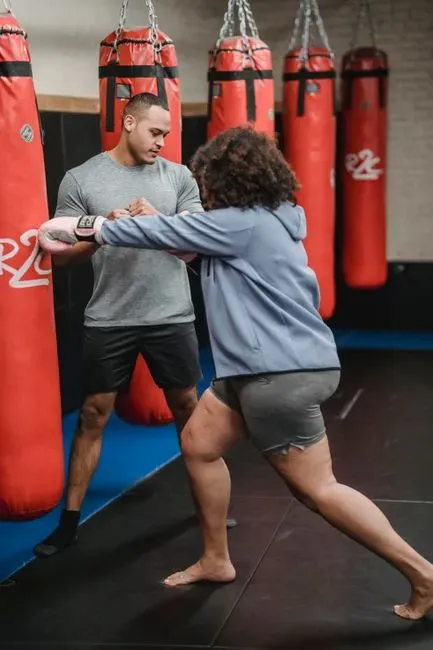 Photo by Julia Larson on Pexels
Built from the Ground Up: The Gyms and Gear Actually Designed for Bigger Bodies
A Portland gym rates its equipment to 500 pounds. An activewear brand fit-tests every piece through size 42. Real design, not a resized afterthought.
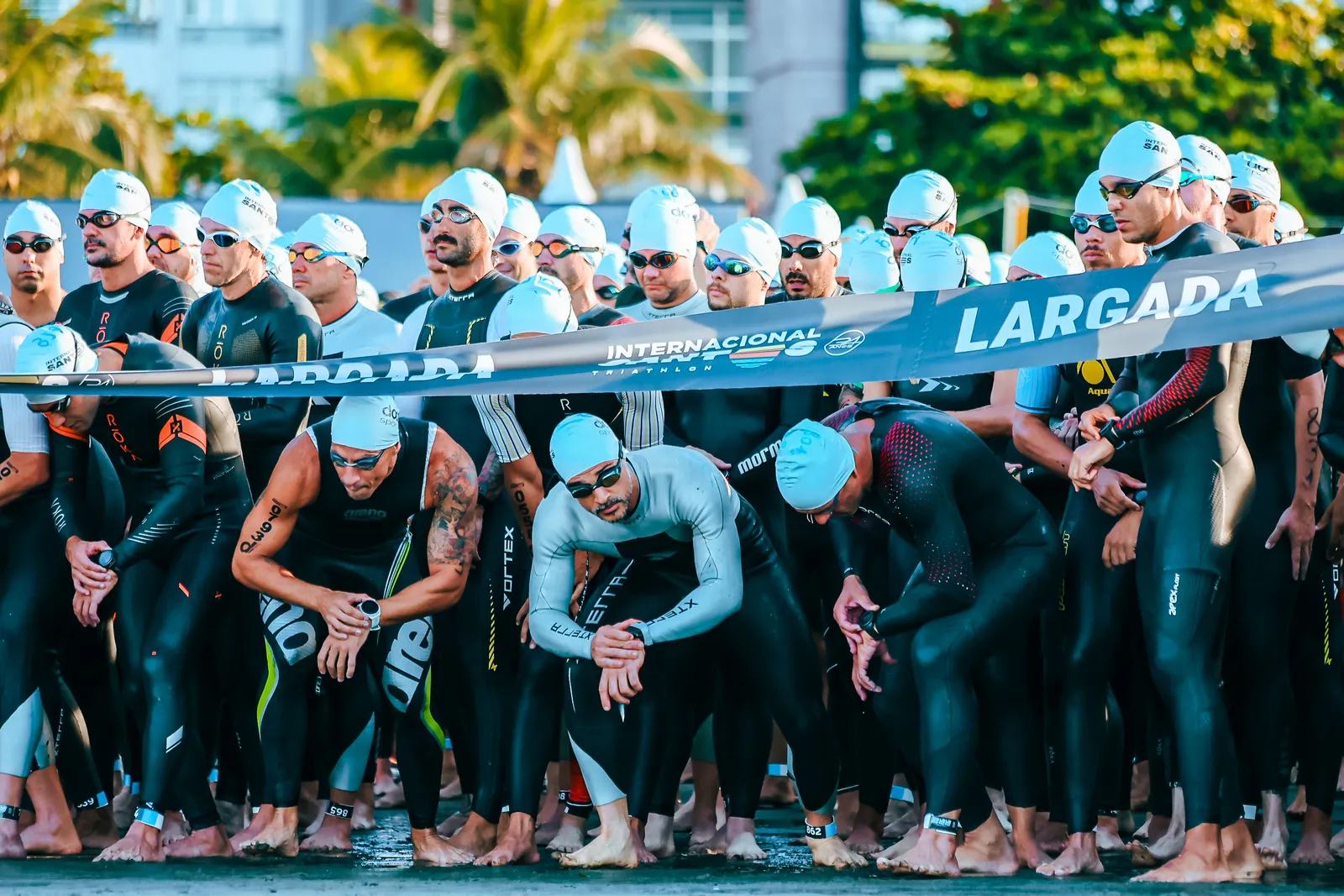 Photo by Lucas Borges on Pexels
Every Clydesdale and Athena Title: The Milwaukee Nationals Results
Phillip Young won Clydesdale overall in all three Milwaukee races, August 7–9. The divisions' separate start wave ran in two of the three — and wasn't a first.