
Target's Plus-Size Selection Fell 37 Percent in a Year, as Old Navy's Slid Too
Extended sizes fell 37 percent at Target and 12 percent at Old Navy over the past year, as GLP-1 drug use climbed toward 10 million Americans in 2025.
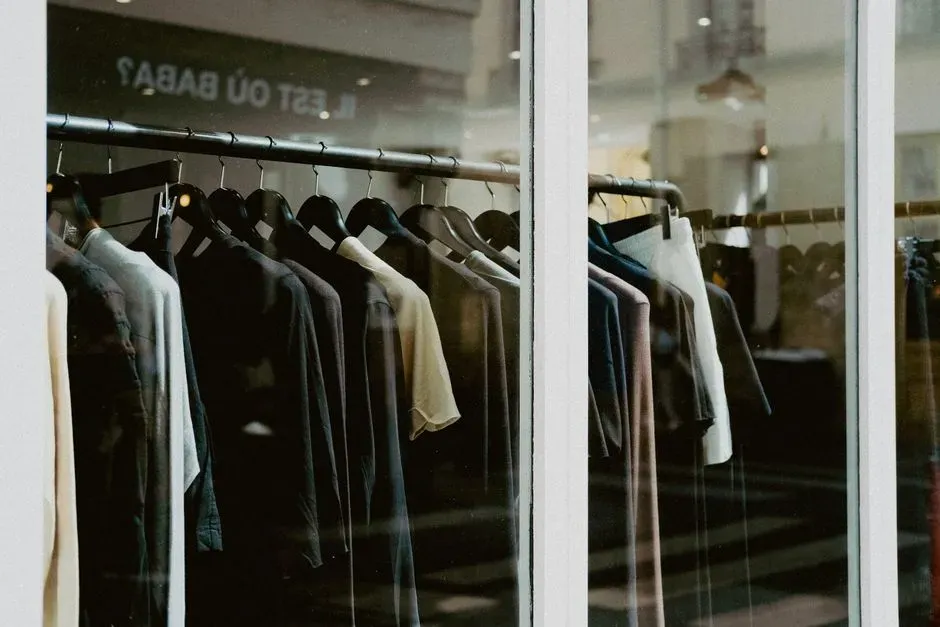
Photo by Mathias Reding on PexelsExtended sizes for women's apparel on Target's website fell 37 percent between March 2025 and March 2026, with 30 percent of that decline landing in just the past six months, according to tracking data from the retail intelligence firm EDITED. At Old Navy, plus-size options fell 12 percent over the same one-year span, the same firm found. The pullback, first reported by CNN Business on April 5, 2026, lands as the number of Americans on branded GLP-1 weight-loss drugs has climbed from roughly six million in 2024 to about 10 million in 2025, according to JPMorgan's own research, published February 27, 2026 — a jump both retailers and analysts increasingly connect to what's disappearing from the rack.
What Two Retailers Say, and Don't
Target told CNN it adjusts its product assortment based on consumer demand, without addressing the size of the cut or what's driving it. Old Navy did not respond to CNN's request for comment on its own 12 percent decline. Neither company has published its own assortment figures; the EDITED numbers track what's actually listed for sale on each retailer's site over time, not a metric either company has confirmed itself.
“There is no question that GLP-1s are changing or having profound impacts across retail.”
The Market Being Cut Into
The pullback is cutting into what a 2024 survey by Mys Tyler, drawing on self-reported measurements from more than 42,000 US women, found is already the majority: 54.4 percent of US women wear a size 14 or above, and the single most common dress size in the country is 16. Shoppers reported feeling the shift directly. "I see the direction of skinny culture. Brands are just falling right in line with what they think people want," Ann Lindsay, a 41-year-old shopper in Chicago, told CNN. "Retailers are essentially saying that they'd rather wait for us to get smaller than serve us now," said Colleen Marie, a 26-year-old shopper in New York. In Nashville, Shannon Clemens, co-owner of the plus-size thrift store The Plus Closet, offered a different read on the underlying demand: "There's always going to be people gaining and losing weight, because that is just how bodies work."
None of this adds up to a single confirmed cause, and neither retailer has said GLP-1s are why its own assortment shrank. What's documented is the size of the cut at each company, the timing against a fast-growing GLP-1 user base, and a retail analyst willing to say on the record that the drugs are having a real effect on the industry — not a settled verdict, but a live business story with real numbers behind it.
Related Stories
 Photo by Sasha P on Pexels
Torrid's Store Count Has Dropped From 632 to 463 in a Year
The largest plus-size specialty retailer closed more than a quarter of its stores since mid-2025, and its own filings show sales kept declining.
 Photo by RDNE Stock project on Pexels
Retail's GLP-1 Forecast Assumes the Weight Stays Off. The Evidence Still Doesn't Agree.
The $5 billion forecast on falling plus-size demand came from a software vendor. The trial evidence and the real-world evidence answer different questions.
 Photo by Chris Pruitt, CC BY-SA 3.0, via Wikimedia Commons
Weight Watchers Erased $1.15 Billion in Debt in 49 Days. Was It Really All Ozempic?
WW International wiped out $1.15 billion in debt in a 49-day bankruptcy last year and blamed GLP-1 drugs. Its own revenue had been falling since 2012.