
Universal Standard Doubled Down on Size Inclusivity. Loft Quietly Walked Away From It.
One brand expanded into 20 Nordstrom stores in 2025 on a size-00-to-40 range; another discontinued its plus line three years after launching it.
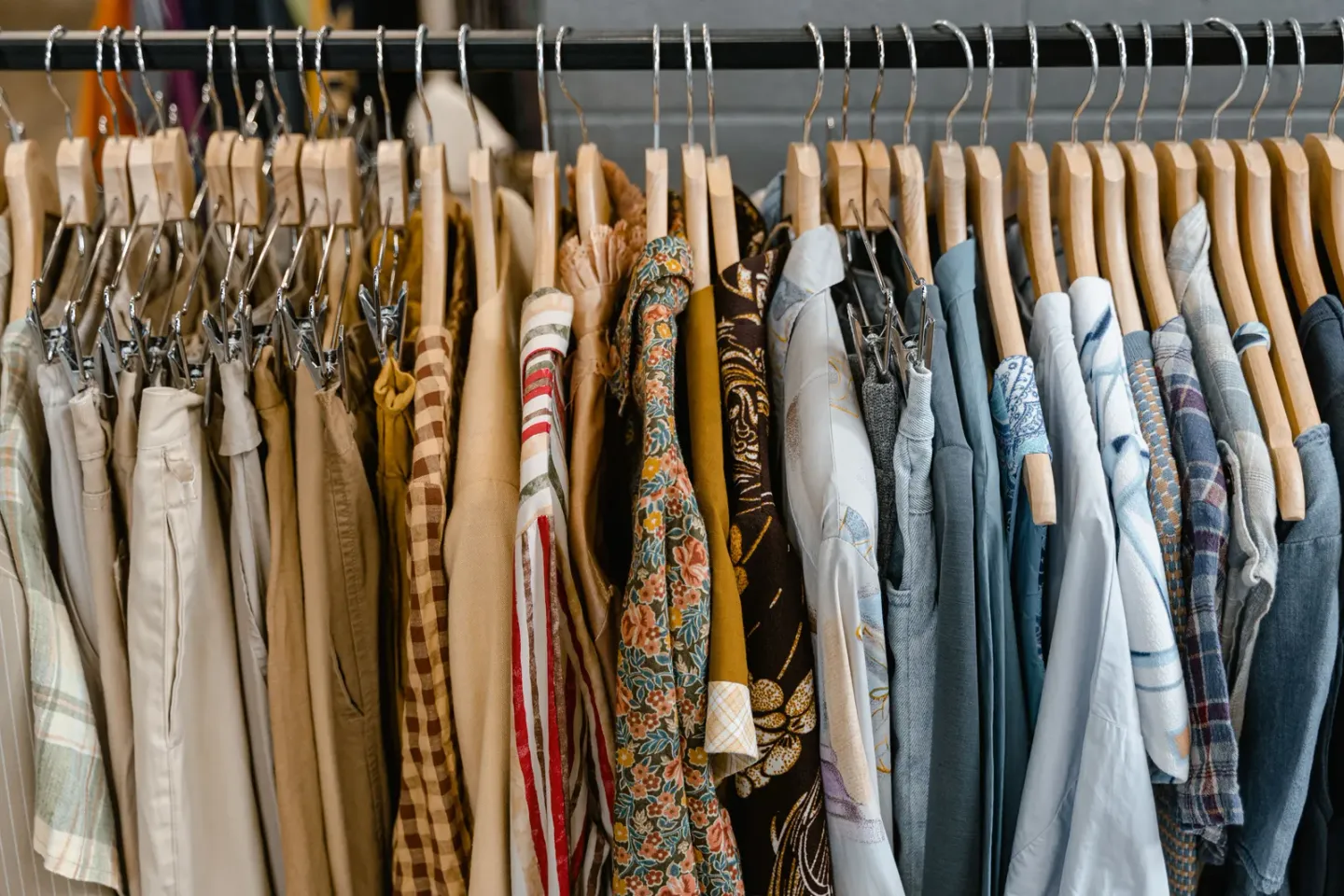
Photo by MART PRODUCTION on PexelsIn March 2025, Universal Standard — the size-00-to-40 label Alexandra Waldman and Polina Veksler founded in 2015 — opened inside 20 Nordstrom stores, the first wave of a wholesale push that would also land the brand at Anthropologie, Macy's, Nuuly, and nearly 50 additional boutiques by the end of the year. Four years earlier, Loft had gone the opposite direction: after three years of selling a dedicated plus-size collection in its own stores, the retailer told a customer who asked why plus sizes were disappearing from its website that it was discontinuing the line entirely — not in a press release, but in a reply on Instagram. Both brands are real, both decisions are documented, and neither is an isolated case. Plus-size fashion's size-inclusivity high-water mark, dated by most trade coverage to roughly 2018 through 2020, hasn't held evenly across the industry since.
Universal Standard Keeps Building Around the Full Range
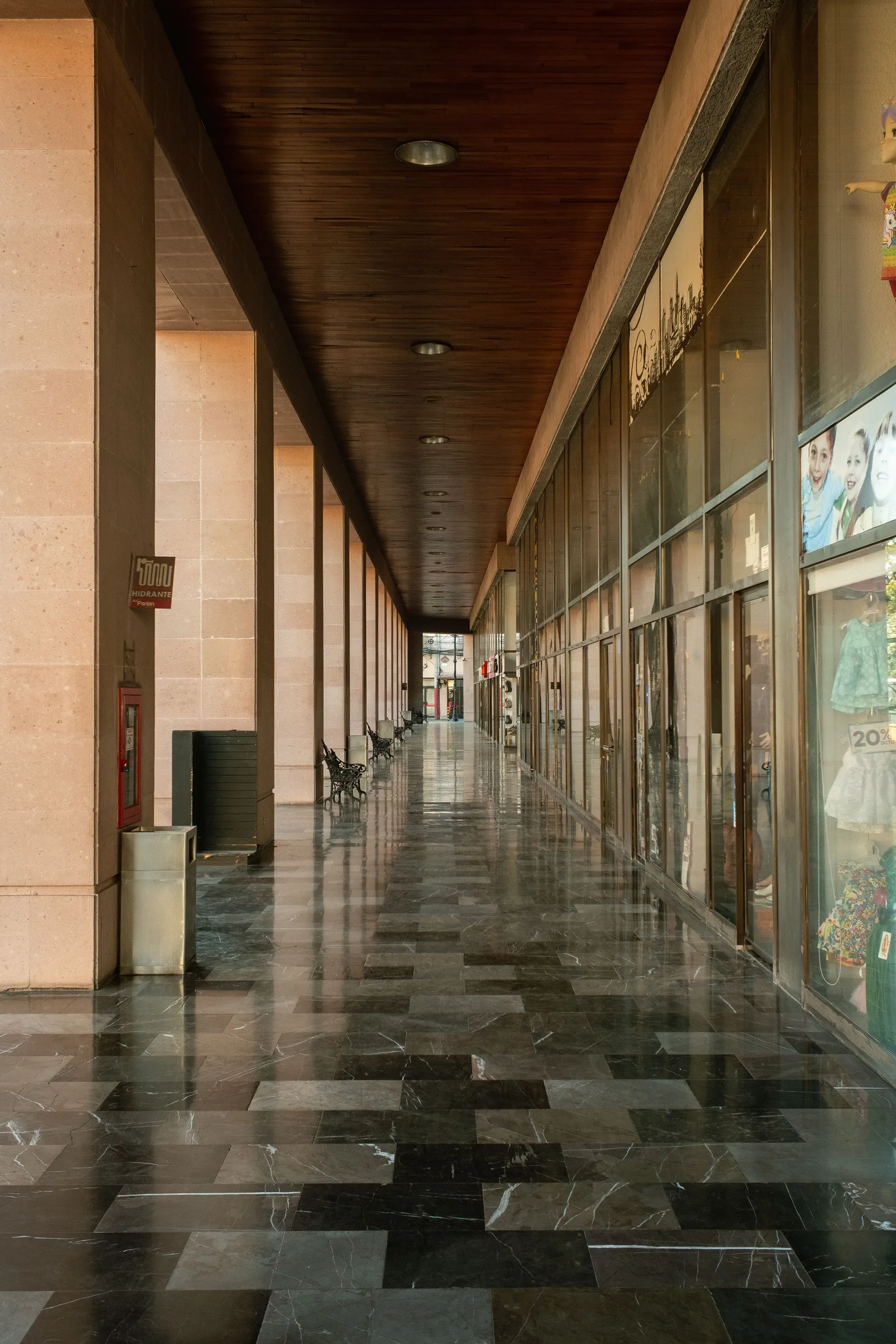
Universal Standard's size range has run 00 to 40 since May 2019, when the brand — which had launched focused on the underserved 10-to-28 band — broadened to cover the full scale at once rather than adding sizes piecemeal. In April 2023, five months before Waldman's death from cancer at 57, the company acquired Henning, the plus-size luxury workwear label founded by Lauren Chan, who became Universal Standard's head of brand partnerships; Henning's tailoring was folded into Universal Standard's fall 2023 collection. Two years later, the brand moved further into wholesale, a real shift from its historically direct-to-consumer model: it launched on Nordstrom's website in January 2025, then opened inside 20 Nordstrom stores that March, including locations at the Mall of America and the Houston Galleria, with additional partnerships at Anthropologie, Macy's, and Nuuly following over the year. The company projected wholesale would make up roughly 10 percent of its 2025 revenue.
“The future of fashion is rooted in inclusivity and we are confident that embracing size-inclusivity will continue to be profitable for the business.”
Loft Cut Its Plus Line Three Years After Launching It
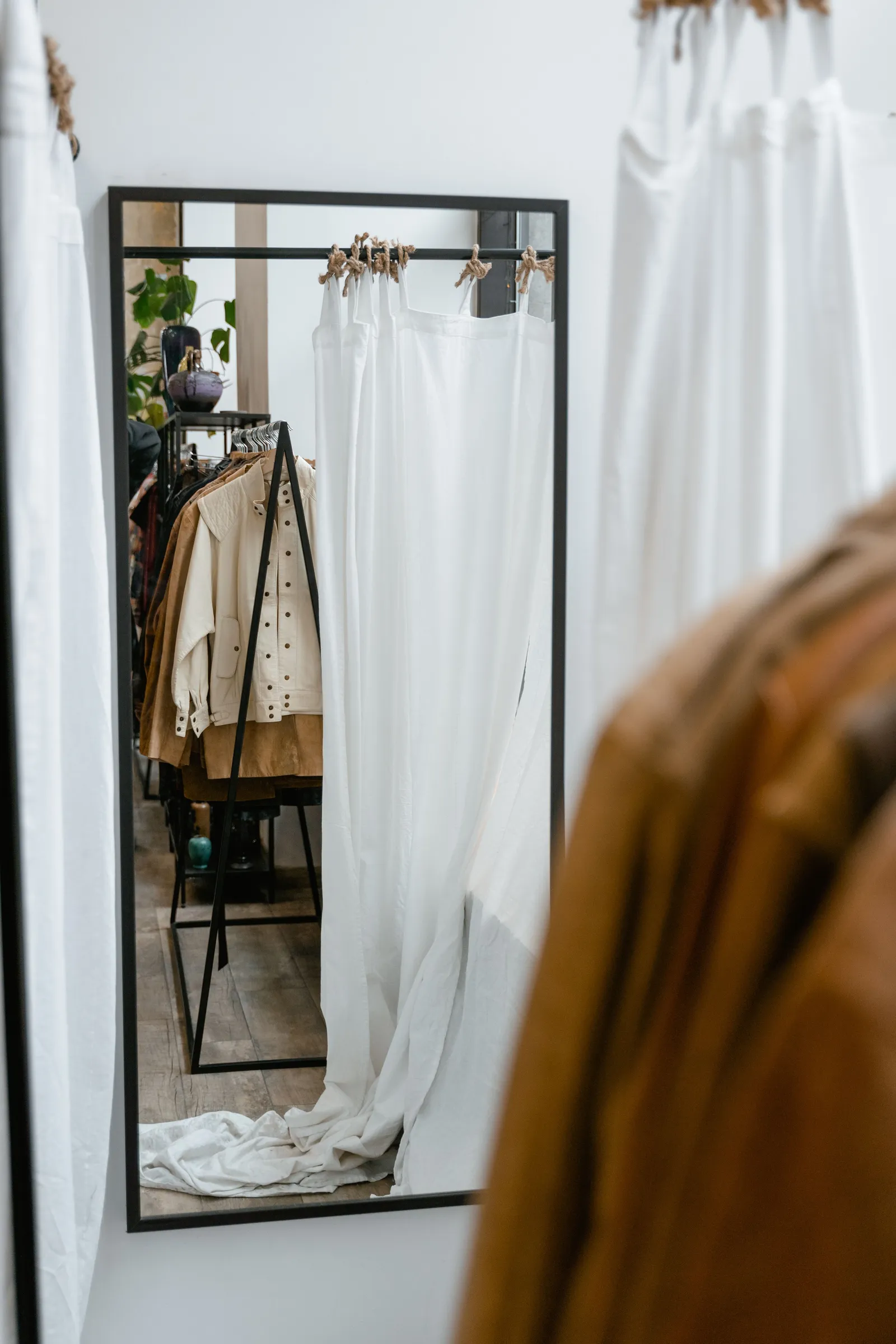
Loft's own extended-size collection launched in its stores on February 5, 2018, in sizes 16 to 26 — an unusual choice at the time, since most retailers tested plus sizing online-only first. The brand marketed the launch heavily, including pop-up events with plus-size ambassador CeCe Olisa in New York, Atlanta, and Washington, D.C. Three years later, in March 2021, Loft told customers who asked on social media why plus sizes were disappearing from its site that, "due to ongoing business challenges, we have had to make some difficult decisions, which does impact our plus collection." The company made no separate public announcement beyond those replies. By that fall, Loft's range had returned to its original 00-to-18 span. Aymie Rondeau, founder of the retailer The Curvy Shop, publicly disputed the pandemic framing at the time: "Blaming the pandemic on having to discontinue the line doesn't add up," she said, pointing out that Loft's plus pieces had reportedly been selling out and that the collection was barely stocked in physical stores to begin with, so store or mall closures wouldn't have hit its inventory the way they hit in-person sales.
“I think the plus-size community felt truly embraced by LOFT... this change feels like an unexpected rejection from a new friend.”
A Broader Shift Is Pressuring the Whole Size Curve
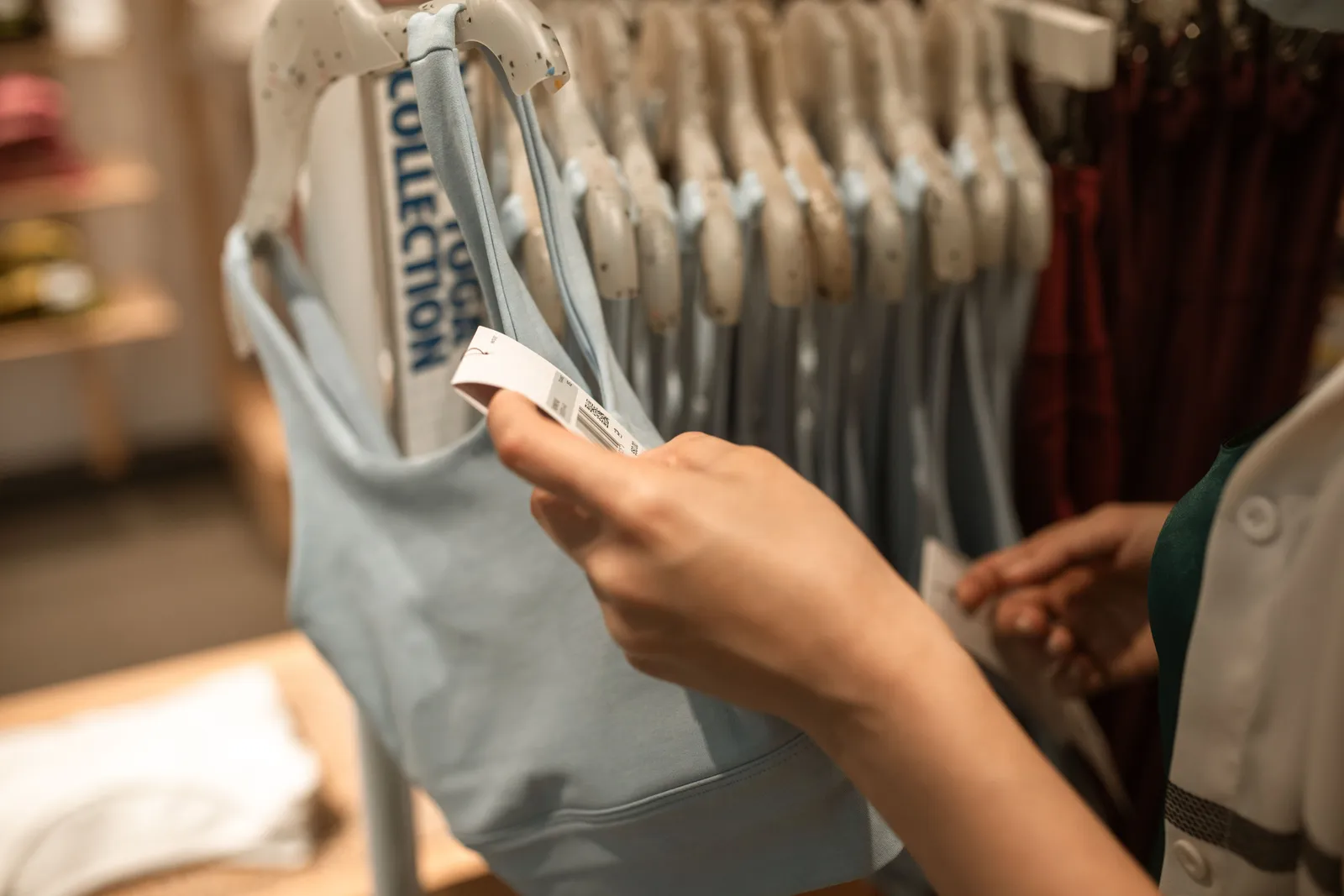
The pressure on extended sizing hasn't stood still since 2021, either. Rising use of GLP-1 weight-loss medications is now showing up directly in apparel retailers' own numbers: Destination XL Group, the big-and-tall menswear chain now merging with women's plus-size retailer FullBeauty Brands, reported a 6 percent fourth-quarter sales drop for fiscal 2025, with chief executive Harvey Kanter telling investors that as many as 25 percent of DXL's customers may now be using GLP-1 drugs, buying down to cheaper private-label sizes while they lose weight rather than the premium national brands DXL depends on, on the expectation that they'll trade back up once their weight stabilizes. Lululemon chief executive Calvin McDonald said in June 2024 that the brand was running out of stock in some of its smaller sizes; the analytics firm Impact Analytics found sales of extra-small and small women's button-down shirts rose 12 percent between 2022 and 2024 while large, extra-large, and double-extra-large sizes fell nearly 11 percent over the same period. On the runway, size-14-and-up models made up just 0.3 percent of the 8,703 looks shown at New York, London, Milan, and Paris's autumn/winter 2025 shows, down from 0.8 percent the season before, according to Vogue Business's own size-inclusivity tracking, while straight sizes 0 to 4 accounted for 97.7 percent of looks.
None of this resolves into a single verdict. Universal Standard's wholesale expansion and Loft's 2021 exit are both real, well-documented decisions made three years apart by different companies for different stated reasons, and the runway and inventory data above describe an industry-wide pattern that neither decision fully explains on its own. What's documented is that the size-inclusivity commitment retailers made publicly and loudly between 2018 and 2020 hasn't held at one industry-wide level since. Some brands are still building on it. Others have already moved on.
Related Stories
 Photo by Sasha P on Pexels
Torrid's Store Count Has Dropped From 632 to 463 in a Year
The largest plus-size specialty retailer closed more than a quarter of its stores since mid-2025, and its own filings show sales kept declining.
 Photo by Mathias Reding on Pexels
Target's Plus-Size Selection Fell 37 Percent in a Year, as Old Navy's Slid Too
Extended sizes fell 37 percent at Target and 12 percent at Old Navy over the past year, as GLP-1 drug use climbed toward 10 million Americans in 2025.
 Photo by RDNE Stock project on Pexels
Retail's GLP-1 Forecast Assumes the Weight Stays Off. The Evidence Still Doesn't Agree.
The $5 billion forecast on falling plus-size demand came from a software vendor. The trial evidence and the real-world evidence answer different questions.