
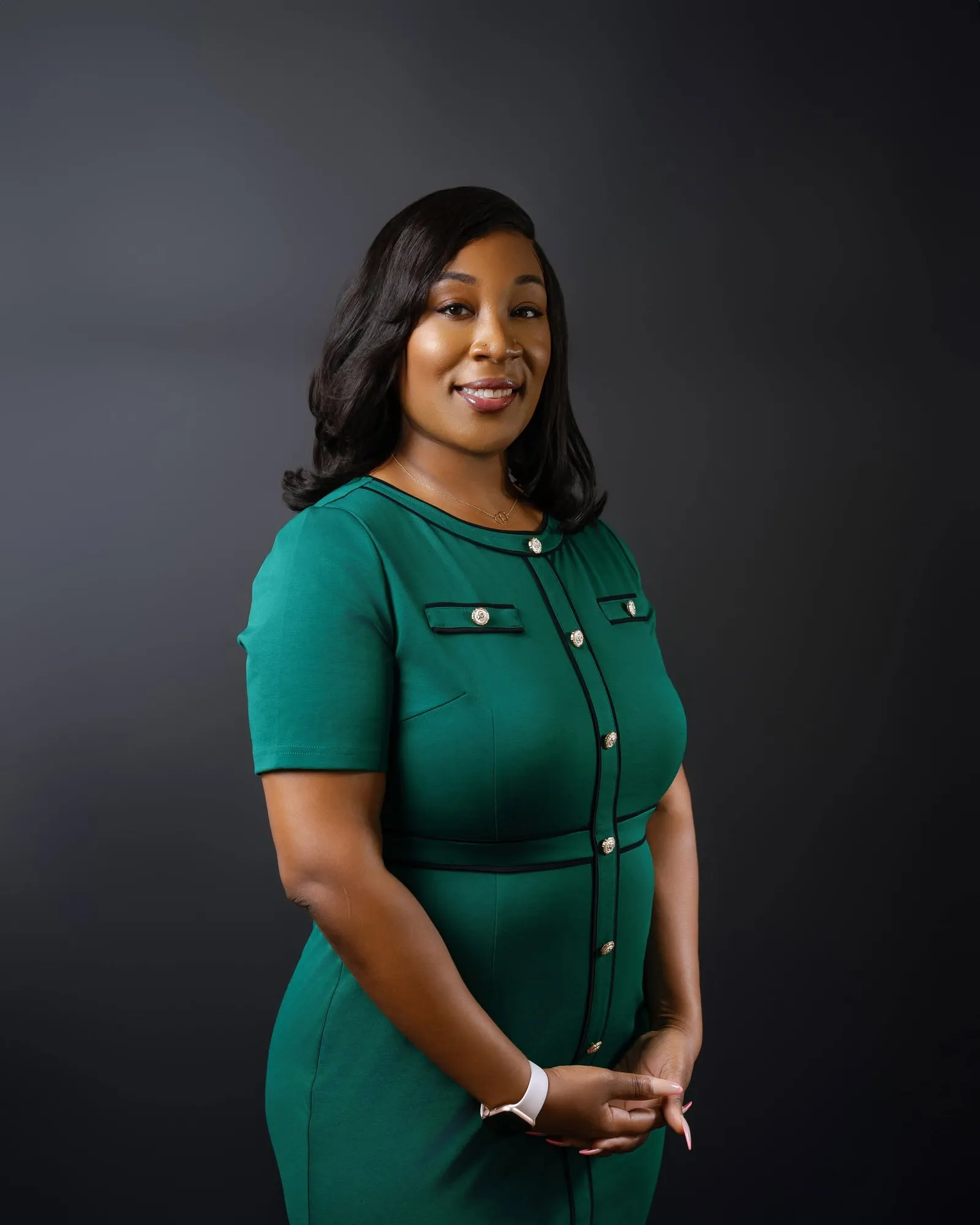
Ebony Williams Couldn’t Afford Housing After Law School. Now She’s on the Ballot for the Court That Hears Eviction Appeals.
The Houston attorney unseated a two-term incumbent by 33 points in March, campaigning on one idea: that people who show up without a lawyer should be able to understand what is happening to them.
Photo courtesy of the Ebony Williams for Judge campaignEbony Williams was nine years old when she decided she would be a lawyer. She had been watching “Matlock.” It took her until 2010 to get the degree, and when she finally had it, she could not afford a place to live. A friend named Caryn gave her a room for a few months. Her first job paid $7.50 an hour, and she has said she was grateful for it, because it was enough to get her an apartment and a car.
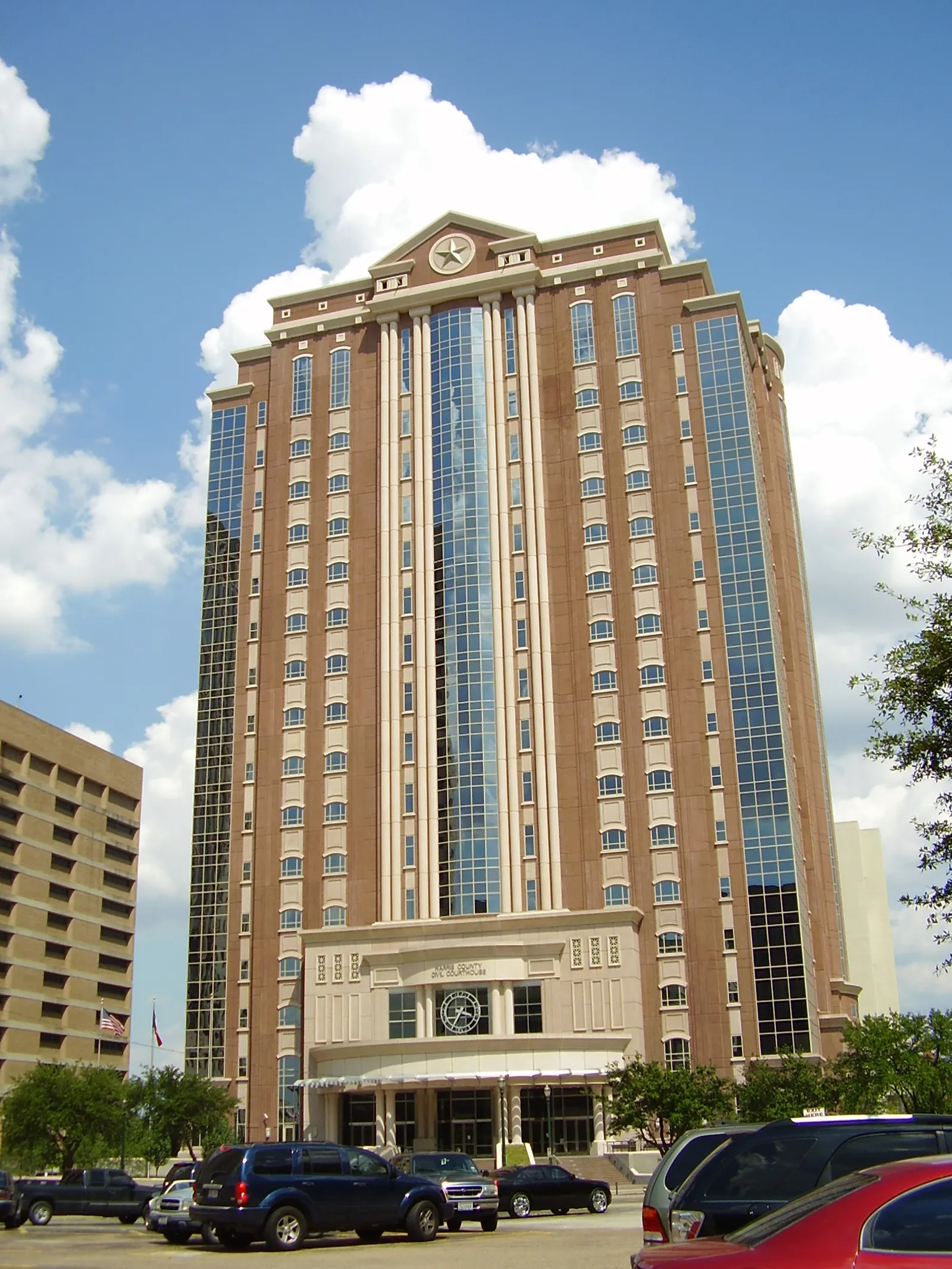
Sixteen years later, Williams is on the November ballot for Harris County Civil Court at Law No. 2 — a court whose docket includes appeals from eviction cases.
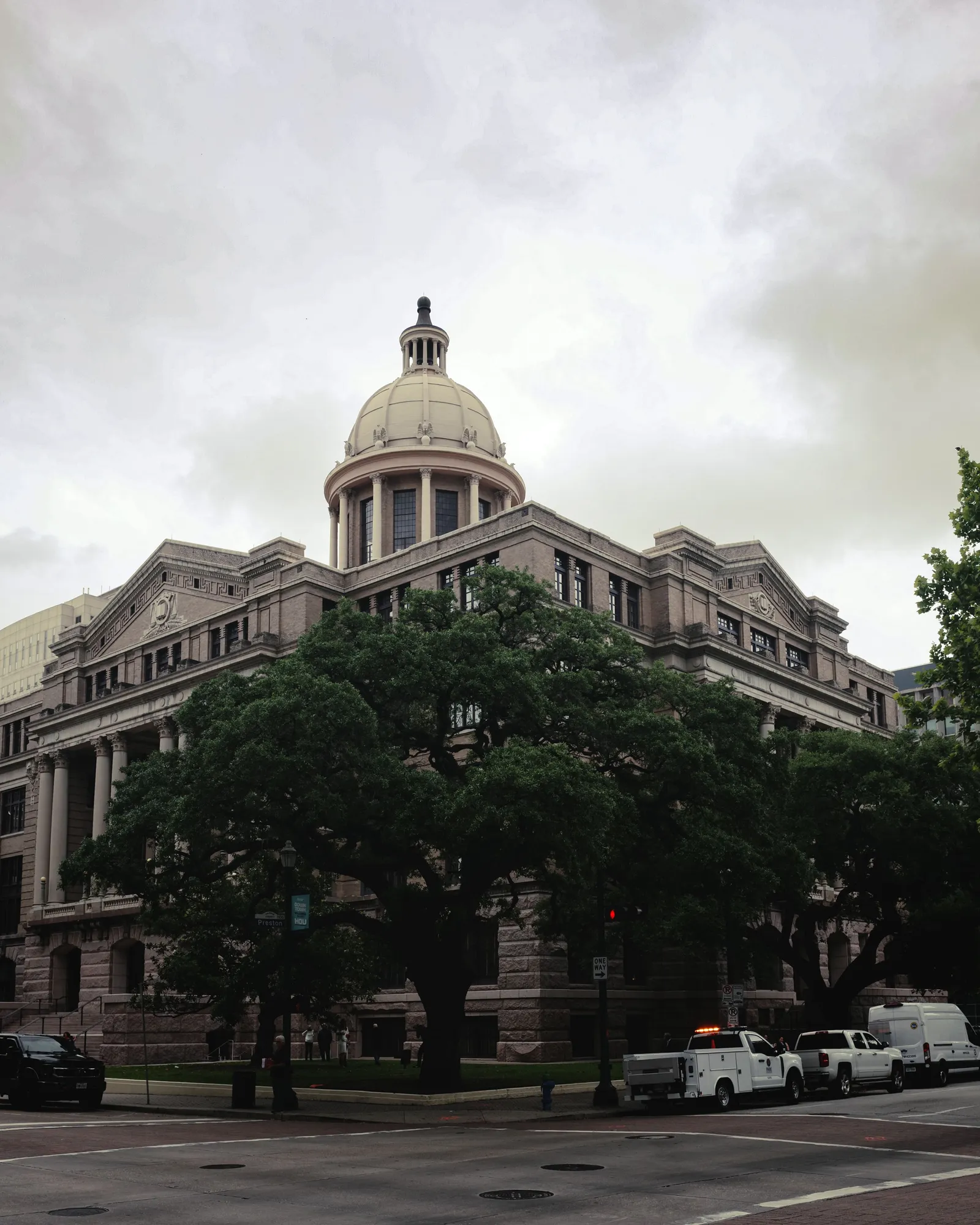
She got there by beating a two-term incumbent. In the March 3, 2026, Democratic primary, Williams took 209,592 votes to Judge Jim Kovach’s 106,374 — 66.33 percent to 33.67, a 33-point margin, according to Harris County’s certified canvass. She faces Republican Mark Montgomery, unopposed in his own primary, on November 3.
The court people meet on the worst day of their year
Harris County’s civil courts at law are the layer of the system most residents only encounter through an eviction appeal, a fender-bender suit, or a contract fight too small for district court and too large for small claims. Under Texas Government Code Section 25.0003 they share jurisdiction with district courts over civil cases where the amount in controversy runs from more than $500 to no more than $325,000. Section 25.1032 gives Harris County’s civil courts at law appeals from justice-of-the-peace courts and exclusive jurisdiction over most eminent domain proceedings in the county — but not probate, which the county routes to dedicated probate courts. Williams herself describes the docket as running to landlord-tenant matters, evictions, collections and injunctions.
“This Court directly affects the everyday lives of thousands of Harris County residents.”
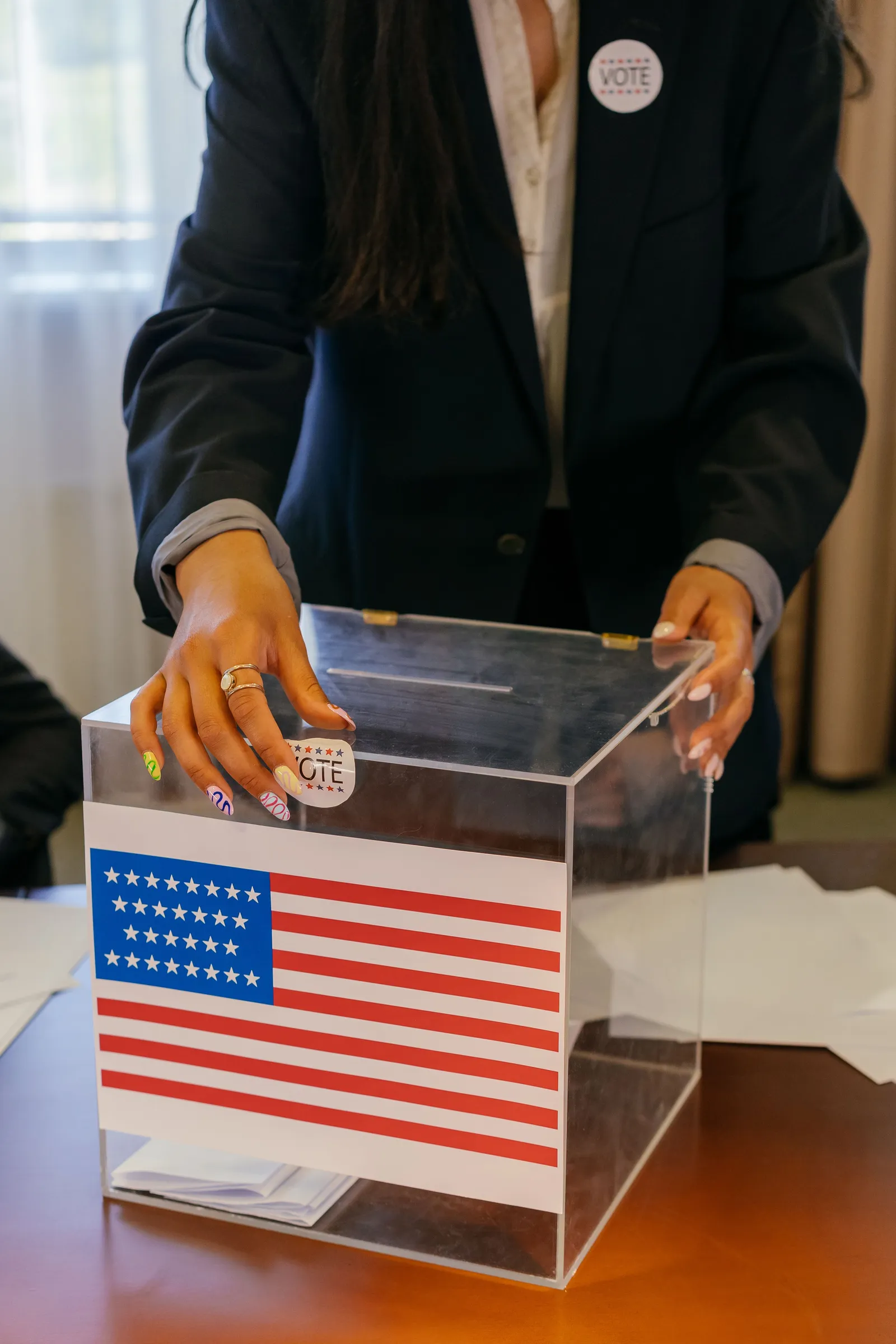
That is Williams, answering a candidate questionnaire published by the Houston politics blog Off the Kuff. She went on to name who she meant: families, small businesses, renters, and homeowners facing housing loss, financial hardship or legal uncertainty. It is the same list a clerk could read off the docket on any given morning, and it is why a court almost nobody can name drew more than 300,000 primary votes.
What she says she would change
Her platform is narrower than most, and she does not dress it up. She wants a courtroom that is “organized, timely, and accessible,” procedures explained plainly, rules enforced evenly — and, the one concrete piece, printed legal-information materials kept in the courtroom itself, so people representing themselves can find out what free help exists. In the League of Women Voters of Houston voters guide she framed it as docket efficiency paired with making sure self-represented litigants understand their rights.
Asked by Off the Kuff why she chose this particular bench, Williams gave an unusually plain answer: it was one of four civil courts at law up in 2026, and she knew she wanted a civil bench that year. No origin story, no calling. She saved that for the part about who is standing in front of it.
The judge she beat
Jim Kovach was first elected to the seat in 2018 and reelected in 2022. He has practiced law in Texas since November 1991 — about 35 years, according to State Bar of Texas records — and, per an LGBTQ+ Victory Fund candidate profile corroborated by published biographical accounts, was the first openly gay judge to preside over a Harris County civil court at law. A Houston Bar Association judicial poll reportedly gave him the highest marks of any sitting county civil-court-at-law judge, though the exact figure varies across published accounts and could not be pinned to one authoritative number. The Houston Chronicle’s editorial board endorsed him over Williams; its headline, “Judges Jim F. Kovach and LaShawn A. Williams deserve reelection in county civil courts at law,” paired him with a different sitting judge who shares Williams’s surname — LaShawn A. Williams of Civil Court at Law No. 3, a separate race.
Primary voters went the other way, two to one.
What the record shows, and what it does not
Williams is a Houston native and a Pearland High School graduate, with a criminal justice degree from Texas State University-San Marcos and a Juris Doctor from Southern University Law Center in Baton Rouge, earned in 2010. The State Bar of Texas lists her as Ebony Nicole Williams, bar card number 24076771, licensed since May 6, 2011, in good standing with no public disciplinary history on file. She spent more than seven years at the Texas Attorney General’s office, rising from Assistant Attorney General to Managing Assistant Attorney General, before opening Ebony Williams, Attorney at Law, PLLC, in Bellaire in August 2024 — family law, wills and probate, personal injury.
She has said she went out on her own partly because the legal profession was slow to accept working from home and she wanted to set her own terms, and partly to offer clients flexible payment options. She kept a pit bull named Bennie for a decade, until he died in 2021, and has credited the dog with deepening how she sits with people in bad moments.
What she has not done is preside over anything. Williams has never held judicial office, and the record a voter can check on November 3 is a law license, a two-year-old solo practice, seven years inside a state agency, and one lopsided primary. What she has is an answer to what the job actually asks: legal-information pamphlets kept in the courtroom itself, for the person who walks into an eviction appeal with no lawyer and no idea what happens next. Williams finished law school unable to afford a place of her own, until a friend named Caryn gave her a room and she found her footing. That is who she says she is running for.
Related Stories
 Photo by Warren LeMay from Chicago, IL, United States, CC BY-SA 2.0, via Wikimedia Commons
Socialism 2026's GLP-1 Backlash and a Marketing Campaign Both Ran on Black Voices. The Women With the Most at Stake Went Largely Unasked.
The panel's viral line checks out. What this desk couldn't find, in the coverage it could actually read, was a single Black woman quoted on the record.
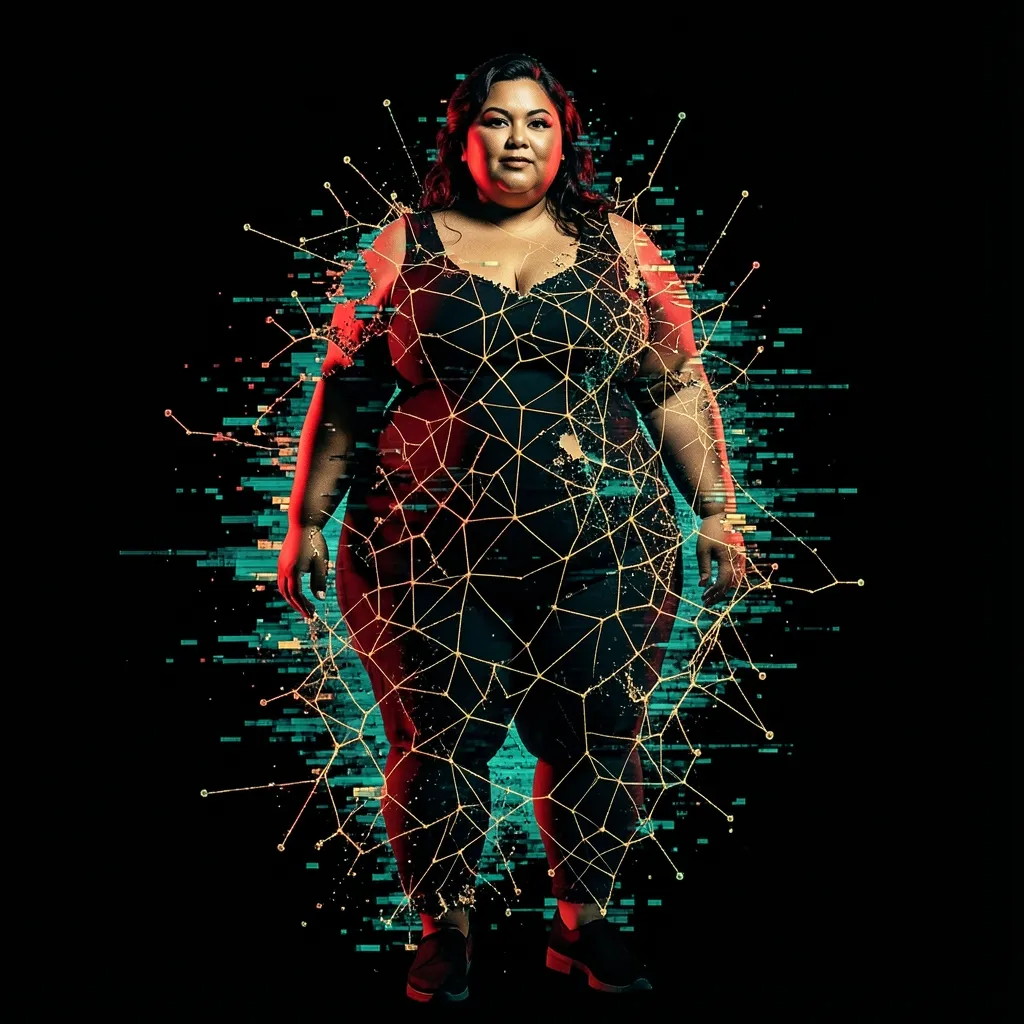
AI Image Generators Almost Never Draw "Good" People as Fat, Study Finds
A peer-reviewed study of 4,000 DALL-E 3 images found positive words like "virtuous" rarely drew fat figures, while negative ones like "greedy" often did.
 Photo by Sasha P on Pexels
Torrid's Store Count Has Dropped From 632 to 463 in a Year
The largest plus-size specialty retailer closed more than a quarter of its stores since mid-2025, and its own filings show sales kept declining.