
Socialism 2026's GLP-1 Backlash and a Marketing Campaign Both Ran on Black Voices. The Women With the Most at Stake Went Largely Unasked.
The panel's viral line checks out. What this desk couldn't find, in the coverage it could actually read, was a single Black woman quoted on the record.
Photo by Warren LeMay from Chicago, IL, United States, CC BY-SA 2.0, via Wikimedia Commons
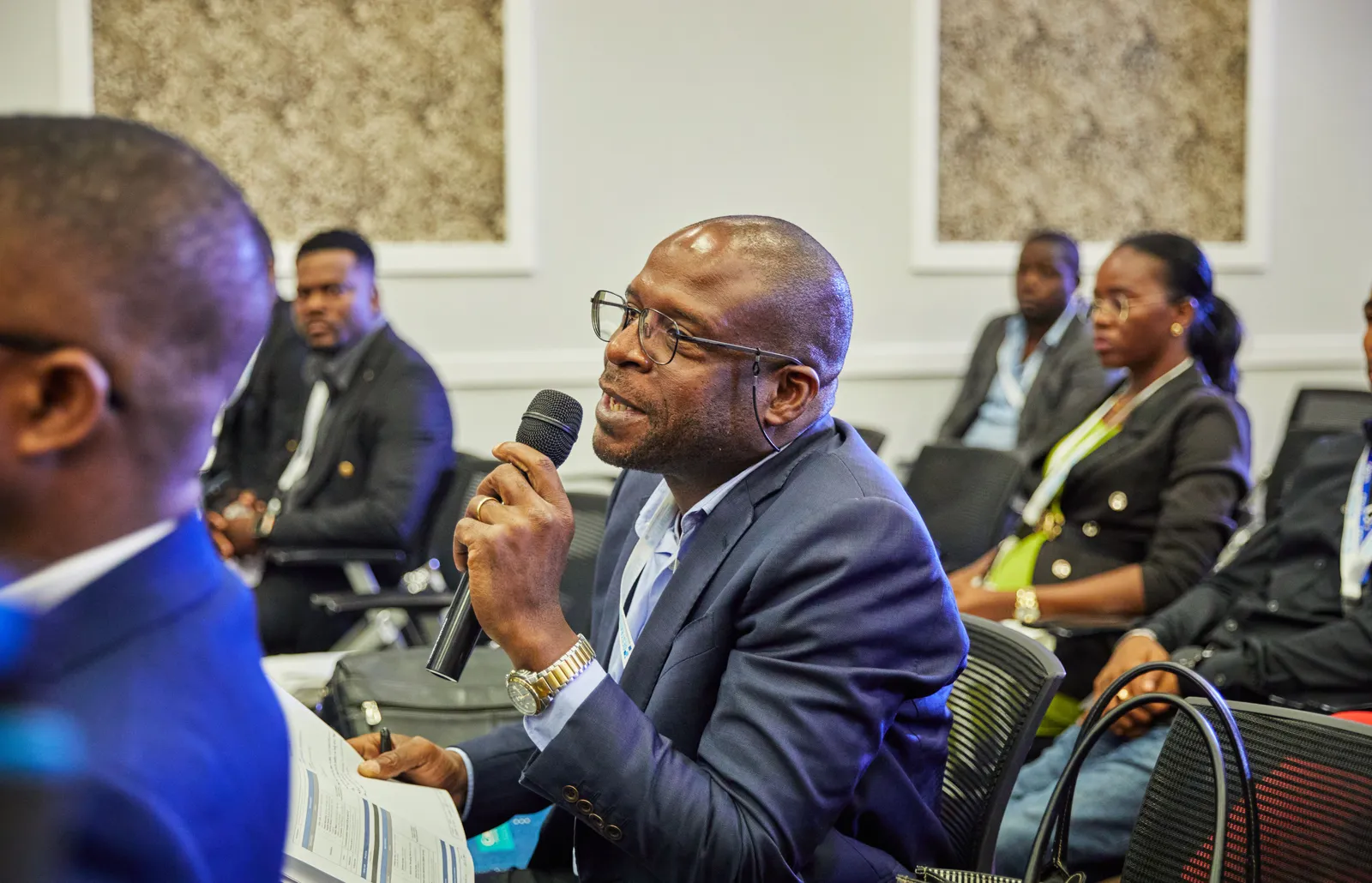
Da'Shaun L. Harrison, author of Belly of the Beast: The Politics of Anti-Fatness as Anti-Blackness, read from a chapter of a forthcoming book at Socialism 2026, Haymarket Books' Labor Day weekend conference in Chicago, on Saturday, September 5. It was a two-speaker session, "Health Fascism, Body Politics, and the Anti-State State," alongside Death Panel podcast co-host Beatrice Adler-Bolton. One sentence from Harrison's 22 minutes — "the political deployment of GLP-1s is fascistic, not because individuals take them, but because the conditions under which they become necessary are shaped by a world fixated on genociding fat people" — is the one that got out of the room. Checked against Haymarket's own recording, it's accurate, qualifier and all. What happened to it afterward is the more interesting story, and it isn't really about GLP-1s.
“GLP-1s just mark a new phase in body fascism. The political deployment of GLP-1s is fascistic, not because individuals take them, but because the conditions under which they become necessary are shaped by a world fixated on genociding fat people.”
Content, Not Argument
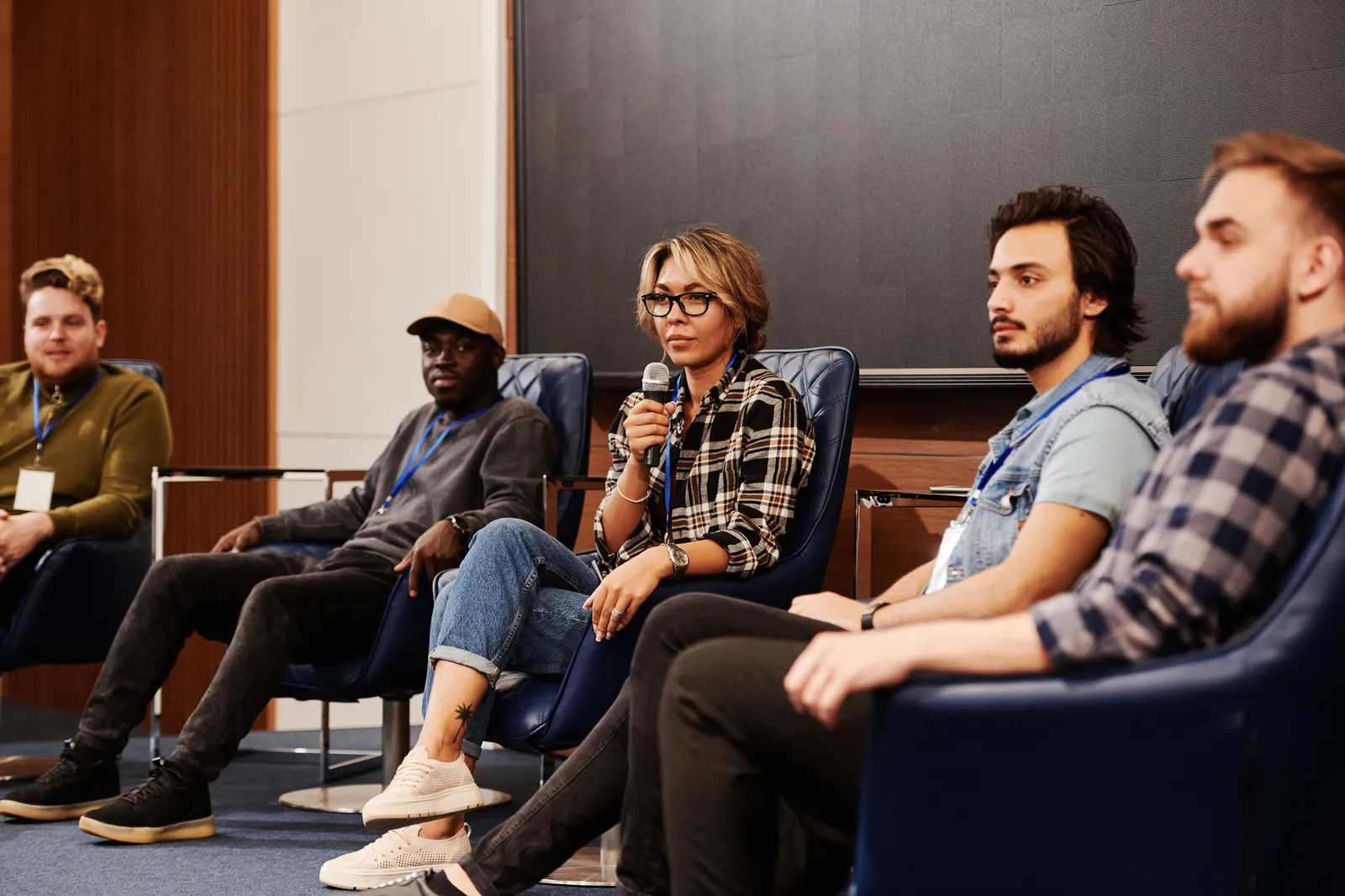

A Manhattan Institute analyst named Stu Smith clipped the line first; Fox News, PJ Media, Townhall, City Journal, and The Gateway Pundit ran with it over the following days. By September 10, a single commentary video built around the clip — posted by the libertarian commentator Brad Polumbo — had drawn roughly 204,000 views. Haymarket's own full recording of the session, the thing Harrison actually said, sat at about 9,400 views the same day — Polumbo's video alone outdrew it by roughly 22 to 1. Death Panel, the podcast that hosted the session, posted its own re-upload early "so everyone has access to the full remarks"; it had drawn 765 views. That's a distribution problem dressed up as a debate. PJ Media's headline, "Socialism Conference Speaker Says Weight Loss Is Racist and Fascist," states a claim nobody on the panel made. Several outlets, Fox among them, credited a third panelist, Artie Vierkant, who never speaks anywhere in the 54-minute recording and, Adler-Bolton says on tape, wasn't there — an error traceable to Haymarket's own uncorrected pre-event listing, not an invention. And in every headline this desk reviewed, Harrison's own qualifier — "not because individuals take them" — simply disappeared, along with Harrison's pronouns: several outlets misgendered Harrison outright, and a real slice of the comment sections that followed ran on racialized mockery of the subject itself, treating Black fat scholarship as a punchline rather than a position. Whatever is wrong with what Harrison actually argued — and there's a real case, made below, from Harrison's own record — none of that is it. A Black theorist's sentence got extracted, restated as something it wasn't, and turned into content for an audience that never intended to argue with it. That's not engagement. That's running someone's labor as content.
A Critique Worth Crediting, From Inside the Room
The most useful thing said about any of this predates the panel by three years, and it isn't Harrison's. On a July 9, 2023 episode of Harrison's own podcast, Unsolicited: Fatties Talk Back, co-host Marquisele Mercedes named something specific: Novo Nordisk's "It's Bigger Than Me" campaign — an unbranded obesity-awareness effort fronted by Queen Latifah that trade coverage at the time tied to the company's move toward direct-to-consumer advertising for Wegovy. Mercedes called the mechanism "capitalization on identity" — her term for a pharmaceutical company buying credibility by putting a Black woman's face in front of a product, and profiting on the trust that face earns whether or not the drug ever reaches the people who look like her. That's appreciation versus appropriation, aimed correctly, and it's worth crediting even from a show this magazine otherwise disagrees with on plenty: Queen Latifah's actual name and face, doing real work for a company that reports a profit either way. Say it plainly, and it holds up regardless of anything else here.
The Same Test, Applied to the Argument Itself
Nobody's exempt from that test, including the person who named it. Black women do appear in the chapter Harrison read at Socialism 2026 — as examples, not as an audience. Harrison names Whoopi Goldberg, Lizzo, Serena Williams and Oprah, alongside Tracy Morgan, as Black celebrities "who have either been accused of using these drugs or have publicly discussed or advocated for their use" — four Black women's names used to illustrate how GLP-1s moved through the culture. What never appears, anywhere in that same 22 minutes about "Black fat flesh," is the word "women" itself: not once, not "Black women," not as a group with its own stakes, culture or say in the outcome. That's this desk's own reading of the transcript, checkable the same way the celebrity names are: four Black women as data points inside someone else's news cycle — the same move Queen Latifah's face makes in the paragraph above — and no engagement with what any of it costs the women actually living it. It's worth sitting with, because Harrison has engaged Black women's culture elsewhere, and that's worth crediting too: a 2018 essay on Harrison's own site takes on the word "thick" directly, arguing that celebrities like Rihanna and Nicki Minaj get celebrated for it while women Harrison names outright — Roxane Gay among them — get stuck on the far side of that word: "there is a particular currency in thickness that is not found in fatness." That's a real observation about a real boundary, aimed at something true. But noticing a boundary problem inside a culture is not the same as crediting the culture that drew the boundary, or built the vocabulary, in the first place. Asked directly about that vocabulary in a 2023 interview, Harrison said: "I hate curvy. I hate fluffy. I hate big-boned... the only reason why we even have to create language that separates the two — thick versus fat — is because of this hierarchy that we tried to create with bodies." Read plainly, that's an argument that the words a lot of Black women use for their own and each other's bodies are themselves the mechanism of their own oppression, and should go. You can respect the pain underneath that position and still ask the question it invites: when a framework tells a culture its own vocabulary is the problem, whose language wins the argument, and whose gets filed under something to grow out of?
Read the Number, Then Ask Who's Missing
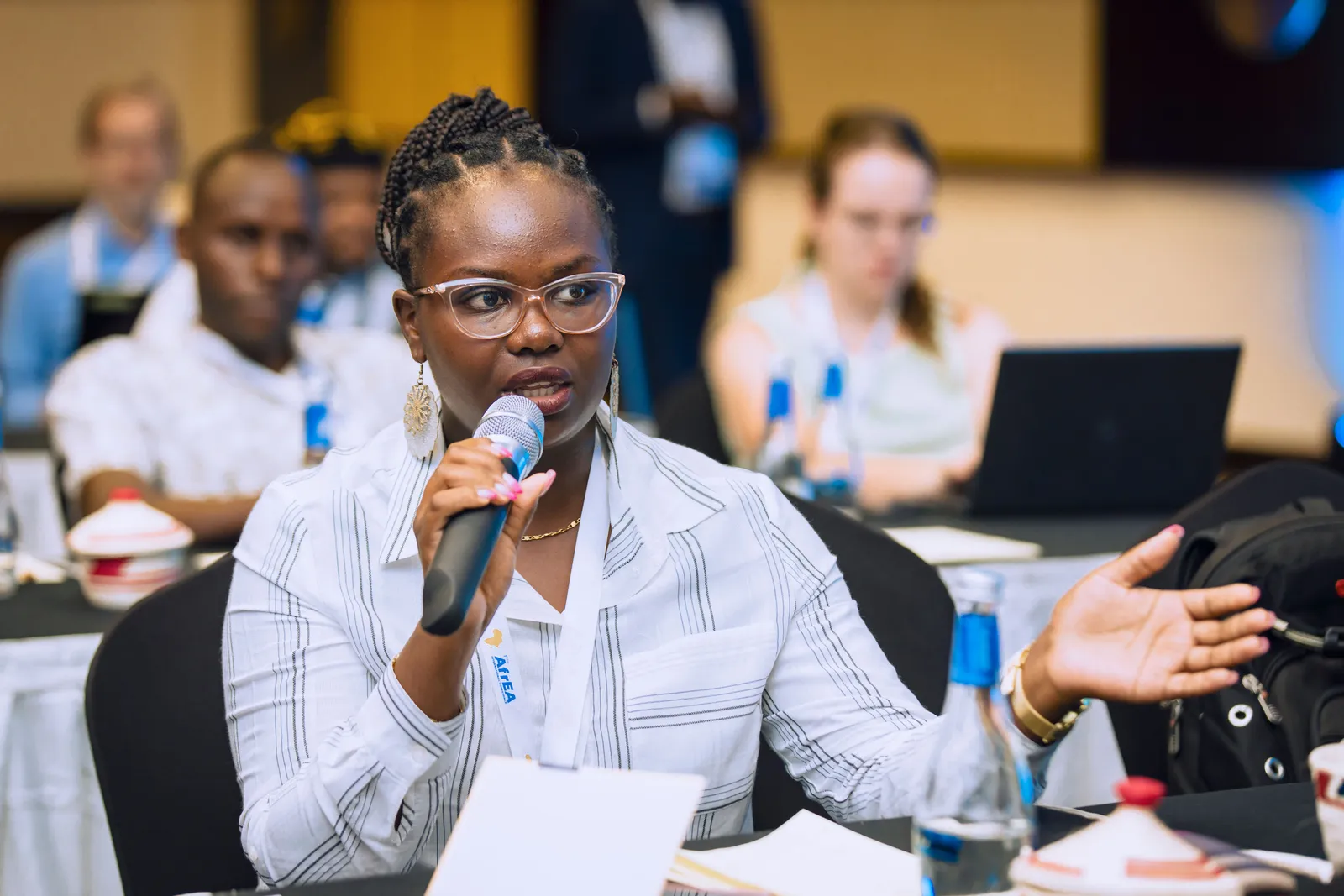
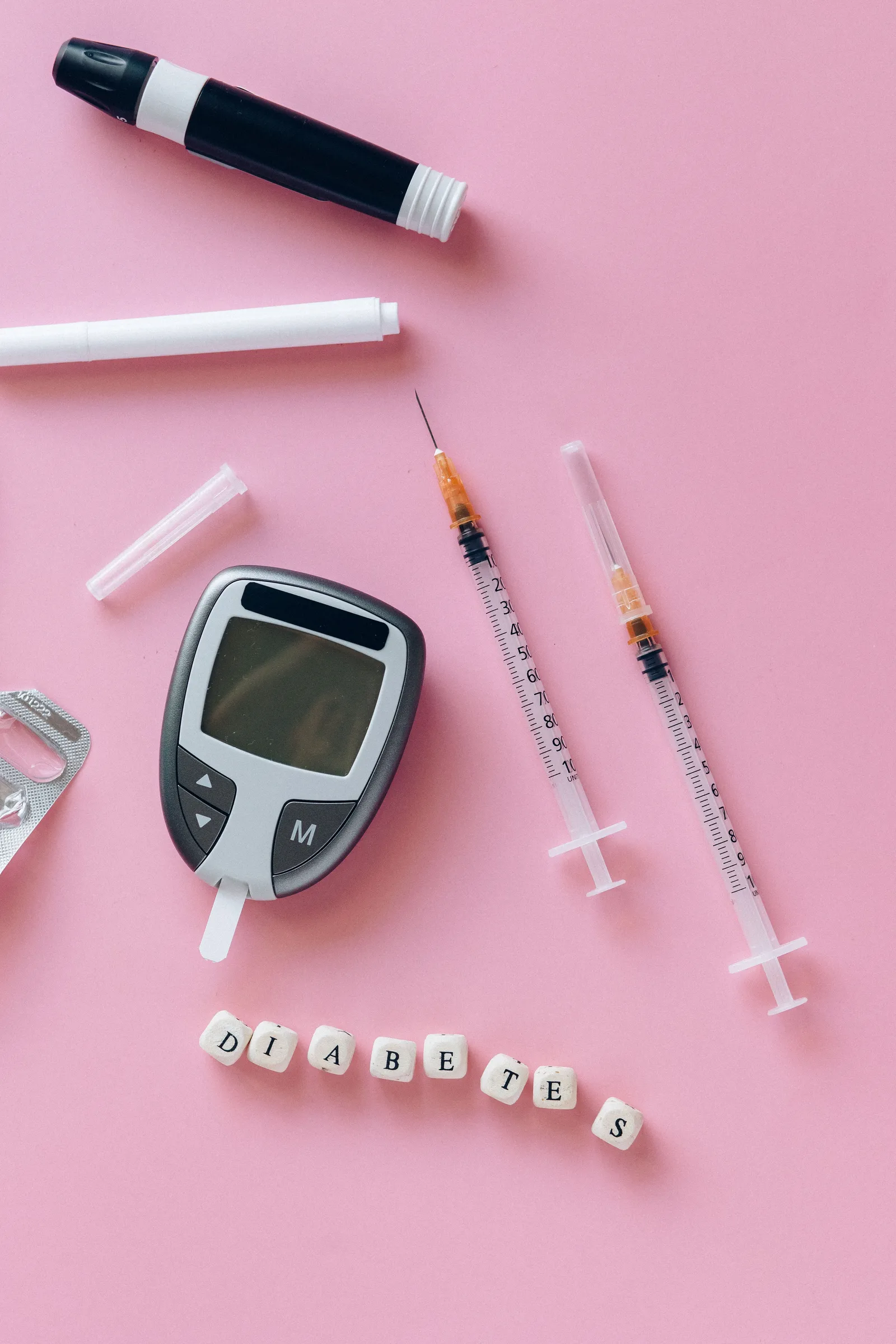
Start with the number, because it's checkable and it matters. Harrison's book excerpt, posted on Harrison's own site, states that Black people are "roughly 13 percent of the American population, but about 51 percent of America's fat population." A 2023 episode of Harrison's podcast repeats the claim, less precisely, as Black people making up "over half" of it. Neither is close. The government's own survey data puts obesity prevalence among Black adults at 52.1 percent against 40.3 percent for all U.S. adults (NCHS Health E-Stat 111, drawn from NHANES survey data through 2023), and Black Americans make up roughly one in eight U.S. adults (Census Bureau, 2024 population estimate). Run those two facts together and Black adults account for roughly one in six people in the country who have obesity — not half, and not "over half." That's still a real, disproportionate share; correcting a number that's off by a factor of three doesn't make the disparity disappear, and it lands hardest on one group in particular. NHANES puts Black women's own obesity prevalence at 56 percent as of the 2021-2023 survey cycle, the highest of any group measured, and Black adults overall carry the highest hypertension rate in the country, at 58 percent. Coverage for the drugs that treat both is narrowing, not widening: Cigna, Starbucks, and PepsiCo dropped GLP-1 coverage for weight loss from their own employees' health plans in 2026, and several state Medicaid programs cut it the same year. That's the group with the most exposure to both the disease and the coverage cuts — and it's the group this desk could not find quoted anywhere in a week of reaction to this panel: not in the commentary videos and not in the print pickups this desk read. That doesn't prove nobody asked. It means nobody this desk could find did. Across the seven pieces of coverage checked closely enough to say who was actually quoted in them — Fox News, PJ Media, Townhall, City Journal, The Gateway Pundit, The Hill's Rising segment, and Brad Polumbo's commentary video — Harrison and Adler-Bolton get quoted, and so, on the critical side, do Jonathan Alpert, Robby Soave and Niall Stanage. Not one Black woman is quoted in any of them.
Related Stories
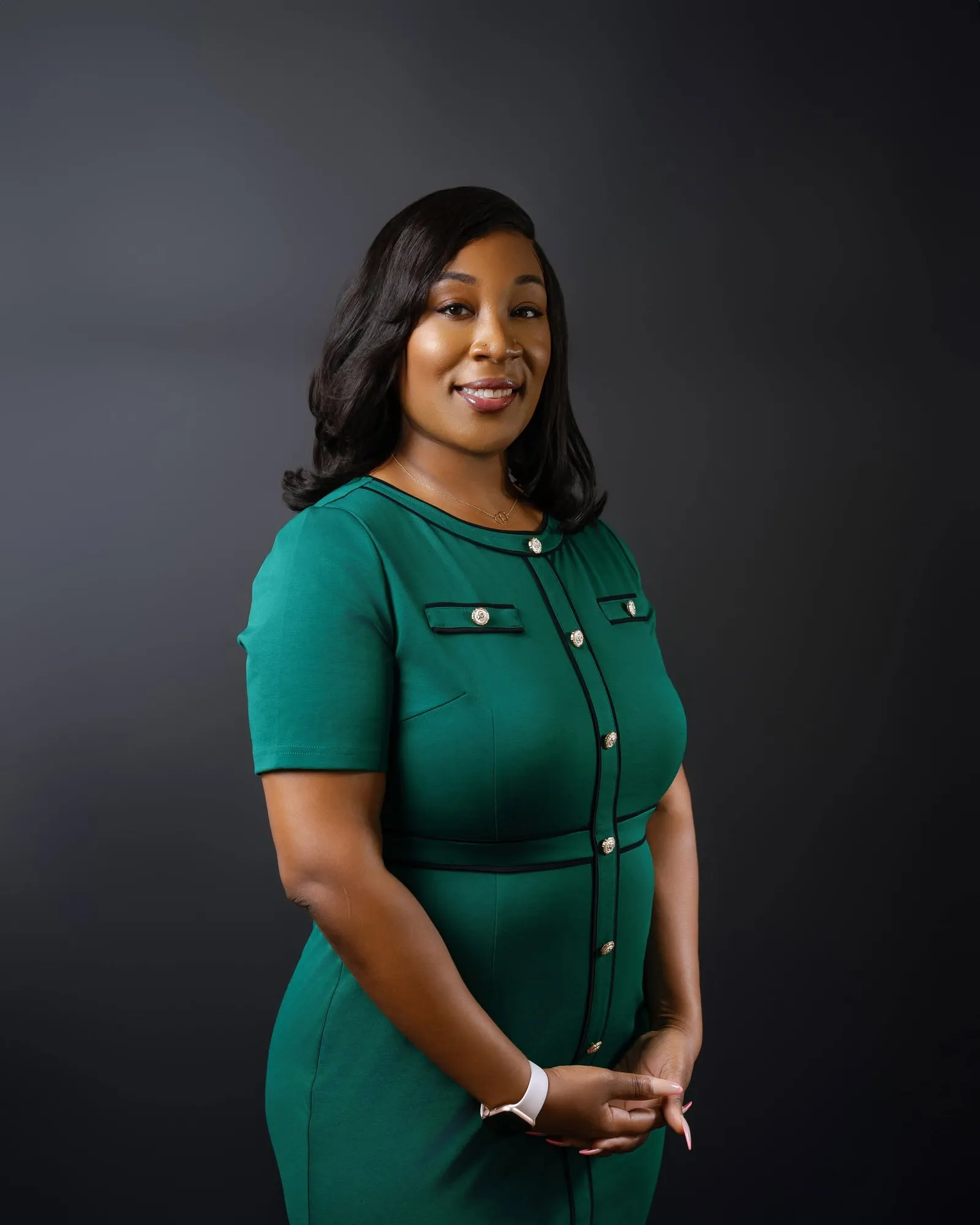 Photo courtesy of the Ebony Williams for Judge campaign
Ebony Williams Couldn’t Afford Housing After Law School. Now She’s on the Ballot for the Court That Hears Eviction Appeals.
The Houston attorney unseated a two-term incumbent by 33 points in March, campaigning on one idea: that people who show up without a lawyer should be able to understand what is happening to them.
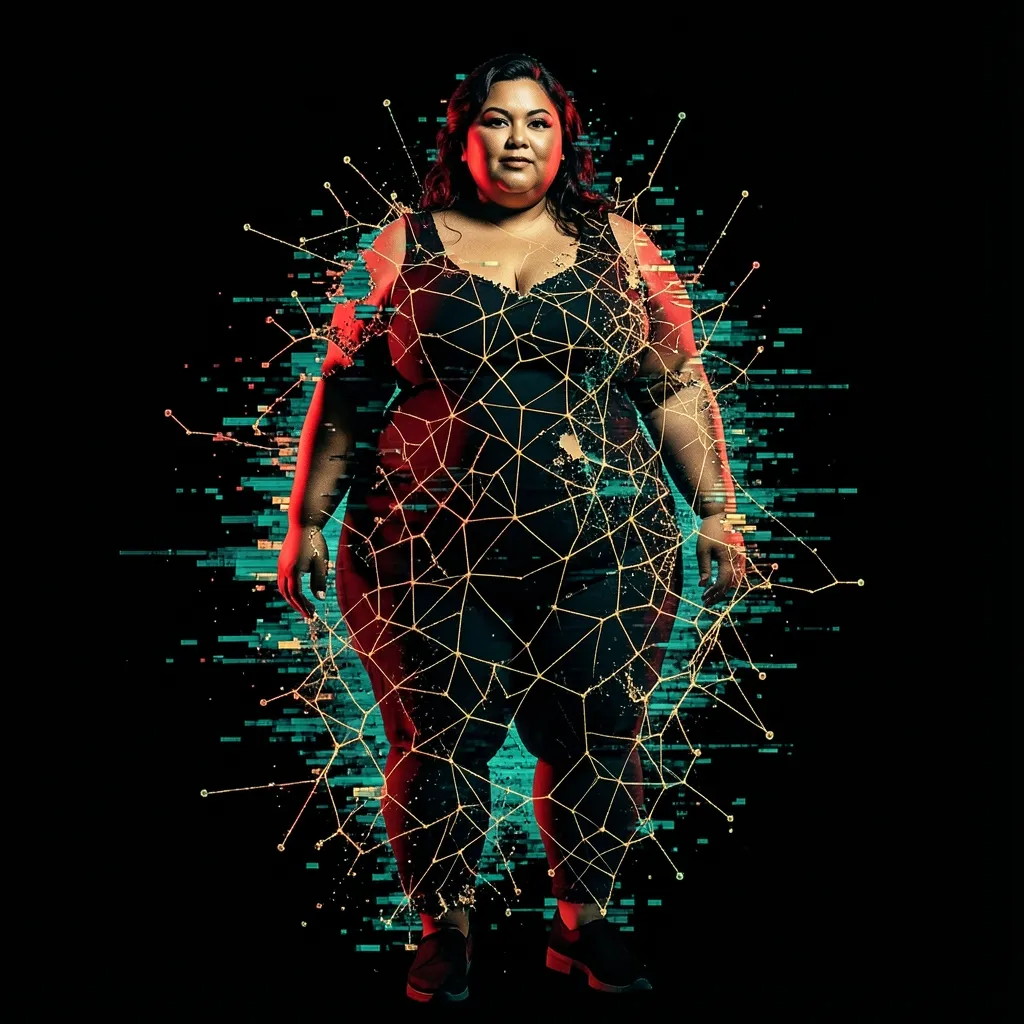
AI Image Generators Almost Never Draw "Good" People as Fat, Study Finds
A peer-reviewed study of 4,000 DALL-E 3 images found positive words like "virtuous" rarely drew fat figures, while negative ones like "greedy" often did.
 Photo by Sasha P on Pexels
Torrid's Store Count Has Dropped From 632 to 463 in a Year
The largest plus-size specialty retailer closed more than a quarter of its stores since mid-2025, and its own filings show sales kept declining.