

Two Years After Stopping GLP-1s, Epic Says Most Patients Held. It Calculated "Stopping" From Refills.
Epic Research counted 188,722 patients as having stopped a GLP-1. Its two-year tirzepatide figure rests on 145 of them.
Photo by Artem Podrez on Pexels
The question that actually governs the decision to start a GLP-1 is whether you have to stay on it forever, and one of the largest attempts to answer it followed 188,722 patients for two years. Epic Research, the research arm of the electronic health record company Epic, published it on September 9, 2025. At 24 months after stopping, it reports, 56.1 percent of semaglutide patients, 55.2 percent of tirzepatide patients, and 51.9 percent of liraglutide patients had held their weight loss or lost more, while complete regain — putting back all of the weight lost on the drug — ran at 23 percent, 21 percent, and 27 percent, in the same order. Those are real figures out of a real dataset. They are also the answer to a question Epic had to define before it could ask it, because not one patient in this study told a researcher she had stopped. The date she stopped was computed, and Epic publishes the arithmetic.
What Epic Measured, and in Whom
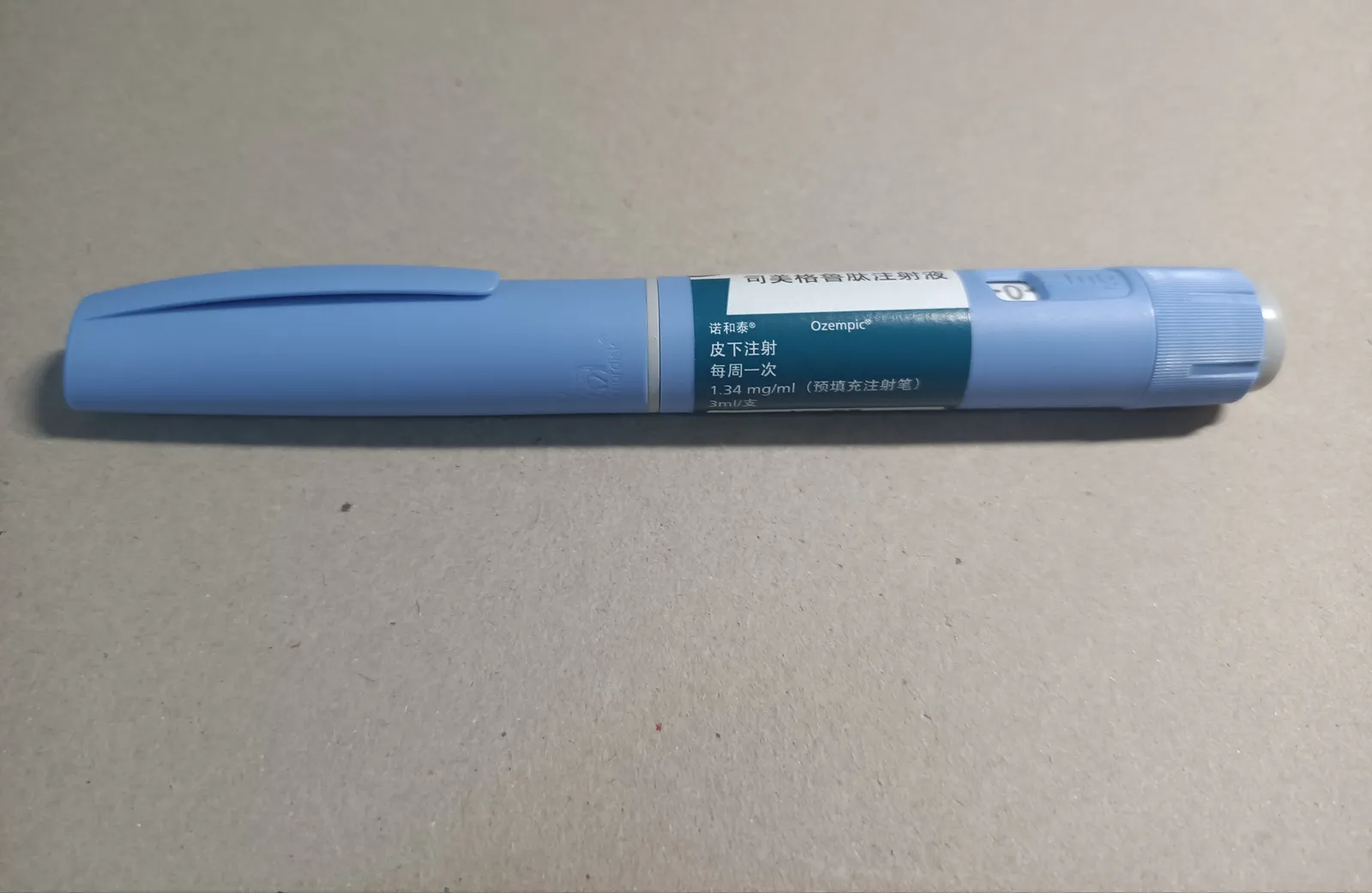
The analysis is a retrospective cohort study drawn from Cosmos, Epic's aggregated patient-record dataset — a design that follows one group of people over time with no comparison group doing anything else, so it can describe what happened and cannot establish what caused it. To be counted, a patient had to have been prescribed semaglutide, liraglutide, or tirzepatide for at least 90 days, to have lost at least 5 pounds while on it, to have a weight on record within 30 days of starting and within 30 days of stopping, and to have at least one further weight reading between one and 24 months after treatment ended. The study period runs from January 1, 2017 to July 1, 2025. Patients with a thyroid diagnosis, an eating-disorder diagnosis, or a pregnancy in the window were excluded outright, and anyone who restarted a GLP-1, began another weight-loss drug, or had bariatric surgery was censored from that point on. What the study is not is peer-reviewed. Epic Research describes itself as a public benefit corporation and "a subsidiary of, and funded by, Epic"; it publishes on its own site, vets each brief with two independent internal teams and a panel of additional reviewers, and does not send it to a journal. Epic sells record software rather than drugs, so the manufacturer conflict that shadows a good deal of GLP-1 research does not apply here. Neither of those things is a reason to discard the figures. Both are reasons to keep Epic's name attached to every one of them.

Here is how Epic arrived at a patient's stop date, quoted from the data-definitions table it publishes alongside the brief: "Calculate the date following the last end date of GLP-1 agonist drug represented by the end date calculated based on the number of refills as (refills + 1) * 28 after the treatment start date." Read plainly: take the day treatment started, count the refills written on the prescription, add one, multiply by 28 days, and call the result the day the patient stopped. That is a research method for turning a pharmacy record into a date. It assumes that every fill covered 28 days and that fills ran consecutively, so a patient who stretched a pen, skipped a month, or had a fill arrive late is assigned a stop date by arithmetic rather than by anything she did. Epic's own companion analysis, published on August 13, 2026, makes a different assumption about the same kind of record — it treats each order or fill as covering 60 days, and counts a gap of more than 60 days as the end of treatment. Both are defensible. They are not the same number of days, and neither one is an observation.
“It's also possible that some patients may have achieved their weight loss goals and felt they no longer needed the medication. Our study did not specifically investigate the reasons for discontinuation, so further research would be needed to answer this question definitively.”
The Two-Year Figures Rest on Far Fewer People

The 188,722 is the size of the cohort at the door, not at the finish. Epic publishes its month-by-month tables, and the number of patients still contributing a weight reading falls steeply across them. Semaglutide starts with 68,754 patients one month after the calculated stop date and ends with 2,650 at month 24. Liraglutide goes from 11,580 to 1,268. Tirzepatide goes from 12,909 to 145. So the 55.2 percent of tirzepatide patients who held or improved at two years is 55.2 percent of 145 people, which is 80 of them, and the 21 percent who regained it all is 31 people. The month-24 row is roughly half the size of the month-23 row in all three drugs, which is what the edge of a study window looks like. Epic states its own selection limit in the same document, and it is worth reading twice: "We allow a patient to be included in each month, using their highest weight in that month. Patients who have repeated weight measurements might be the extremes of weight change." That is the study saying, of the people it measured, that they may not be typical of the people it counted. One further thing in that document does not reconcile. The brief says 188,722 patients, and the three drug rows of Epic's own study-population table — 139,972 semaglutide, 25,373 tirzepatide, and 23,377 liraglutide — sum to exactly that. The Total row immediately above them reads 323,782, which is also what the same table's weight-lost and diabetic-status rows sum to. Nothing in the brief or its data definitions accounts for the difference.
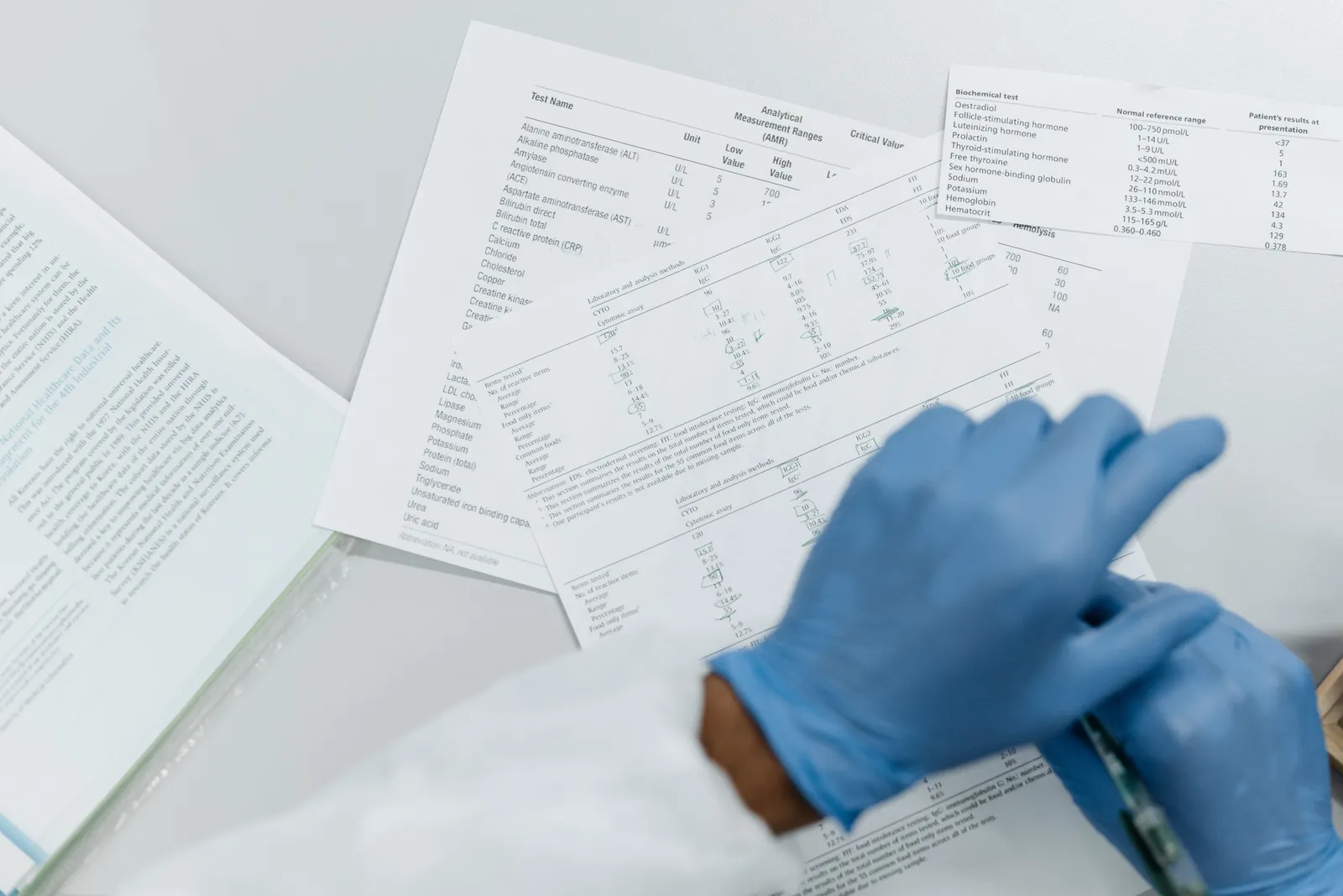
None of this makes the trial literature agree with Epic. A systematic review and nonlinear meta-regression of six randomized trials covering 3,236 participants, published in eClinicalMedicine on March 4, 2026 by Budini and colleagues at the University of Cambridge, found that about 60 percent of the weight lost on a GLP-1 returned within a year of stopping, leveling off at an estimated 75.3 percent, with a 95 percent confidence interval of 68.9 to 81.6. That is peer-reviewed evidence from randomized trials, the strongest design available, and it does not simply contradict Epic — the trials measure what share of the lost weight came back, and the real-world studies measure whether an individual's weight rose at all, a distinction this outlet set out on August 18, 2026, in "Retail's GLP-1 Forecast Assumes the Weight Stays Off. The Evidence Still Doesn't Agree." A second year of Epic data has not closed that gap, because the second year is built on the same definition as the first. Two other Epic analyses sit alongside this one and answer different questions again. The August 13, 2026 brief is not a discontinuation study at all: it followed 25,213 adults without diabetes who stayed on semaglutide or tirzepatide continuously, and it carries Epic's own caution that "patients were followed only while on the GLP-1, so later checkpoints are enriched for adherent responders (survivor bias) and reflect weight trends among continuing users, not all initiators." A third Epic analysis, from June 13, 2024, is a retrospective Cosmos study of 25,552 semaglutide patients and 33,456 liraglutide patients, with no tirzepatide group, and it found those who started at a higher BMI or lost more while on the drug were likelier to hold the loss a year later — a finding to read with the outcome definition in view, since Epic's "complete regain" means putting back 100 percent of whatever was lost, and 100 percent of 5 pounds is a lower bar than 100 percent of 40.
Related Stories
 Photo by Haberdoedas Photography on Pexels
The Muscle Warning About GLP-1s Leaves Out What the Placebo Group Did
In SURMOUNT-1's body-composition substudy, about a quarter of the weight lost was lean mass — in the tirzepatide group and the placebo group alike.
 Photo by Mikhail Nilov on Pexels
Cigna Stopped Covering Its Own Employees' Weight-Loss Drugs in July. Starbucks Follows in October.
PepsiCo has made the same cut. The employer survey behind the trend traces to one source, and its own numbers don't quite match what's being repeated.
 Photo by Pavel Danilyuk on Pexels
GLP-1 Use Hits 11 Percent of U.S. Adults, Gallup Finds. Cost Drove Most of the Switch to Compounded Versions.
Gallup's new poll puts current GLP-1 use at 11 percent of U.S. adults, up from 3 percent in 2024, and finds cost drove most switches to compounded versions.