
GLP-1 Use Hits 11 Percent of U.S. Adults, Gallup Finds. Cost Drove Most of the Switch to Compounded Versions.
Gallup's new poll puts current GLP-1 use at 11 percent of U.S. adults, up from 3 percent in 2024, and finds cost drove most switches to compounded versions.
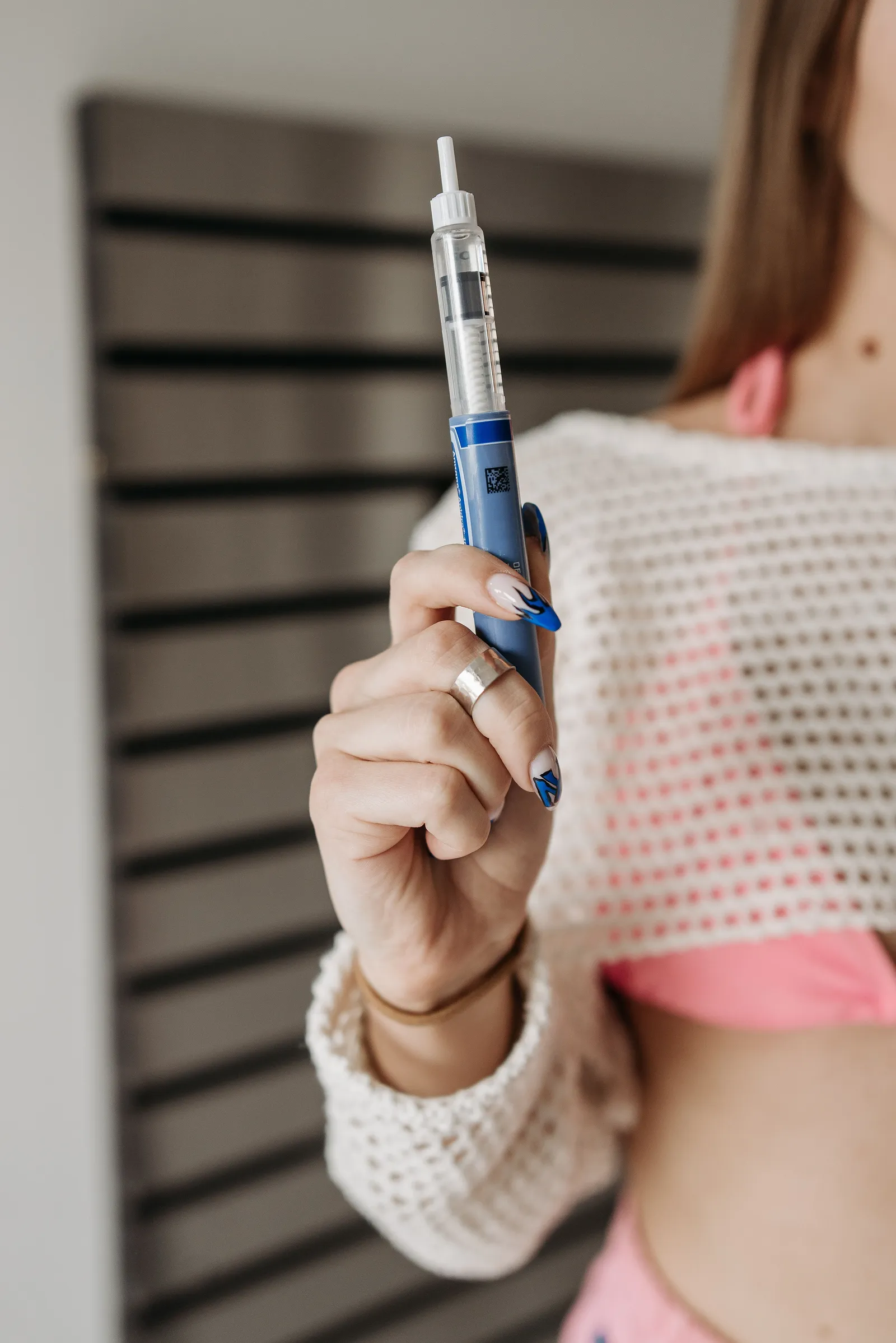
Photo by Pavel Danilyuk on PexelsAsk people currently on a compounded GLP-1 — the pharmacy-mixed version, not the brand name with all the advertising — how well it's working, and they rate it at least as effective as brand-name users rate theirs, according to Gallup's new polling: 38 percent of compounded users call it "extremely effective," against 33 percent of brand-name users. That's a self-reported opinion, not a clinical finding, and the five-point gap isn't necessarily a real one — Gallup's own release puts the margin of error for these subgroups as high as plus or minus 10 percentage points for compounded users, wider than the gap itself, so the poll shows compounded users aren't rating their drug worse than brand-name users do; it doesn't show they're rating it better. Compounded GLP-1s are also not FDA-approved — the FDA says it does not review compounded drugs for safety, effectiveness, or quality before they reach patients, unlike the brand-name versions — so a self-reported satisfaction score isn't evidence the two are clinically equivalent, only evidence of what people taking them said. That comparison sits inside a much bigger number: one in nine U.S. adults — 11 percent — is currently taking a GLP-1 drug for weight loss, up from 3 percent just two years ago. Gallup put the question to 5,065 adults on its probability-based Gallup Panel between May 28 and June 5, 2026, with a margin of error of plus or minus 1.5 percentage points for the full sample, weighted to population targets on age, gender, race, ethnicity, education, and region. Overall, 15 percent say they have used one at some point — a nine-point jump in lifetime use — and 90 percent are now aware the drugs exist, up from 80 percent in 2024.
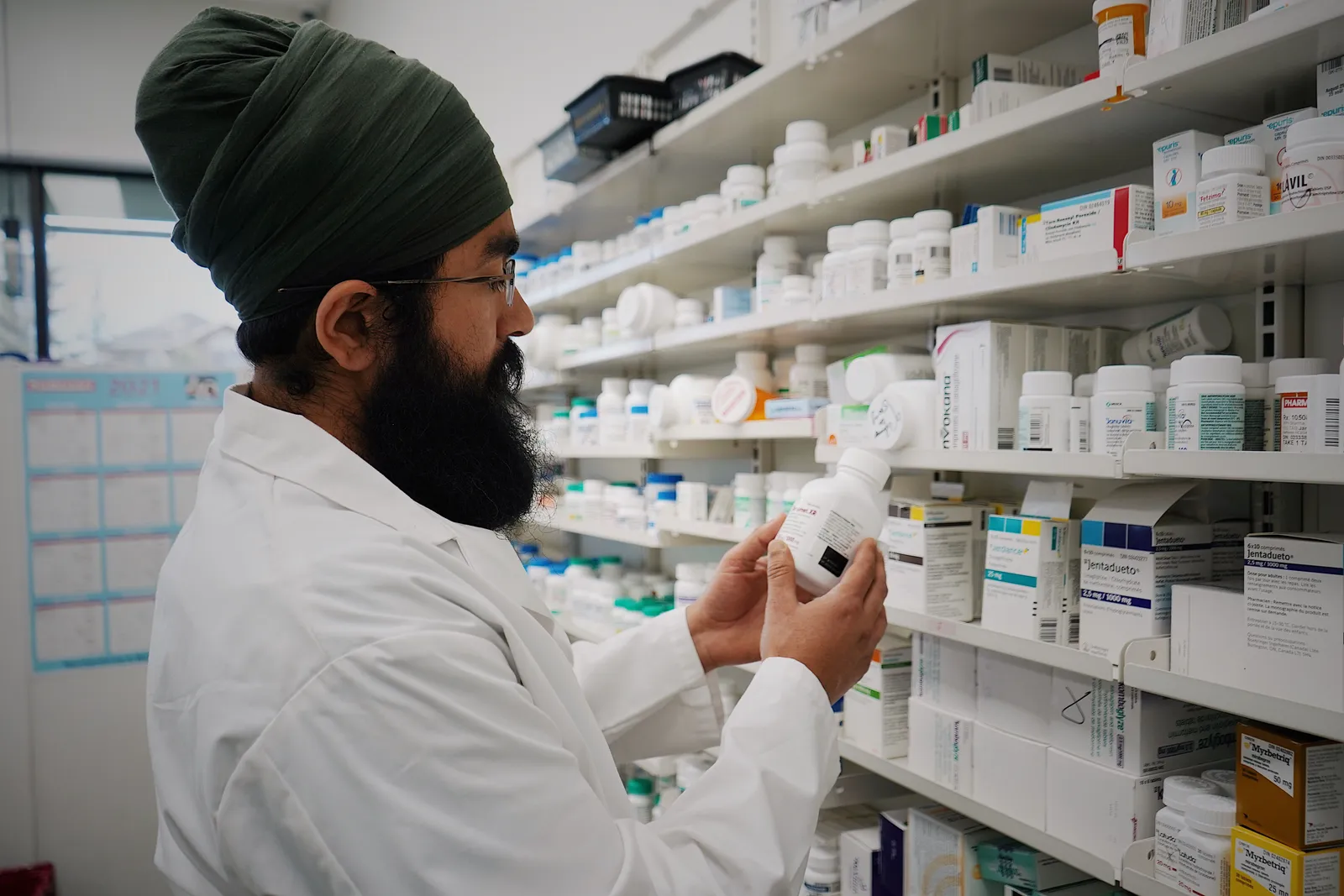
This magazine's own GLP-1 coverage has run for a year without ever printing this number. We've reported that Target and Old Navy cut extended sizes as usage climbed, that a widely cited two-year discontinuation study rests on a far smaller group of patients than its headline figure implies, and that Cigna and Starbucks have pulled GLP-1s from their own employee health plans — all built on an assumption about how many people are actually on these drugs that no piece here had ever put a number to. Gallup's new release is that number: not a retailer's inventory model or an insurer's survey of its own members, but a poll that asked a nationally representative sample of adults directly.
What the obesity numbers do — and don't — establish
Gallup draws its obesity and diabetes figures from a broader 2026 sample that combines two field periods — February 28 through March 3, and May 28 through June 5 (the same window as the GLP-1 usage poll, though the questions differ) — totaling 10,091 adults. Self-reported obesity came in at 36.8 percent, down from a peak of 39.9 percent in 2022, and self-reported diagnosed diabetes came in at 12.8 percent, the first reading under 13 percent since 2022. Both figures rest on what people say about their own height, weight, and diagnoses, not a clinical exam, and Gallup's own write-up says as much: a "vanity effect" in self-reported height and weight, it notes, "may explain why Gallup's obesity estimates are typically somewhat lower than those obtained from studies that use randomized clinical measurements." The most recent measured national figure — the CDC's National Health and Nutrition Examination Survey, which weighs and measures people in a mobile exam center rather than asking them — put adult obesity at 40.3 percent for August 2021 through August 2023, the most recent cycle with published results. That's an earlier, differently measured window than Gallup's, so the two numbers aren't a clean before-and-after. What they do show is that self-report tends to read lower than a tape measure, on both ends of the timeline. Gallup itself doesn't claim the drugs caused the decline. It describes obesity as continuing "to inversely track with increased usage of GLP-1 medicine nationally" — a description of two lines moving in opposite directions over the same years, not a study built to test whether one caused the other.
Who's priced out of the version getting all the advertising
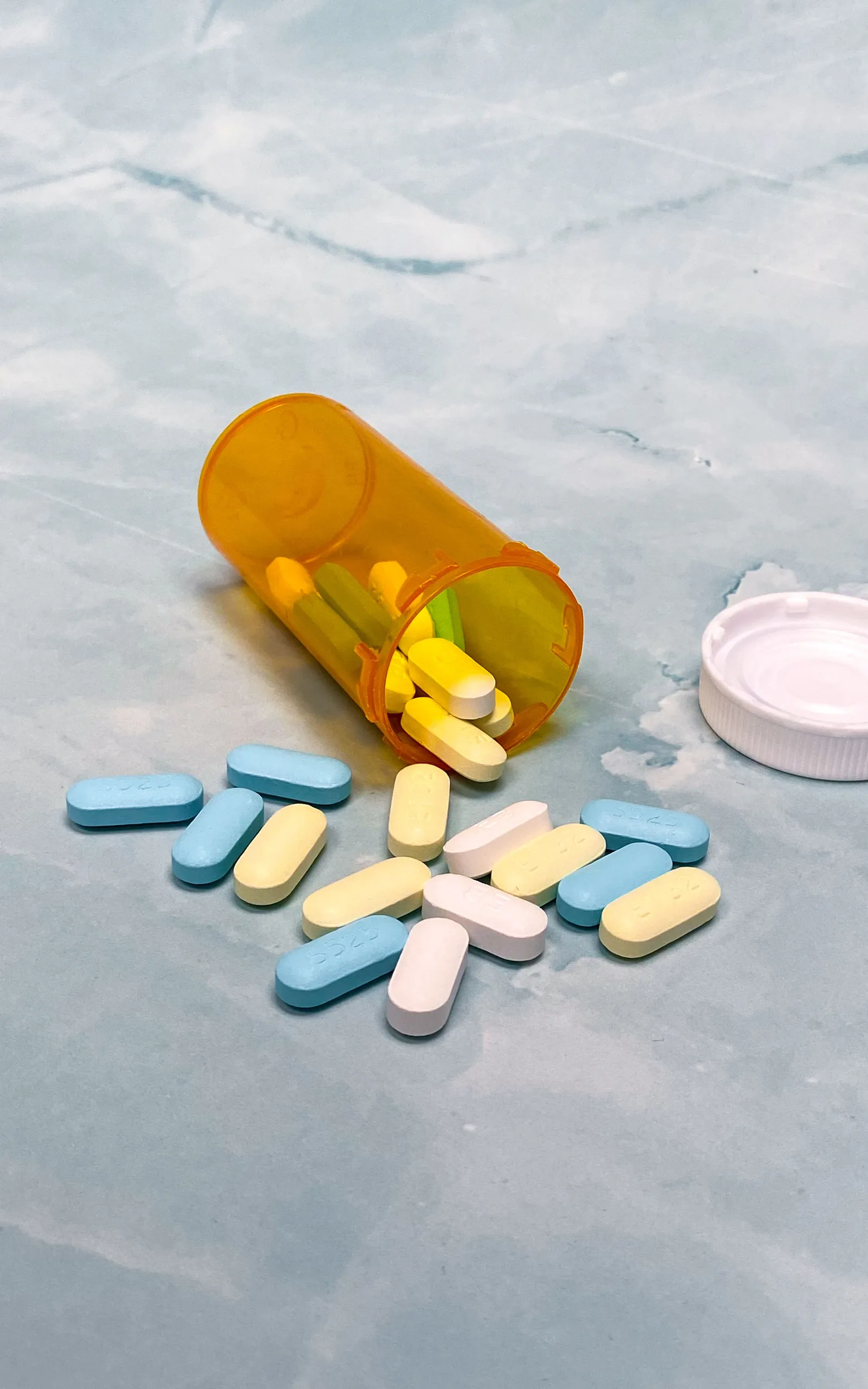
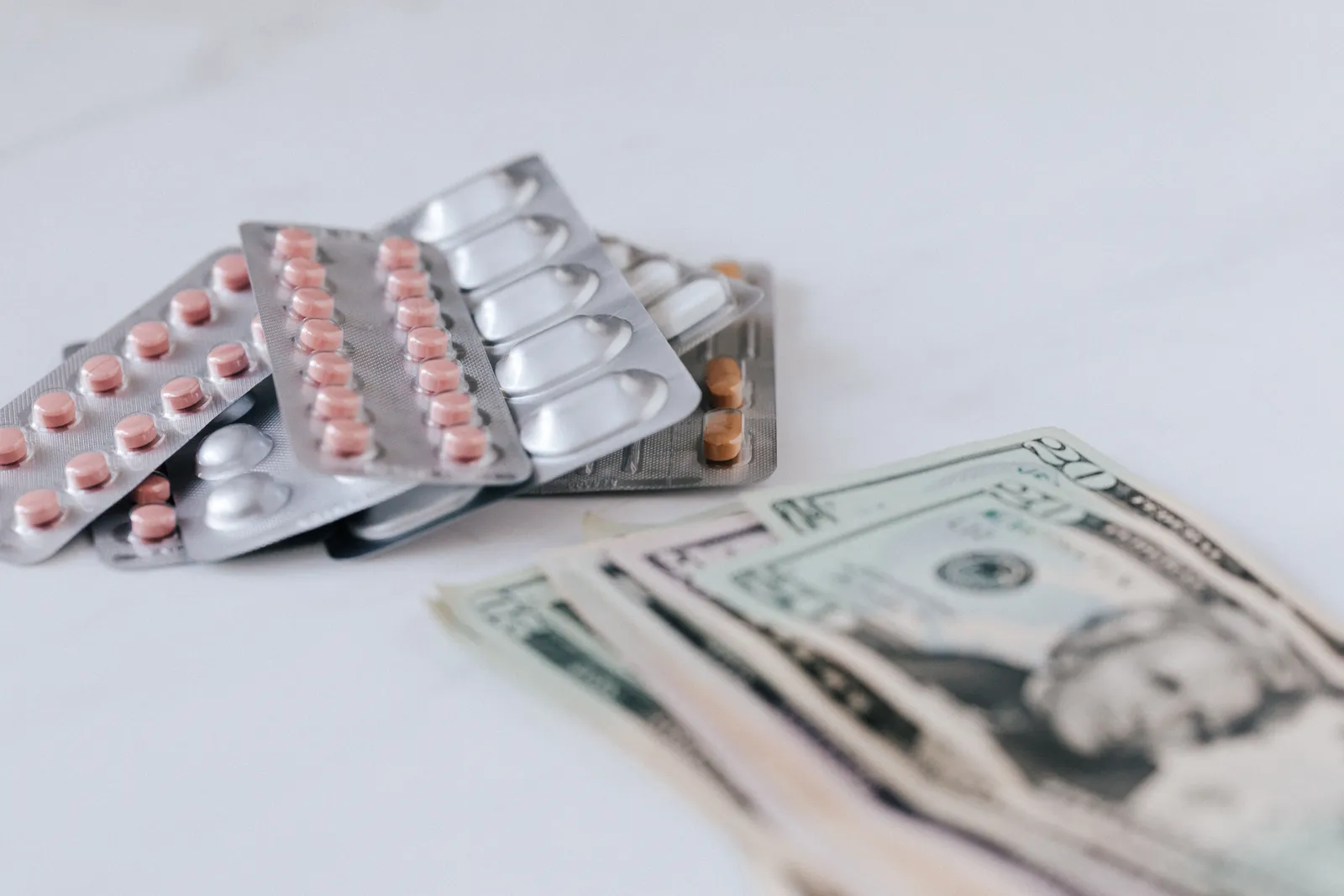
Among current users, 66 percent are on a brand-name drug, 18 percent are on a compounded or custom-mixed version, and 13 percent aren't sure which they're taking. The compounded group isn't settling for less, at least by its own account: 38 percent call their medication "extremely effective," against 33 percent of brand-name users — a gap within Gallup's own stated margin of error for these subgroups, so read as "not rated worse," not "rated better" — and 80 percent rate it effective or extremely effective overall, against 74 percent for brand-name. More than a third of current compounded users, 36 percent, say they switched from a brand-name drug; only 11 percent moved the other way, from compounded back to brand-name. Asked why they made that switch, 53 percent of the people who moved to a compounded version — more than half — pointed to cost or insurance coverage. That's the receipt behind something that nearly every GLP-1 piece this desk has run this year has implied but never proved: the heavily marketed, brand-name version of this story is not the version a meaningful share of actual users are on — and for most of the people who left it, the reason was what it cost, not a preference for something else.
Related Stories
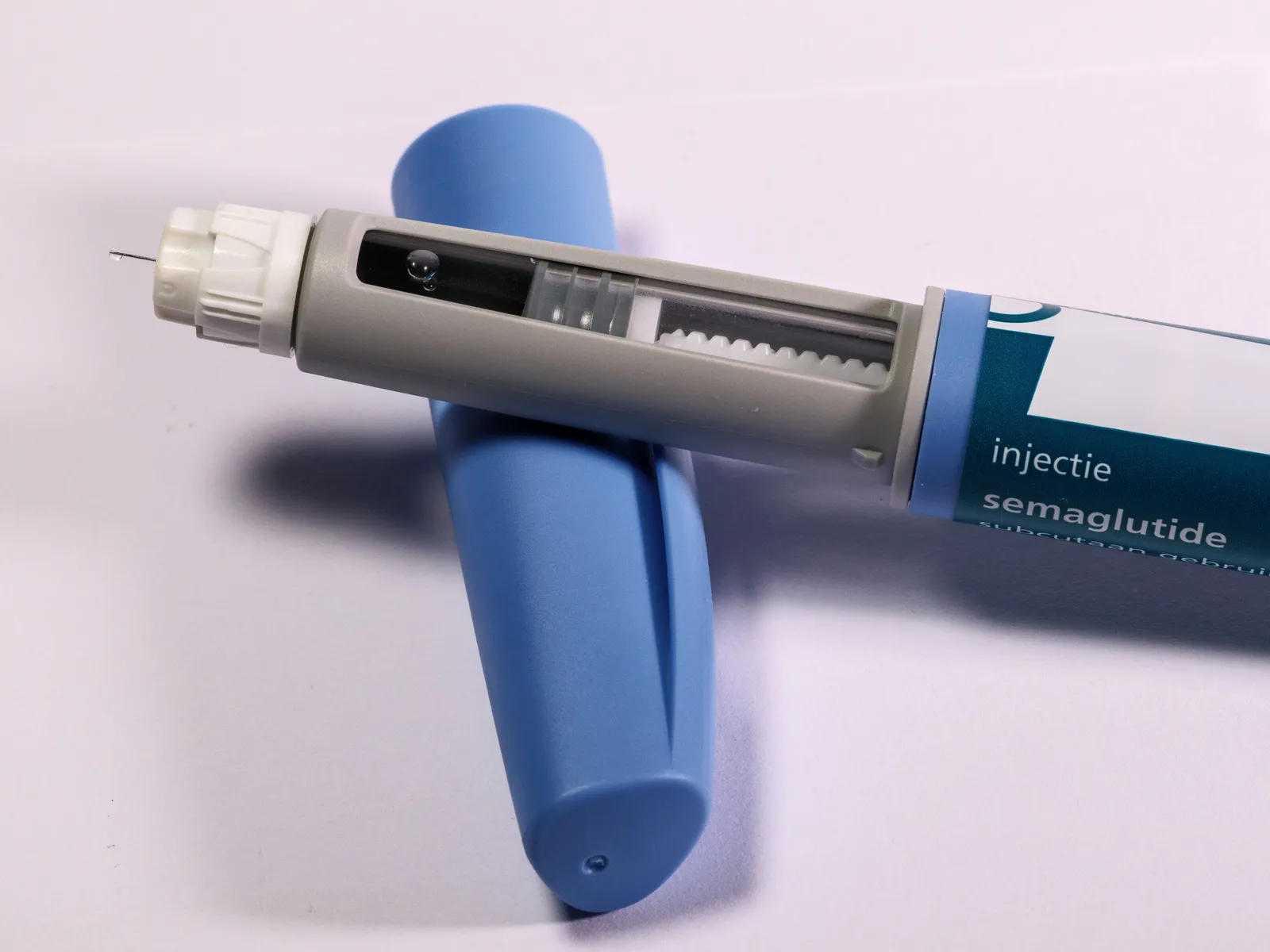 Photo by Haberdoedas Photography on Pexels
The Muscle Warning About GLP-1s Leaves Out What the Placebo Group Did
In SURMOUNT-1's body-composition substudy, about a quarter of the weight lost was lean mass — in the tirzepatide group and the placebo group alike.
 Photo by Artem Podrez on Pexels
Two Years After Stopping GLP-1s, Epic Says Most Patients Held. It Calculated "Stopping" From Refills.
Epic Research counted 188,722 patients as having stopped a GLP-1. Its two-year tirzepatide figure rests on 145 of them.
 Photo by Mikhail Nilov on Pexels
Cigna Stopped Covering Its Own Employees' Weight-Loss Drugs in July. Starbucks Follows in October.
PepsiCo has made the same cut. The employer survey behind the trend traces to one source, and its own numbers don't quite match what's being repeated.