
Mitrice Richardson Was Released Alone at 12:28 A.M. — What Los Angeles County's Own Record Admits
An honors psychology graduate was booked over an $89 tab, then let go into Malibu Canyon with nothing. Seventeen years on, the case is still open.
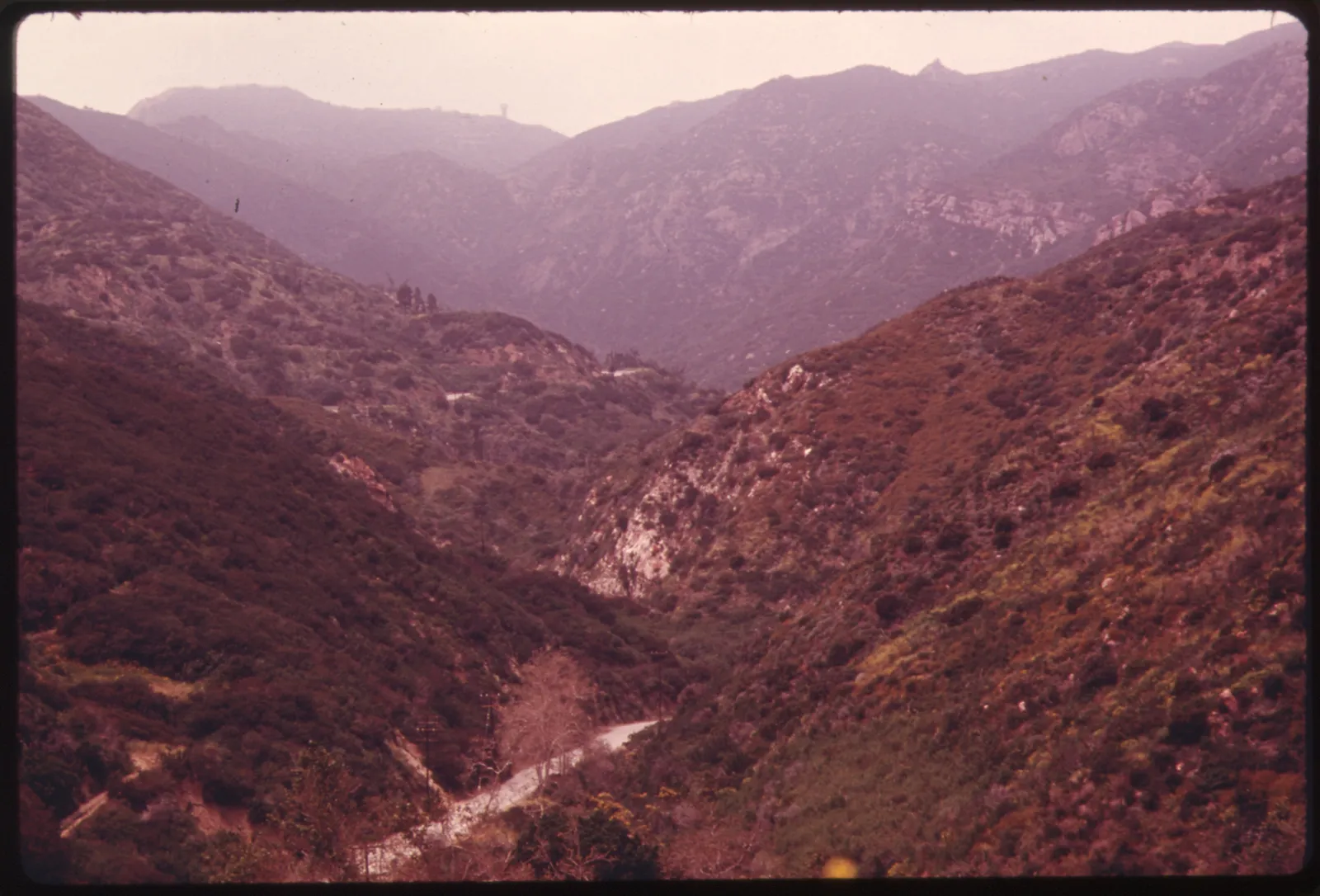
Photo by Charles O'Rear, Public domain, via Wikimedia CommonsAt 12:28 a.m. on September 17, 2009, deputies at the Lost Hills/Malibu sheriff's station opened the door and let Mitrice Richardson walk out alone. She was 24, an honors psychology graduate of California State University, Fullerton, arrested the night before over an unpaid $89 tab at a Malibu restaurant. She left with no phone, no identification, no cash and no car — all of it locked inside the vehicle deputies had just towed. She had no way to call anyone: the Lost Hills station sits roughly ten miles up Malibu Canyon, in an area her mother would later describe as a place that effectively shuts down after 9 p.m. No one has ever been charged in connection with what happened to her next. Eleven months later, what was left of her was found in a creek bed a few miles from the station that let her go.
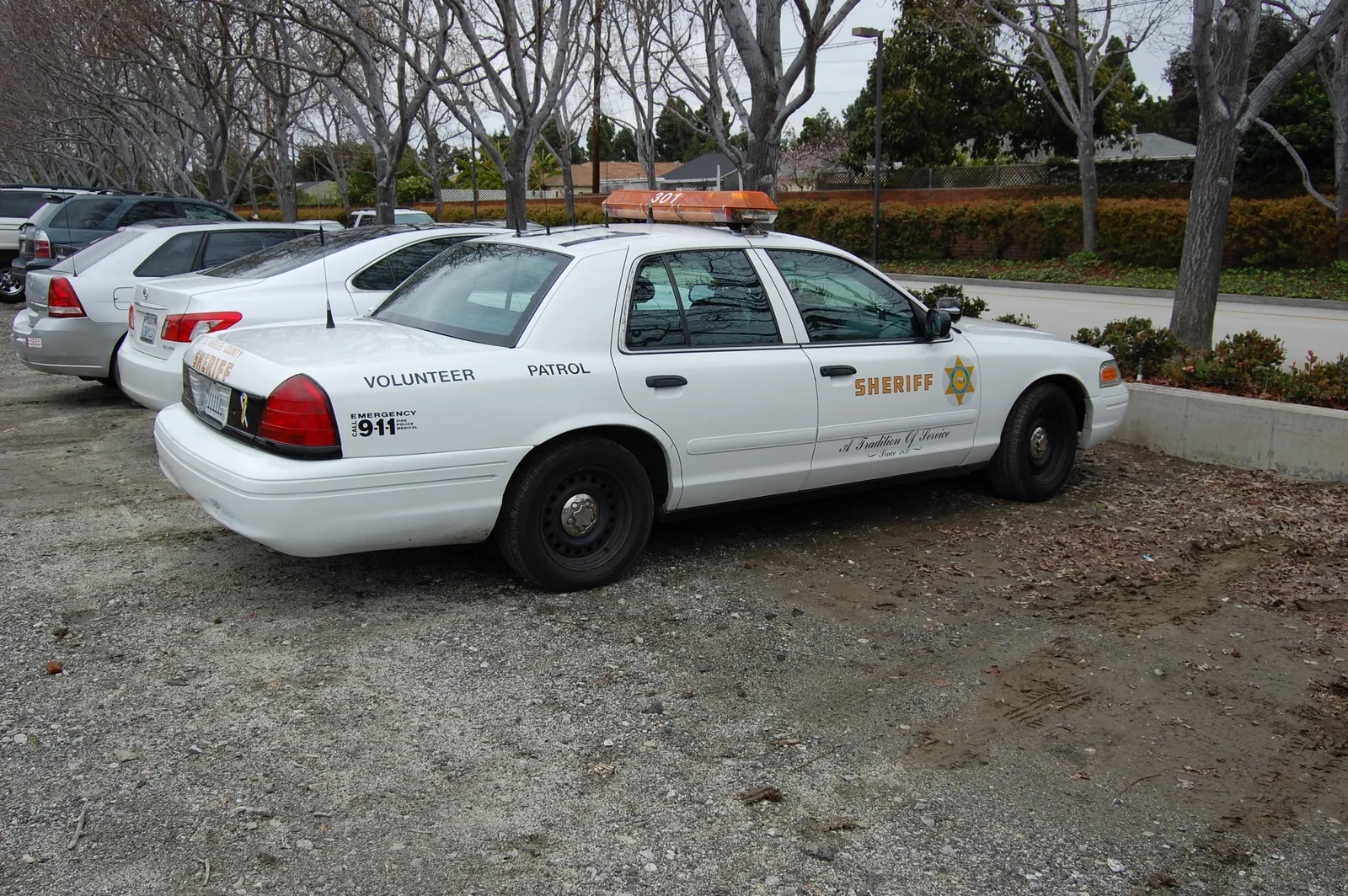
Richardson entered the parking lot of Geoffrey's restaurant in Malibu on the evening of September 16, 2009, behaving in a way staff described as erratic. Deputies gave her a field sobriety test and found she wasn't intoxicated. They arrested her anyway, on suspicion of theft of services and marijuana possession under an ounce, and had her car towed with her phone, purse and money still inside. Her mother's wrongful-death lawsuit against Los Angeles County would later allege that she called the station that night, told deputies about her daughter's mental health history, and was told Richardson wouldn't be released before morning. She was released at 12:28 a.m. anyway, offered only the option of waiting in the station lobby. She declined. Nine deputies and a commanding officer at Lost Hills were later named as defendants in that suit, which argued the department was negligent for letting her go without evaluating her physical or mental state first.
“This young lady should not have been brought to the sheriff's station in the first place.”
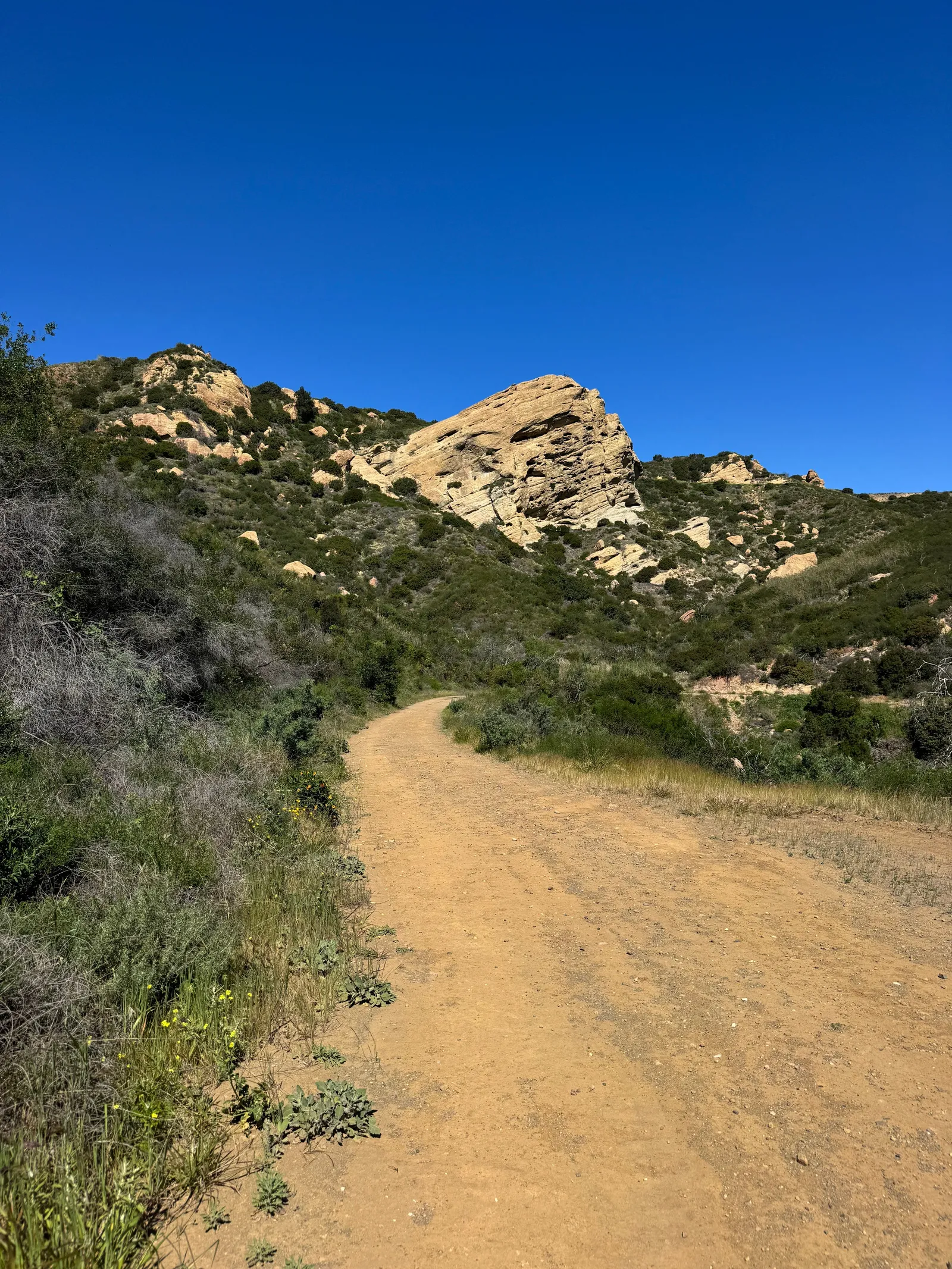
No one who could say for certain what happened to Richardson after that ever came forward. Her partially skeletal remains were found on August 9, 2010, in a remote creek bed in Malibu's Dark Canyon, not far from the station — nearly 11 months after her release. Investigators found no evidence of foul play, and a cause of death was never determined. The California Attorney General's office investigated the deputies' conduct twice: it found no grounds for charges in November 2015, reopened the inquiry in January 2016 at her father's request, and closed it again in January 2017, citing insufficient evidence. Los Angeles County's Board of Supervisors has kept a reward active since: it lapsed and was re-established at $20,000 in August 2024, then increased to $25,000 that November — its most recent public update — and the case remains officially open.
What the county already admitted
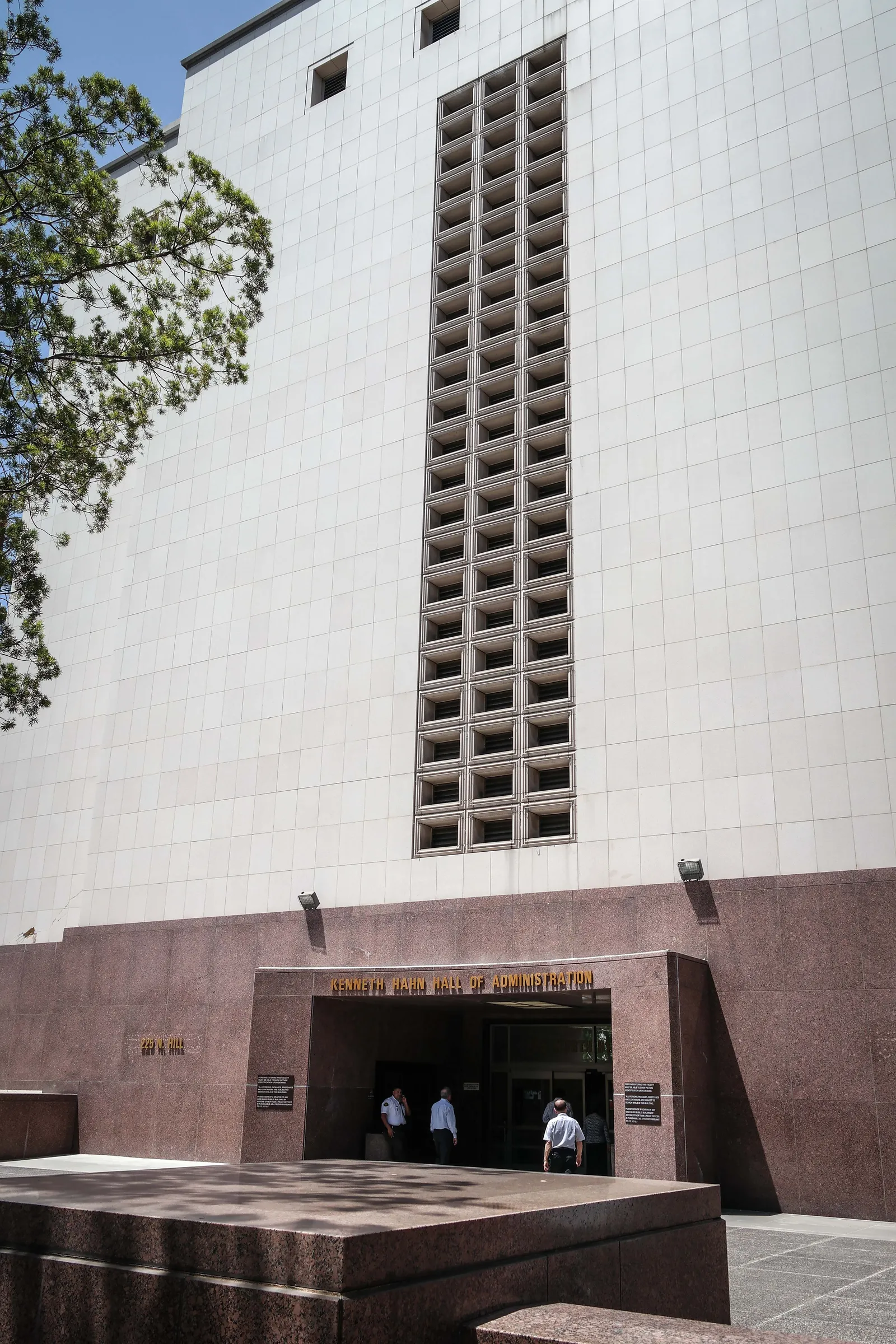
An internal department review conducted soon after Richardson vanished concluded deputies had acted "properly and legally" in letting her go. A second review — issued by the county's Office of Independent Review in March 2012, after her remains had already been found — reached a narrower but sharper finding: a "breakdown of communication" between sheriff's deputies and the coroner's office over how to recover her body, serious enough that deputies removed her remains from the scene against the coroner's own instructions. That report never reopened the question of the original release. Lee Baca, the county's sheriff at the time, did that himself, at the same news conference where the OIR report's findings were announced. The county never had to make either admission part of a verdict, because there was never a trial. In 2011, the Board of Supervisors approved a $900,000 settlement with Richardson's parents, Latice Sutton and Michael Richardson — $450,000 each — over their claim that deputies knew she needed help and released her anyway. The county did not admit wrongdoing. It paid regardless.
“No one, male or female, mental health issues or no mental health issues, should be released in a remote area when the city shuts down at 9 p.m., unless someone is there to pick them up or they know the person is safe.”
Whose disappearance makes the news
Richardson's disappearance ran 11 months before her remains turned up, in the same years Natalee Holloway and Laci Peterson generated round-the-clock cable coverage and national vigils. Journalist Jasmyne Cannick, who covered the case as it unfolded, wrote in 2024 that advocates "fought the entire 11 months of her disappearance for equal media coverage during a time where if you were a white woman and went missing, it was breaking news at the top of the hour every hour." Black-owned outlets — the Los Angeles Sentinel, Our Weekly, LA Focus — covered Richardson from the beginning, per Cannick's own account; national coverage arrived mostly later and in pieces, through a 2012 cable-documentary episode (Investigation Discovery's "Disappeared") and true-crime podcasts years after that. What coverage did run early often led with her work as a part-time dancer and her sexuality ahead of the psychology degree, the pageant résumé, or her plans for graduate school. "She was a dancer, not a stripper," her father told reporters at the time. "She did it without taking off her clothes." The correction was necessary because the record needed defending, and not everyone covering it bothered to check it first.
Related Stories
The West African Kingdom Where Brides Were Fed Like Royalty
In the Kingdom of Calabar, elite families fed and secluded their daughters for months before marriage — a fuller body wasn't an accident. It was the point.
 Photo courtesy of Yvonne
Before Forty, Yvonne Wanted Her Health in Order — Confidence Came With It
She changed her relationship with food, started therapy, and found a confidence she calls 'through the roof.'
Why I Hate the Body Positivity Community
A manifesto on race, culture, standards, and the strange decision to reinvent something Black women had already built.