
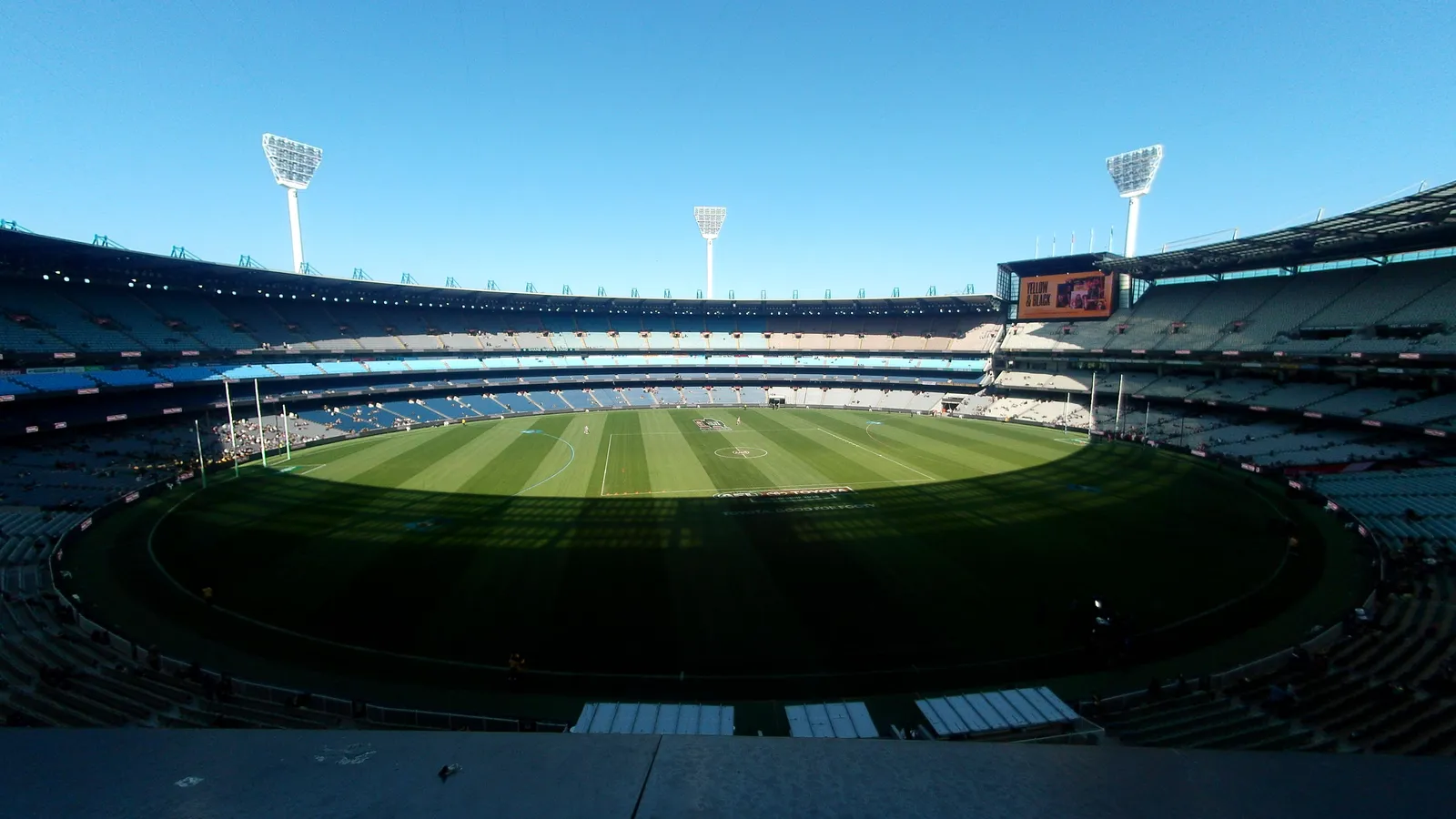
The Rams Closed -3.5 Over the 49ers in Melbourne. San Francisco Won by 20.
The line that moved off a Myles Garrett trade and Aaron Donald's return held at -3.5 through kickoff. The 49ers then won the season opener outright, 27-7.
Photo by Kushie In Vietnam on PexelsUpdated September 11, 2026: San Francisco beat Los Angeles 27-7 at the Melbourne Cricket Ground; the closing line this story tracked, Rams -3.5, held through kickoff and did not move again. The final score and the closing-number comparison have been added to the top of this piece.
San Francisco beat Los Angeles 27-7 on Thursday night, September 10, 2026, in the NFL's first regular-season game on Australian soil, played at the Melbourne Cricket Ground. Brock Purdy threw three touchdown passes — to Demarcus Robinson (39 yards), Mike Evans (2 yards) and Deebo Samuel (15 yards) — and Kyren Williams scored the Rams' only touchdown, a 5-yard run, per the box score at CBS Sports and the Rams' own game recap, byline Stu Jackson.
The line this story tracked closed where it had been sitting: Covers.com's posted odds, last updated September 10 at 6:43 p.m. ET — about two hours before the 8:35 p.m. ET kickoff — still had the Rams at -3.5, total 48.5, the same number ESPN's odds page (sourcing DraftKings) showed earlier that day. The spread did not move again before kickoff: VegasInsider's consensus line-movement history lists -3.5 as the closing line, with no change logged after September 8. San Francisco won outright, meaning a bet on the 49ers at that closing number cashed regardless of margin, and a bet on the Rams did not. That is a report of the closing number against the final score, not a verdict on the reasoning the market used to get there — no source cited in this piece calls the line's read on the Rams' defensive additions right or wrong, and neither does this one.

The Los Angeles Rams had opened as 2.5-point favorites over the San Francisco 49ers for the NFL's Melbourne Game, the league's first regular-season contest on Australian soil, played at the Melbourne Cricket Ground. The number moved a full point, through the key number of 3, to Rams -3.5 by September 8. ESPN's own odds page (sourcing DraftKings), checked September 10 ahead of the 8:35 p.m. ET kickoff, showed Rams -3.5, total 48.5, moneyline 49ers +164 / Rams -198. Covers.com's own posted line, timestamped September 8, 7:21 a.m. ET, showed the identical -3.5 and 48.5, with 64 percent of moneyline bets on the site landing on the Rams against 36 percent on the 49ers. The total sat at 48.5 at every pregame check this story made; unlike the spread, this piece does not have a source confirming whether the total held there all the way through kickoff.
“Not a lot of significant line movement at this time, most would be driven by injury news to quarterbacks, but the Rams did move from -2.5 to -3.5 versus the 49ers. The combo of the 49ers dealing with injuries to WR/TE and the Rams trading for Myles Garrett and adding Donald drove the line movement.”
The transactions behind that reasoning check out independently, not just through one trader's characterization of them. The Rams' defensive overhaul actually started with the secondary: Los Angeles traded for cornerback Trent McDuffie from Kansas City and separately signed his former Chiefs teammate Jaylen Watson to a three-year free-agent deal, both moves detailed on the team's own site and dated March 17, 2026. The Rams then acquired Myles Garrett, the reigning NFL Defensive Player of the Year, from the Cleveland Browns on June 1, 2026, sending Cleveland outside linebacker Jared Verse plus a 2027 first-round pick, a 2028 second-rounder and a 2029 third-rounder, according to the Rams' own team site. Aaron Donald, a three-time Defensive Player of the Year who had been retired since March 2024, announced August 30, 2026, that he was returning to Los Angeles for the 2026 season — also confirmed directly on therams.com. Four significant defensive additions arrived across a five-and-a-half-month stretch, on one roster, ahead of a market that had to price the game before any of them had played a snap together.
Why a defensive overhaul reprices a line differently than an offensive one
An offensive addition — a receiver, a running back — mostly changes how a book expects one team's own drives to end, which is a relatively contained adjustment. A defensive overhaul changes how a book expects the other team's drives to end, on every possession, which is a broader adjustment to make and one books are typically slower and more conservative about pricing in full before real snaps confirm it. That is consistent with the shape of this move: a full point of spread movement, and a total that, at every pregame check this piece made, sat exactly where it opened. The spread reflects a book's updated read on who wins by how much; the total reflects its read on combined scoring, and nothing in the public record here shows a book concluding the Rams' new front four changes the expected point total, only who benefits from the margin. Neither Covers nor SI.com's reporting addresses that specific split directly, so it's worth naming as an open question rather than a settled one: the market has clearly repriced win probability toward Los Angeles; it has not, on this evidence, clearly repriced expected scoring.
Cipollini's September 2 comment also cited San Francisco's own attrition — "injuries to WR/TE" — as the other half of the move. That specific injury picture had partly resolved by kickoff: George Kittle, the 49ers' tight end, and edge rusher Nick Bosa both carried no game designation on the team's final Week 1 injury report and were cleared to play, per ESPN's Nick Wagoner, reporting published September 10. Kittle had been working back from a torn right Achilles suffered in January; Bosa was returning from a torn right ACL from Week 3 of last season. Both were listed as limited in practice all week. Their availability was confirmed by kickoff eve — a detail the market had priced around as uncertain until then.
Related Stories
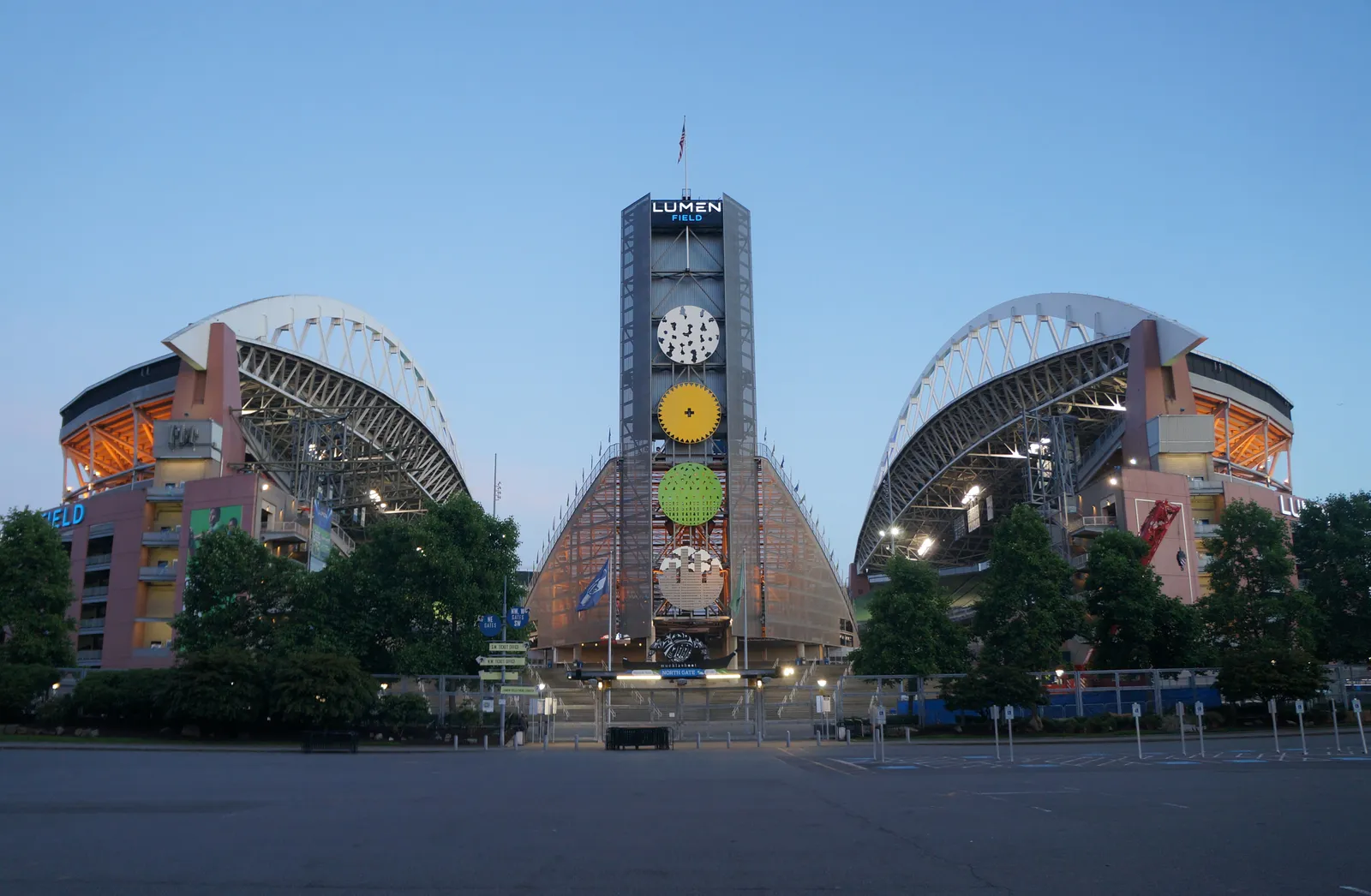 Photo by SounderBruce, CC BY-SA 4.0, via Wikimedia Commons
Seattle Opened Week 1 as a 4-Point Favorite Over New England. The Market Has Them at 3.5.
Seattle's Week 1 line drifted from -4 toward -3.5 over the summer — a move about roster uncertainty on both sides, not a forecast on the champion.
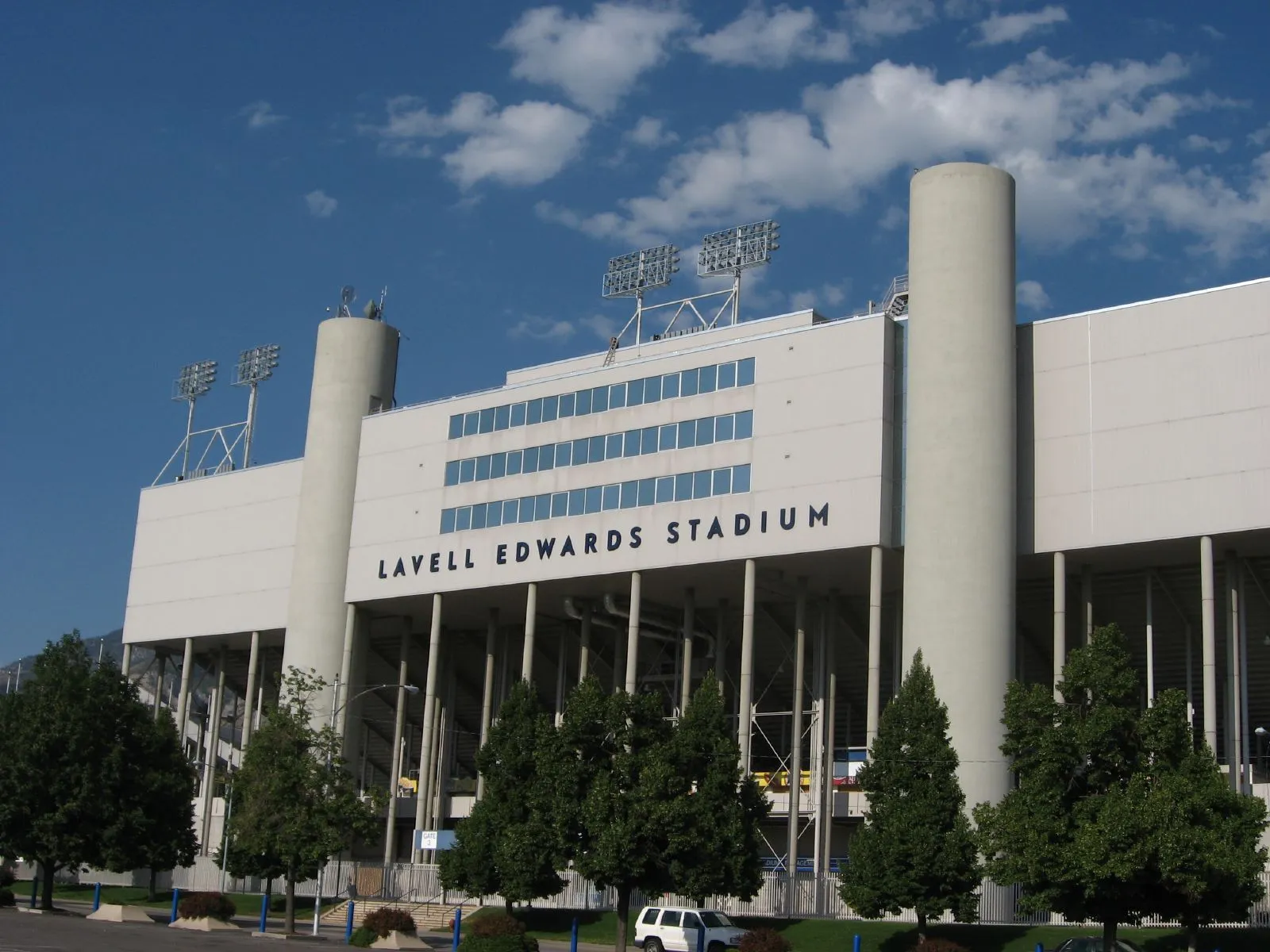 Photo by Ken Lund, CC BY-SA 2.0, via Wikimedia Commons
BYU-Arizona: The Spread Hit -7.5, Then Gave Ground. The Total Fell Three Points.
BYU's number backed off its own season-high even as the money kept piling on the Cougars. The total moved further, and wind is only part of why.
 Photo by ajay_suresh, CC BY 4.0, via Openverse
Ohio State-Texas: The Spread Never Left -1.5. The Total Climbed Two Points.
Bad injury news hit both teams Friday. The spread barely moved. The total did — and that's where the sharp money went.