
Why a Size 22 Cut From a Size 8 Pattern Never Quite Fits
The shoulder is too wide, the armhole gapes, the bust pulls. That isn't the factory or the fabric. It's a decision made at the pattern stage.
Photo by Mariia Stepanova on PexelsYou have almost certainly worn the garment this is about. The size is right on paper. The shoulder seam still sits an inch out toward the arm, the armhole on a sleeveless top yawns open when you move, the front rides up over the bust and the hem finishes higher than it should. Nothing about that is a manufacturing fault, and none of it is fixed by ordering a different size. It is a decision taken long before the fabric was cut, at the pattern stage, and it has a name.
What grading is
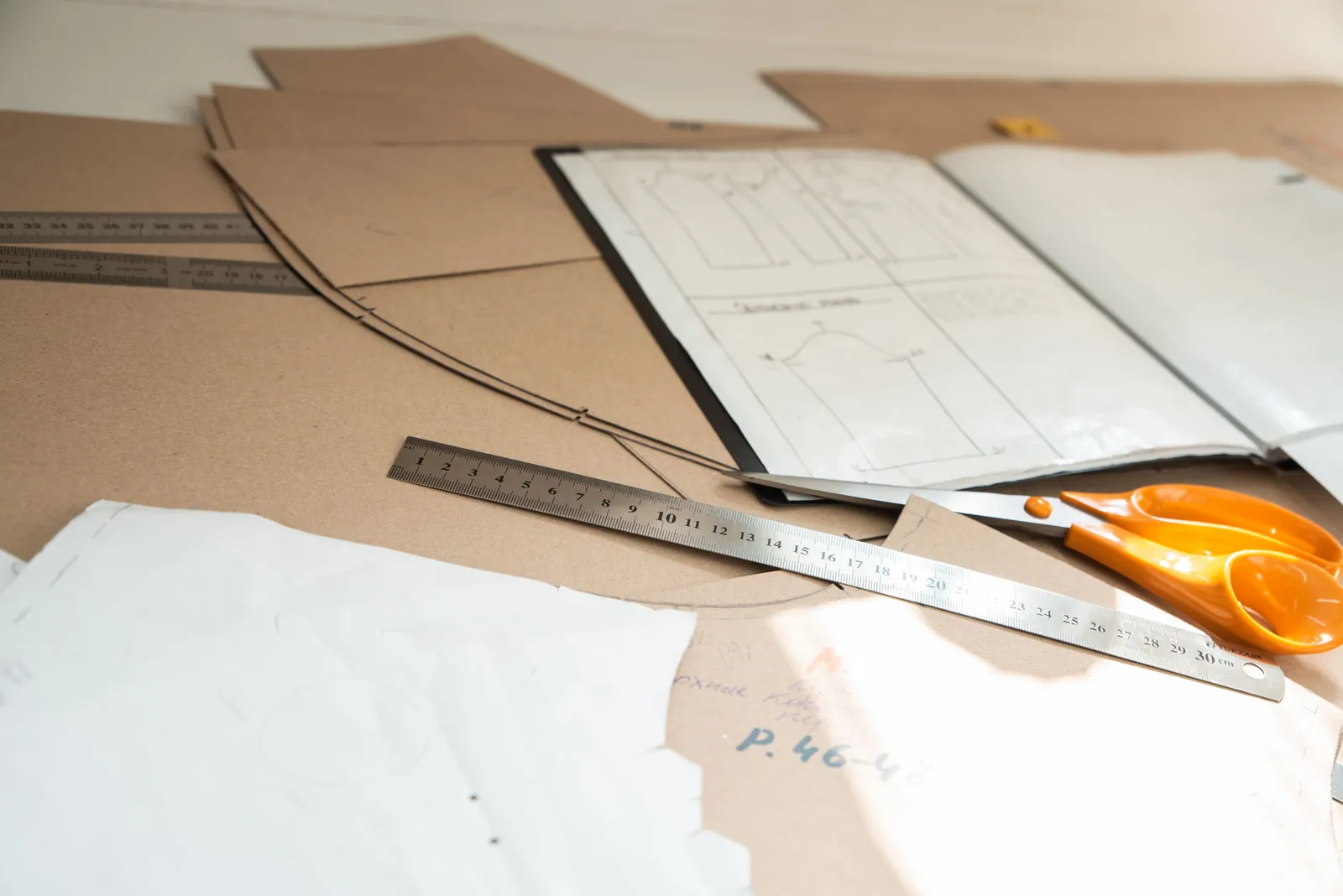
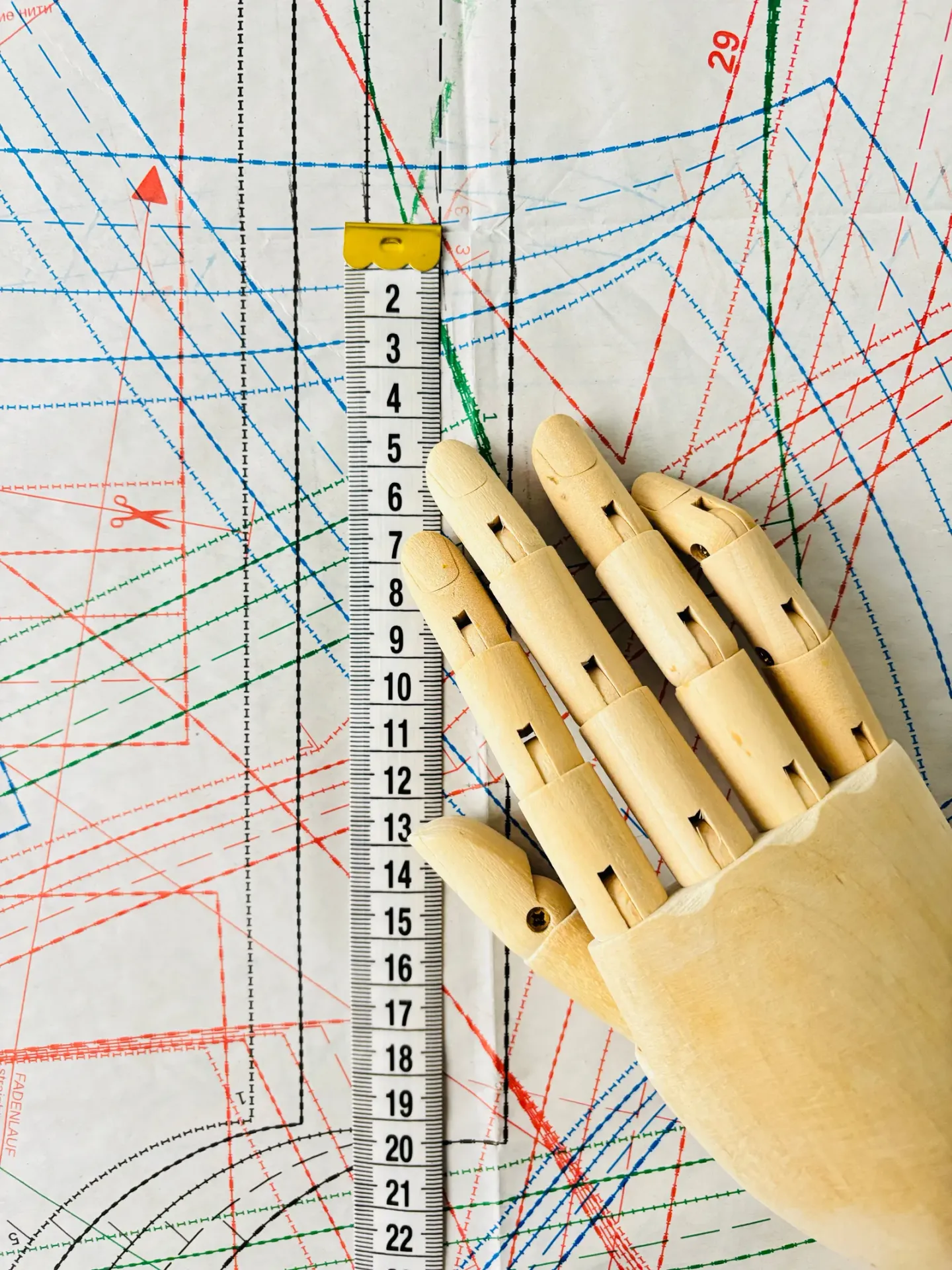
A brand does not draft a separate pattern for every size it sells. It drafts one — a block, usually at whatever it treats as its sample size — and then applies a set of grade rules that add or subtract fixed increments at defined points to produce every other size from it. Grading is arithmetic, and it rests on an assumption: that bodies get larger in predictable proportion, so a pattern can follow them by expanding at the same ratios throughout.
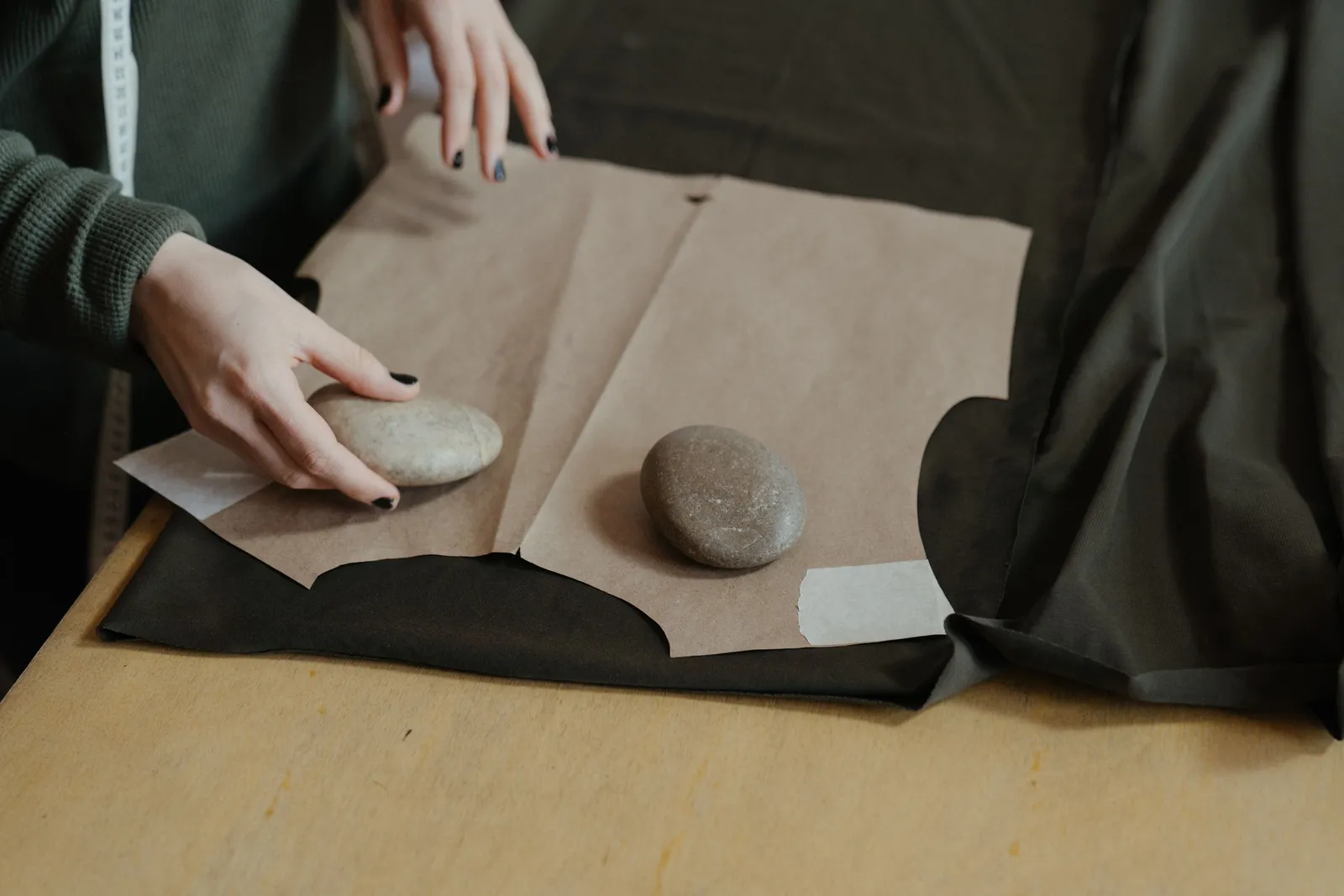
That assumption holds tolerably across a narrow band of sizes. It degrades as the range extends, because the average it is built on thins out the further you get from the block. Grade a size 8 up far enough and the arithmetic keeps working while the garment stops.
Where it shows, specifically
Garmenta Apparel, a pattern-making and grading firm, sets out the difference between a plus size reached by grading and the same size drafted from its own block, and it lands on four points. The armhole: "The graded 1X is more scooped out whereas the drafted 1X allows for more coverage at the armhole. This is particularly important for sleeveless blouses." The shoulder: "The shoulder is narrower for the plus size. Just because bodies are wider, does not mean the shoulders need get so much bigger." The dart: "Not only is it deeper, but it is longer. The deeper the dart, the more shaping is provided for larger cup sizes." And the length: "The body length is longer for the drafted plus size. This is because a plus size chest is bigger, so you need more length in the pattern to help for additional coverage over the bust."
Read those four back against the garment. The wide shoulder, the gaping armhole, the pulling bust, the hem that comes up short — each is the predicted consequence of a pattern that was scaled rather than drawn. The clothes are not failing mysteriously. They are failing exactly where the method says they will.
The fix is a second block, and it costs money
The remedy is not better grading. It is to stop grading past a point and draft a new base pattern for the larger range, with its own armhole curve, its own shoulder, its own dart geometry and its own proportions through the body. Garmenta does not name a size at which a brand should switch, and notes that modifying graded patterns is often the more practical route in production. A second block means a second fit model, a second round of samples and fittings, a second set of grade rules, and a longer development calendar — real cost, carried before a single unit sells.
Which is the useful thing to know when a brand announces it has extended its range. Two garments can carry the same size on the label and be different products: one drafted for the body it is sold to, one arrived at by arithmetic from a smaller one. Brands almost never say which they did, and the number on the tag cannot tell you. The armhole can.
Shop the Mana Collection
Fat Girl Fan Club Tee
Lifetime member. The fan club for the ones who already knew — a cream-and-gold ticket-stub of a shirt on a garment-dyed black or navy body.…
Curves Are The Culture Tee
The line, said flat: curves are the culture — not a trend that needs your permission, not a moment somebody's brand discovered last spring.…
BBW Graffiti Splash graphic T-Shirt
Graffiti is what it looks like when somebody decides they will be seen without asking permission — same energy here. Heavyweight 6.1 oz rin…
Related Stories
 Photo by Darina Belonogova on Pexels
How Plus-Size Denim Finally Got the Fit Right
No built-in waist gap by default. Four denim makers spent a decade rebuilding the pattern block around real hips — and real gaps remain.
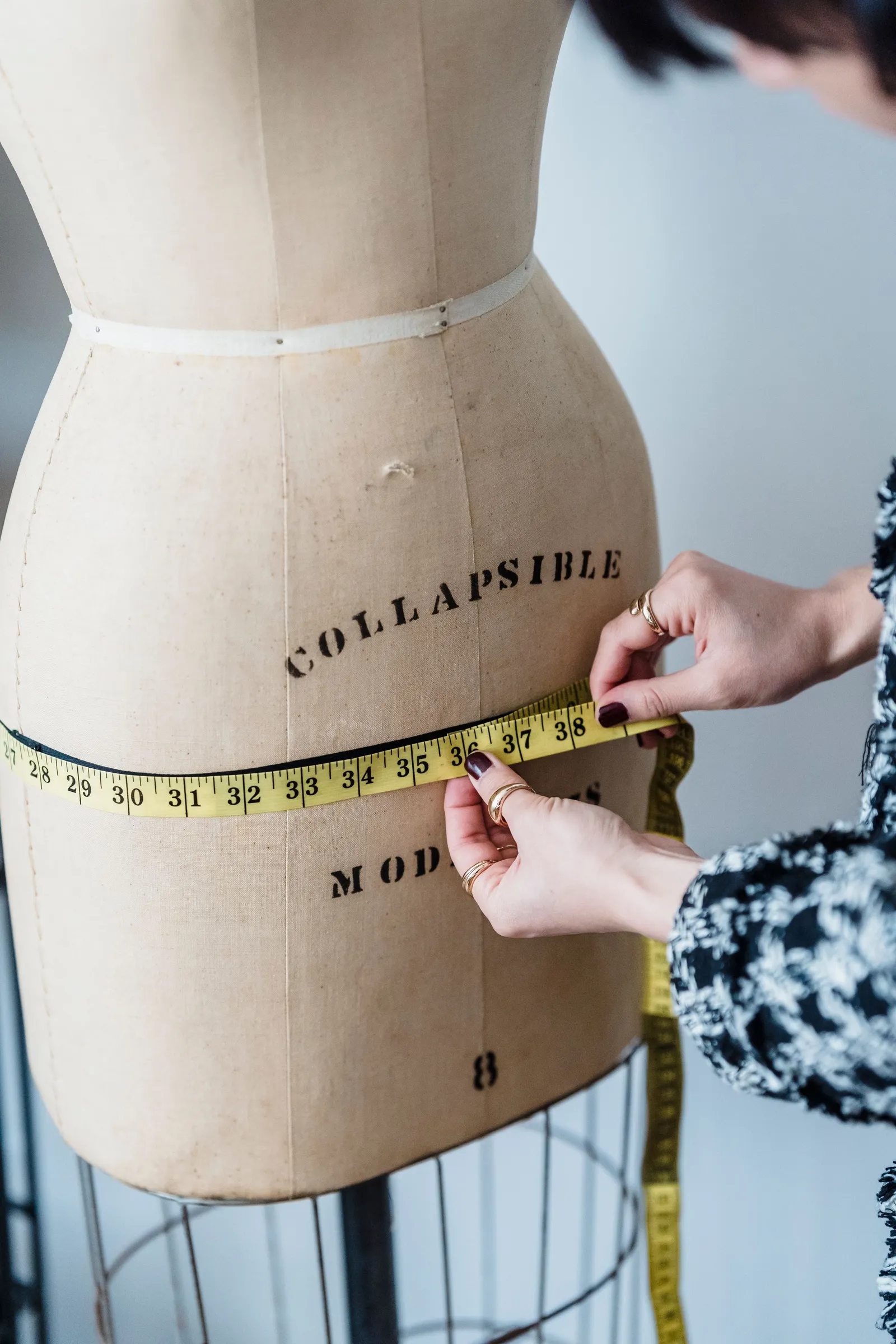 Photo by Michael Burrows on Pexels
Vogue Business Put New York Fashion Week's Plus-Size Number at 0.9 Percent. The Named Exceptions Stop at an 18, a 12, or a Custom Order.
Vogue Business counted 0.9 percent plus-size runway looks this season. Refinery29 named ten designers doing better — their own size charts tell a fuller story.
Liris Crosse Was Taped Into a Garbage Bag on Project Runway. She Just Walked for Christian Siriano at NYFW.
Liris Crosse says a designer draped her in a paint-stained trash bag rather than dress her. Christian Siriano said yes — and this week, she walked his runway.