
Ancient Egypt's Beauty Standard Looked Like Us
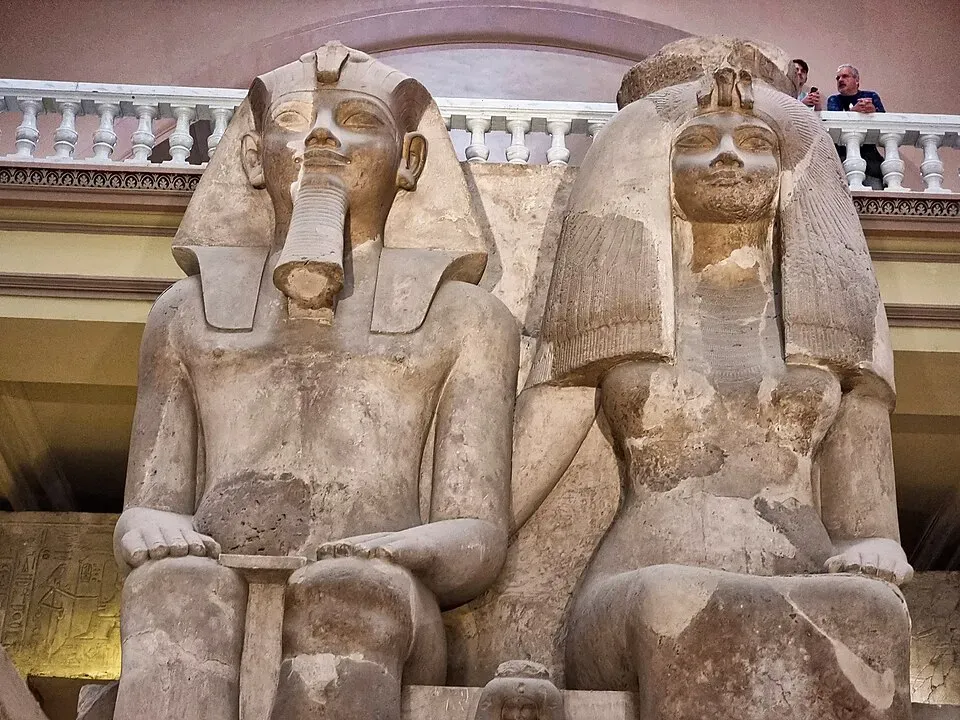
Late in Amenhotep III's reign, Egyptian art finally let its king and queen look like real, mature, fuller-bodied people instead of eternal, airbrushed youth.

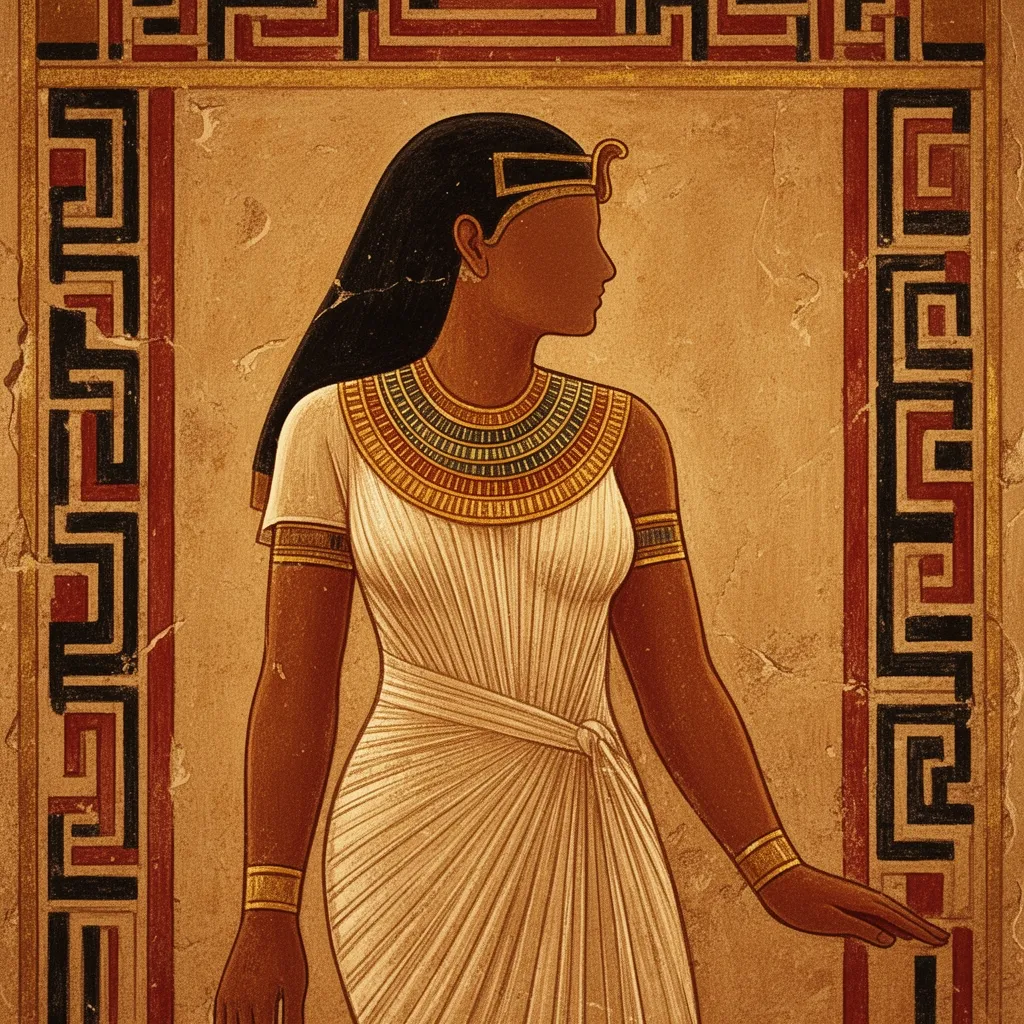
Did you know that for most of ancient Egypt's 3,000-year history, its art insisted every woman looked the same way? Slim waist, flat stomach, high breasts, eternally young, no matter her actual age or size. That's the canon Egyptologists call the idealized female form, and it barely wavered for millennia. Then, late in the 38-year reign of Amenhotep III — a pharaoh who ruled from about 1386 to 1353 BCE — the rulebook cracked, if only for a moment, and Egyptian royal art let a king and queen look like real, mature, physically weighty people instead of ageless icons.
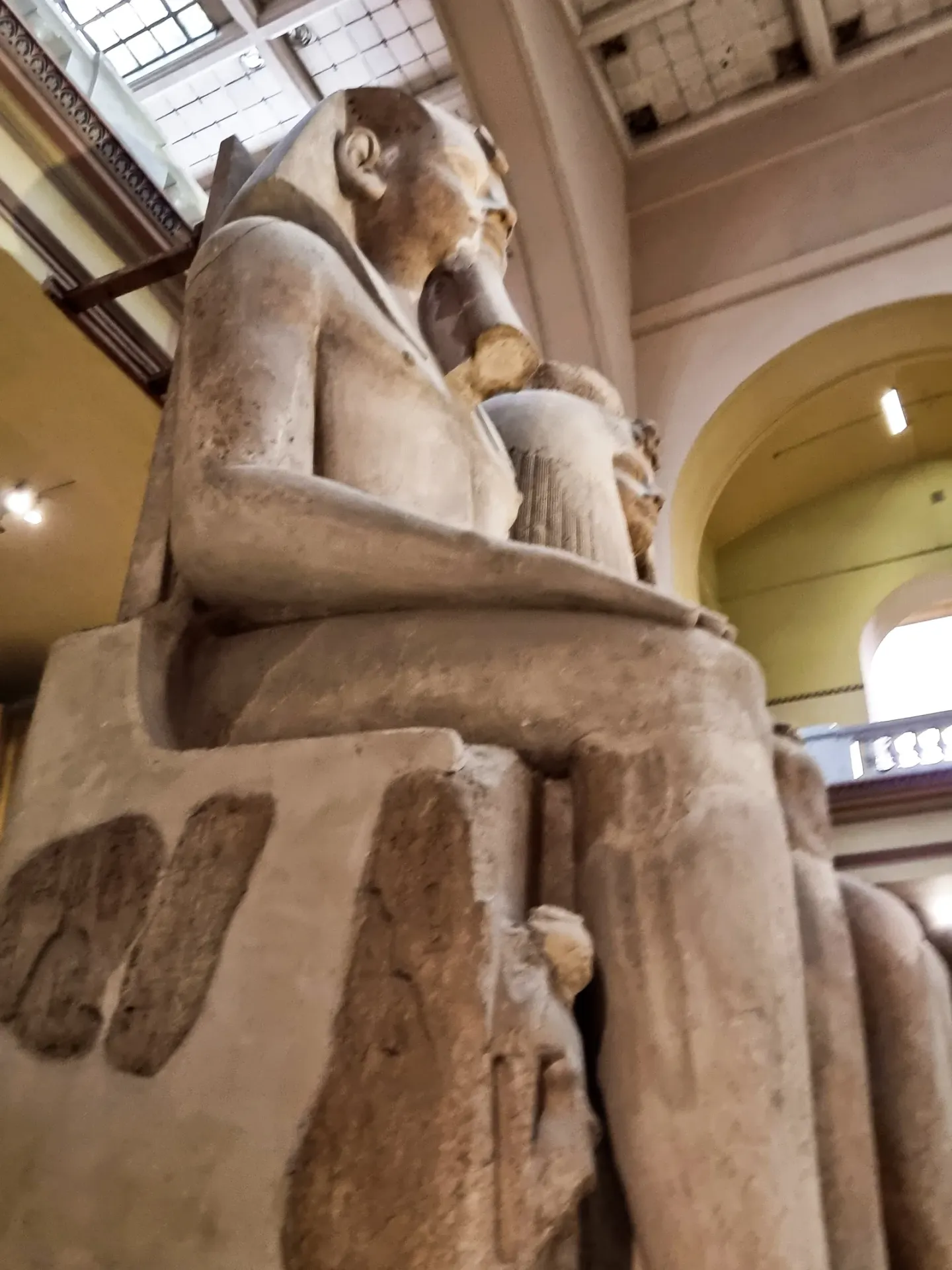
Tiye wasn't born to rule. She was the daughter of Yuya and Thuya, a provincial couple with no royal blood, and Amenhotep III married her in only the second year of his reign — reportedly with his own mother's encouragement, since Tiye had served in the royal household. What she got in return was extraordinary: in the colossal limestone statue of the couple now anchoring the main hall of the Egyptian Museum in Cairo — a 7-meter monument carved around 1360 BCE, found in fragments and reassembled for the museum's 1902 opening — Tiye is carved at exactly the same height as her husband. In an art tradition where a king's scale routinely dwarfed everyone around him, including his own wife, that's not a small detail. It's a statement.
A body allowed to look like a body
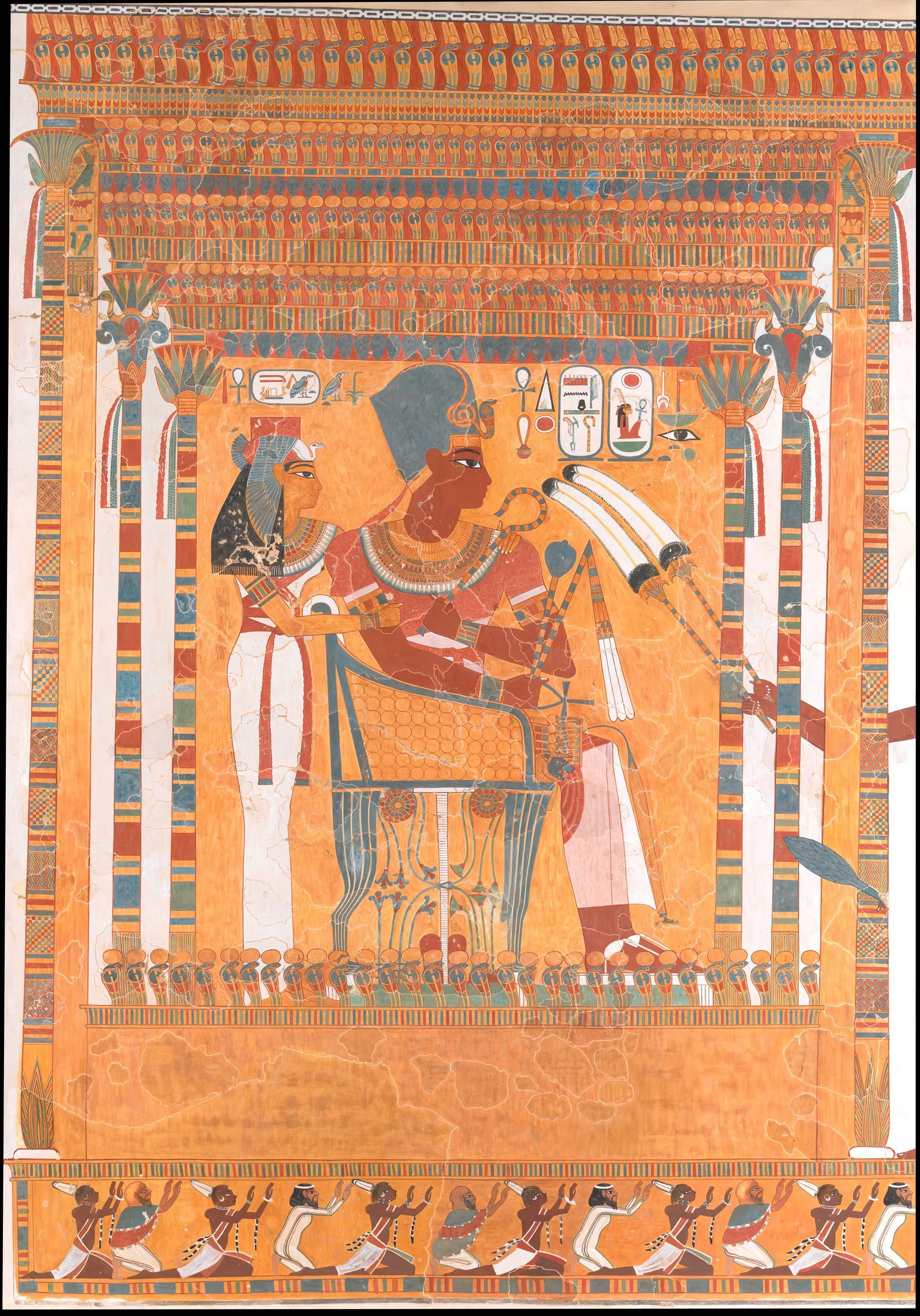
Here's the part worth slowing down for. Art historians have documented a real shift in how Amenhotep III's own body was rendered in the last decade of his reign, especially after his first jubilee, or Sed festival, around Year 30: statues from this period show him with broader limbs and a softer, rounder abdomen, a real departure from the trim, idealized young-king image that dominates most of his — and nearly every other pharaoh's — official portraiture. It's part of a broader naturalistic turn late in his reign that historians see as a direct forerunner to the even more dramatic body language of Amarna art under his son, Akhenaten. Tiye's own late portraits break convention differently: rather than fullness, several surviving images of her from this period, including a wood, silver, and faience head now in Berlin's Neues Museum, show her visibly aging — sagging flesh, deep lines around the mouth — at a time when royal women were almost always rendered as eternally young in official art, regardless of their real age.
That gap between the idealized image and the real body isn't speculation — it shows up in the mummies. Amenhotep III's own mummy shows loose folds of skin that multiple Egyptological sources read as evidence he was likely overweight by the time he died in his late forties or fifties — a body at odds with the trim young-king statuary that represents most of his reign. And in 2007, Egyptian antiquities chief Zahi Hawass identified a nameless mummy in tomb KV60, matched via a single tooth to a box inscribed with her name, as Hatshepsut — the female pharaoh who ruled roughly 70 years before Tiye's own time as queen. That mummy belonged to a woman who died in her 50s, was almost certainly obese, and likely had diabetes. Not one surviving statue or relief of Hatshepsut shows anything like that body. The art and the woman were two different records, and only one of them was ever meant to be seen.
We told the wider version of this story — six empires, one throughline — in "The Courts That Crowned Her." Amenhotep III and Tiye were the opening act of that argument. Their statue in Cairo is still the first stop for anyone tracing where the idea that fullness signals power, not failure, actually starts.

Shop the Saga Collection
Corpulent Queen Tee
A crown, and the word we put back under it. Corpulent Queen is the weekly feature — the most interesting woman in the room, printed on purp…
Thick History Graphic Tee
Every era that called itself golden made room for bodies like ours — this shirt just refuses to let anyone forget it. Garment-dyed heavywei…
Venus of Willendorf Graphic Tee
The oldest depiction of the human body that humanity ever bothered to keep is a fat woman — roughly 30,000 years of proof, and she was firs…
Related Stories

The West African Kingdom Where Brides Were Fed Like Royalty
In the Kingdom of Calabar, elite families fed and secluded their daughters for months before marriage — a fuller body wasn't an accident. It was the point.
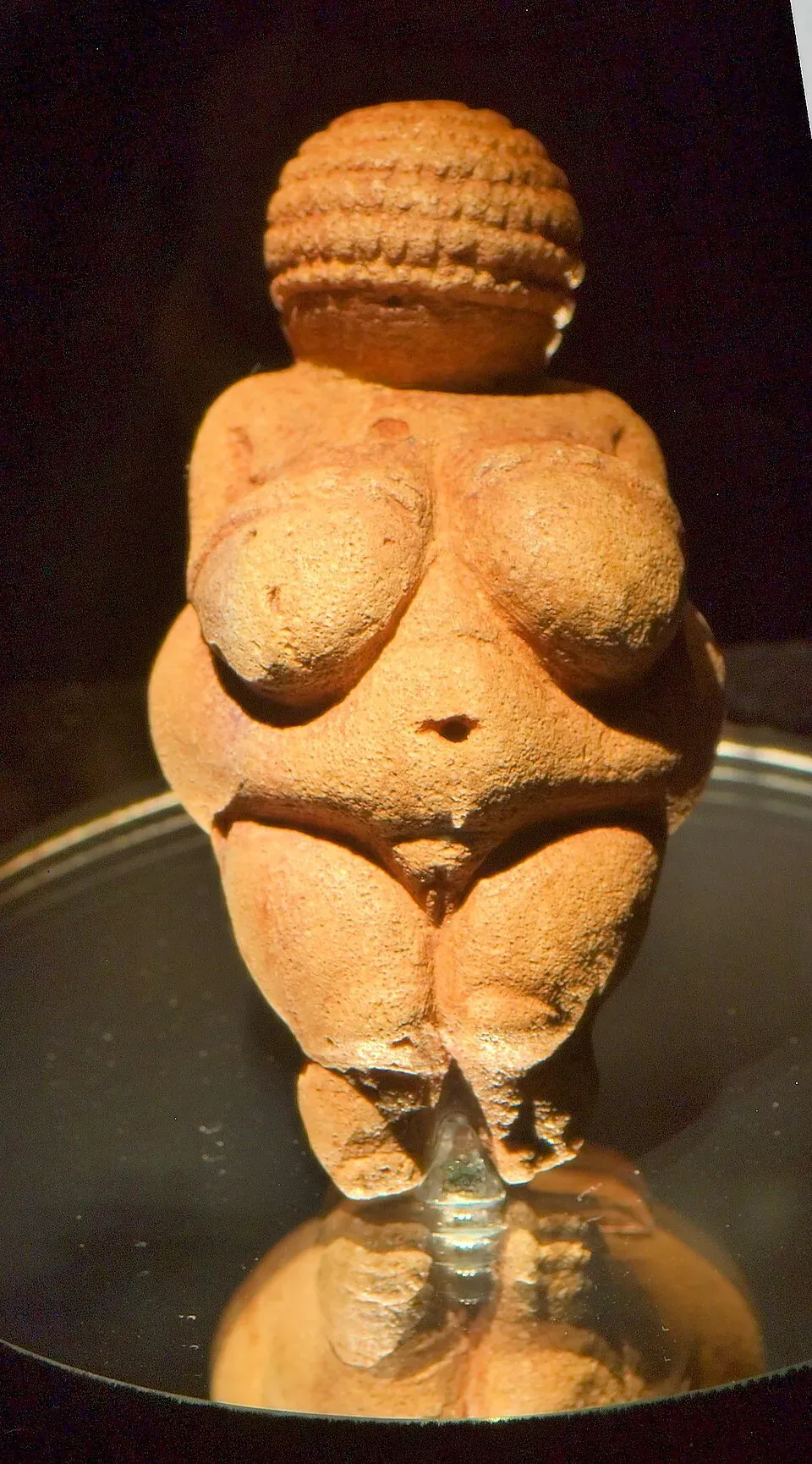 Historical image — Photo by MatthiasKabel, CC BY 2.5, via Wikimedia Commons
The First Woman Ever Carved Wasn't Thin
Forty thousand years before "body positivity," Ice Age carvers rendered the female body full and soft. Nobody agrees why — but nobody flattened her.
 Historical image — Photo by Prof. Mortel, CC BY 2.0, via Wikimedia Commons
The Courts That Crowned Her
From the Nile to the Yangtze to the courts of West Africa, six empires didn't just accept a fuller figure — they built their idea of royalty around it. We restore the original narrative.