
The Courts That Crowned Her
From the Nile to the Yangtze to the courts of West Africa, six empires didn't just accept a fuller figure — they built their idea of royalty around it. We restore the original narrative.
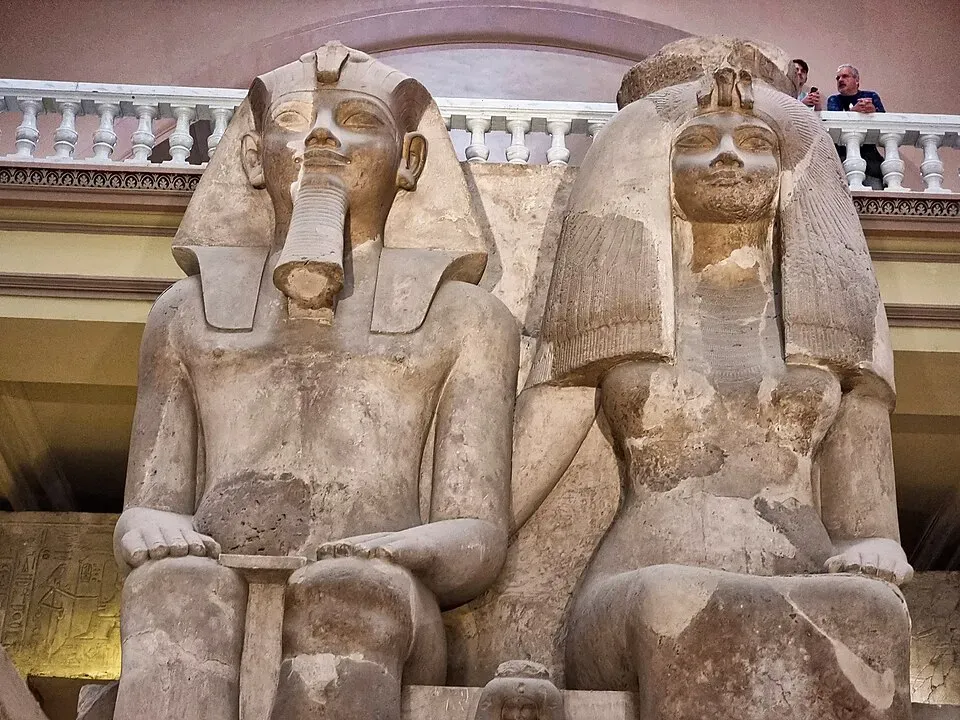
Historical image — Photo by Prof. Mortel, CC BY 2.0, via Wikimedia Commons
Start with Egypt. Royal art from the reign of Amenhotep III doesn't flatter its queens into narrowness — it gives them rounded stomachs, full hips, soft thighs, and renders that fullness with the same care as the gold on their collars. This wasn't an artist being generous. It was the beauty standard, painted exactly as intended.
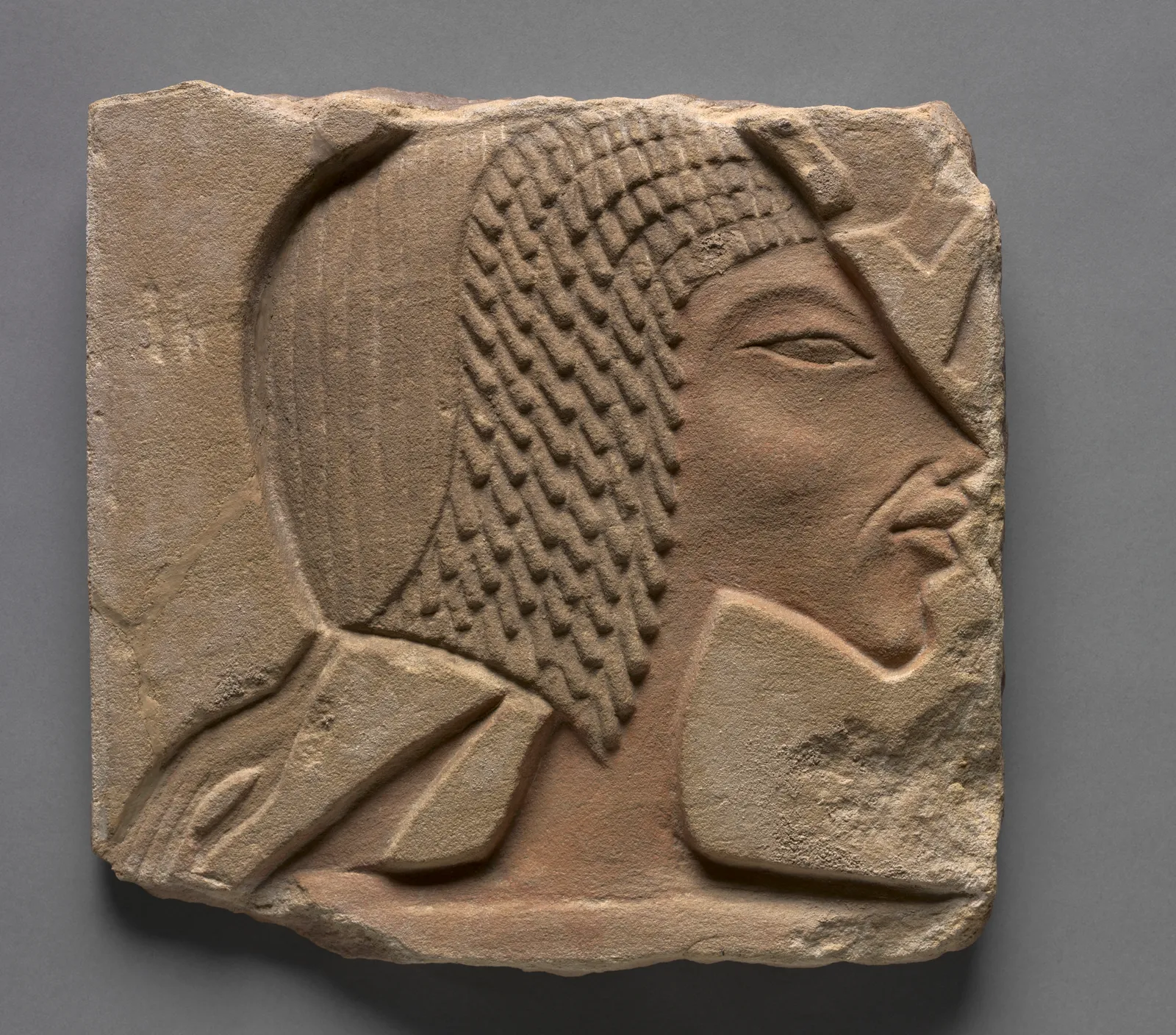
Move east, a millennium later, to Tang Dynasty China, and you find Yang Guifei — recorded as one of the Four Great Beauties in the entire span of Chinese history. Her fullness isn't a footnote to her legend. It's the legend. An emperor loved her so completely it became a political scandal, and the record never once suggests her size was the problem.
“Across six empires, on four continents, fullness was never the exception to power. It was the shape power came in.”
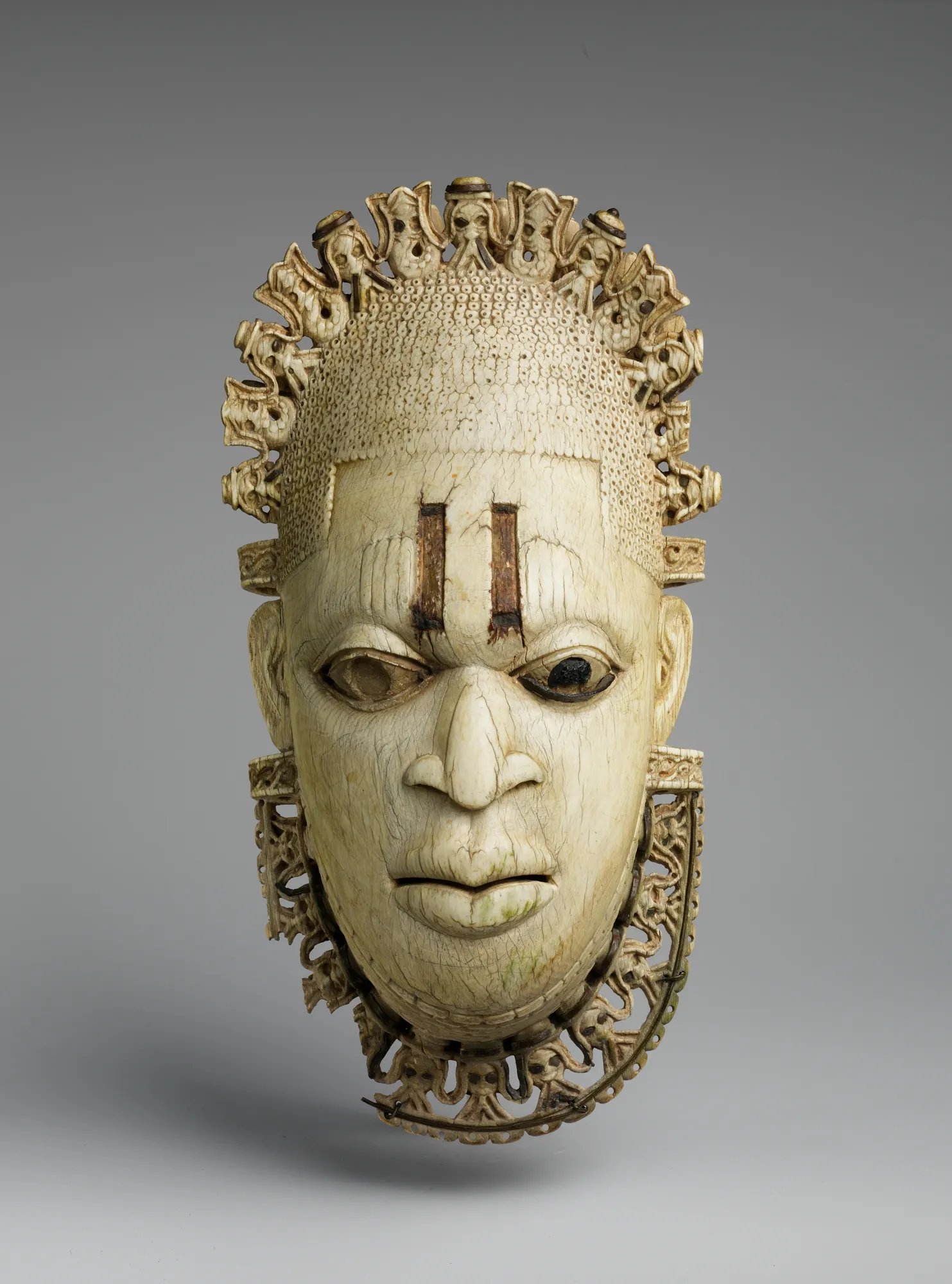
Keep going and the pattern holds. In Morocco under Moulay Ismail, a court of hundreds ran on a standard set from the very top — elite women were prepared for royal marriage by design, not chance, because size read directly as wealth and prestige. In the Kingdom of Calabar, on Nigeria's Cross River, the Efik people ran the same economy through a formal institution: the Nkuho, a fattening room where elite daughters were secluded and richly fed for months before marriage — a family's resources, made visible on a bride. In the Mughal Empire, court painters gave their most powerful women — Empress Nur Jahan among them — soft, rounded forms as the literal visual language of refinement.

The narrative that got rewritten
Here's the twist worth sitting with: a lot of the "obsession" language attached to these courts came from outsiders — European travelers and chroniclers who found non-European beauty ideals strange enough to write home about. What was normal, expected, and locally celebrated got filed away as excess, indulgence, even scandal, once it passed through a foreign lens. The record survived. The framing didn't have to.
We're not writing this because it's a cute fact for a caption. We're writing it because it's the whole premise of this outlet: loving a fuller figure isn't a 2026 trend, a body-positivity marketing moment, or a niche preference that needs defending. It's ancient. It's royal. It's been the standard on more thrones, in more empires, across more centuries than most fashion magazines will ever admit.
Curves are the culture. They always were. We just went and got the receipts.
Shop the Saga Collection
Corpulent Queen Tee
A crown, and the word we put back under it. Corpulent Queen is the weekly feature — the most interesting woman in the room, printed on purp…
Thick History Graphic Tee
Every era that called itself golden made room for bodies like ours — this shirt just refuses to let anyone forget it. Garment-dyed heavywei…
Venus of Willendorf Graphic Tee
The oldest depiction of the human body that humanity ever bothered to keep is a fat woman — roughly 30,000 years of proof, and she was firs…
Related Stories
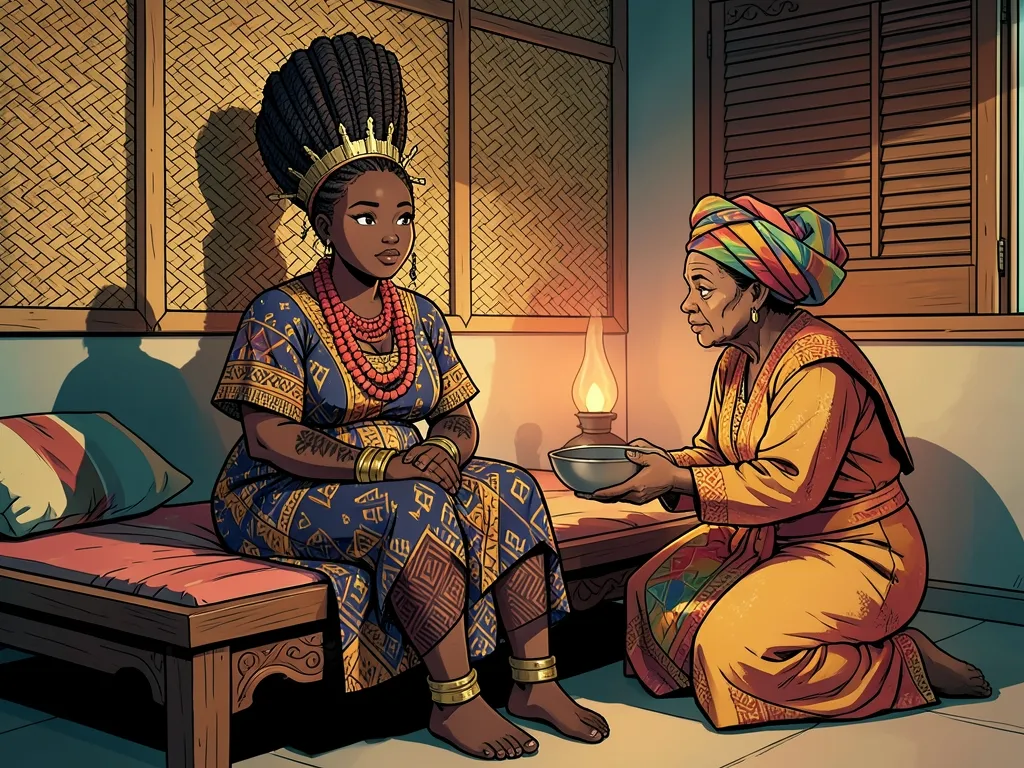
The West African Kingdom Where Brides Were Fed Like Royalty
In the Kingdom of Calabar, elite families fed and secluded their daughters for months before marriage — a fuller body wasn't an accident. It was the point.
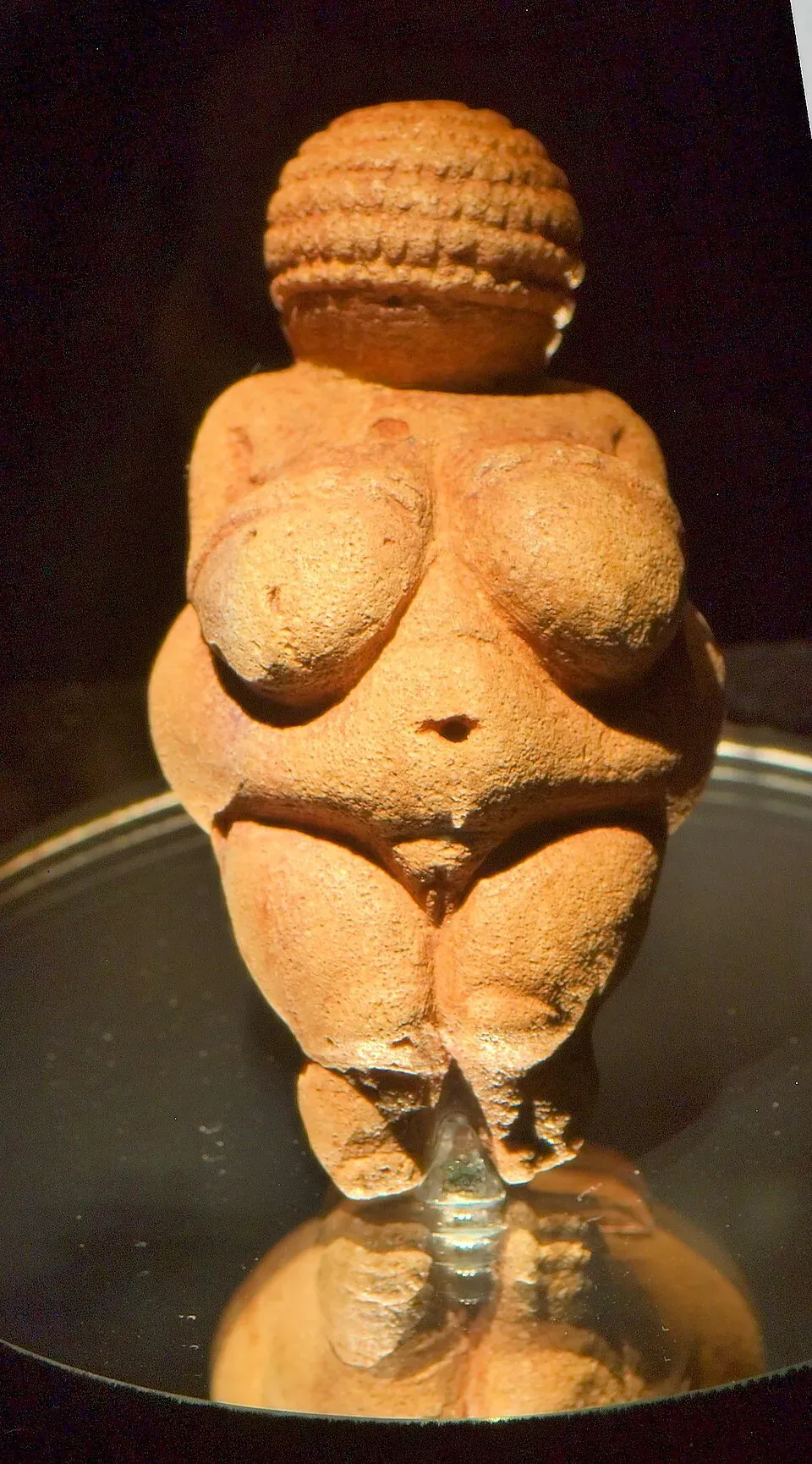 Historical image — Photo by MatthiasKabel, CC BY 2.5, via Wikimedia Commons
The First Woman Ever Carved Wasn't Thin
Forty thousand years before "body positivity," Ice Age carvers rendered the female body full and soft. Nobody agrees why — but nobody flattened her.
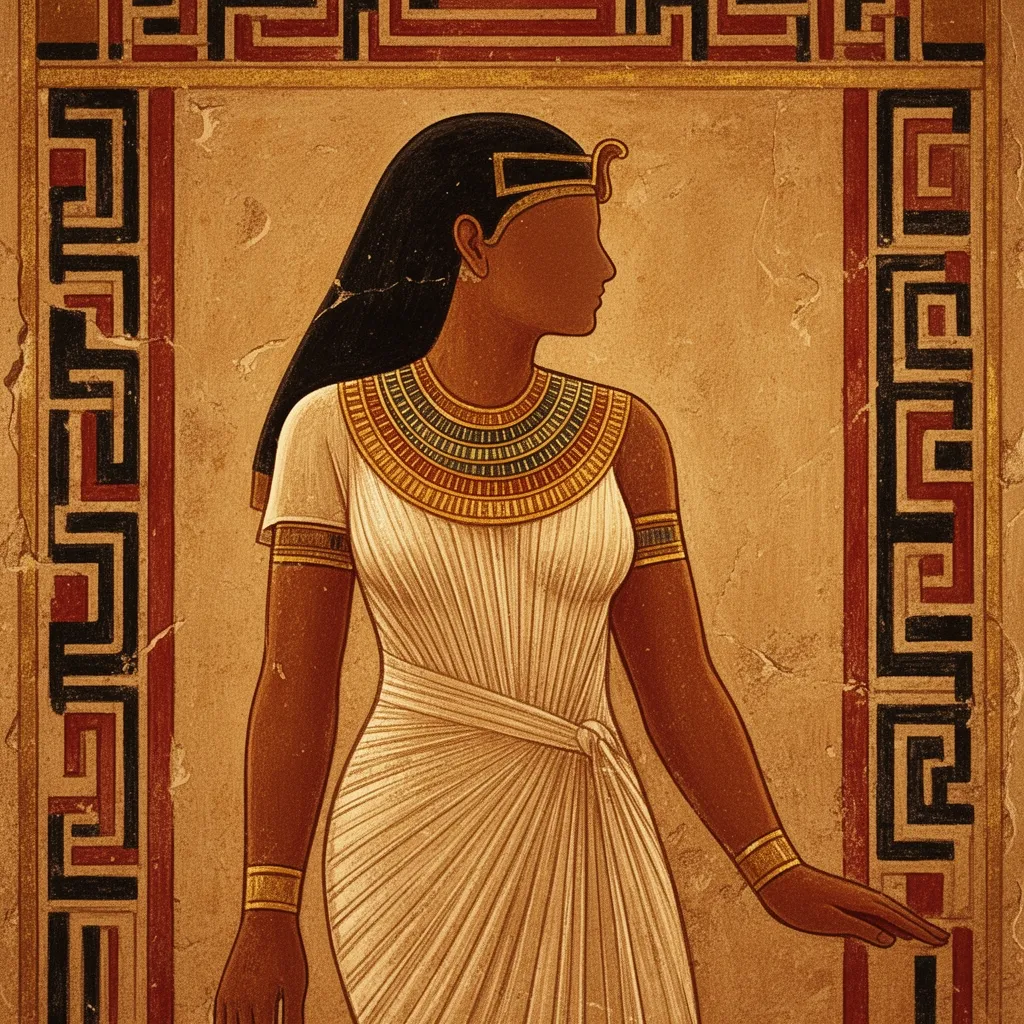
Ancient Egypt's Beauty Standard Looked Like Us
Late in Amenhotep III's reign, Egyptian art finally let its king and queen look like real, mature, fuller-bodied people instead of eternal, airbrushed youth.