
Jet's Beauty of the Week: Naming an Ordinary Black Woman Beautiful for 60 Years
From 1952 to 2014, Jet's Beauty of the Week spent six decades insisting an ordinary Black woman, exactly as she looked, was beautiful.
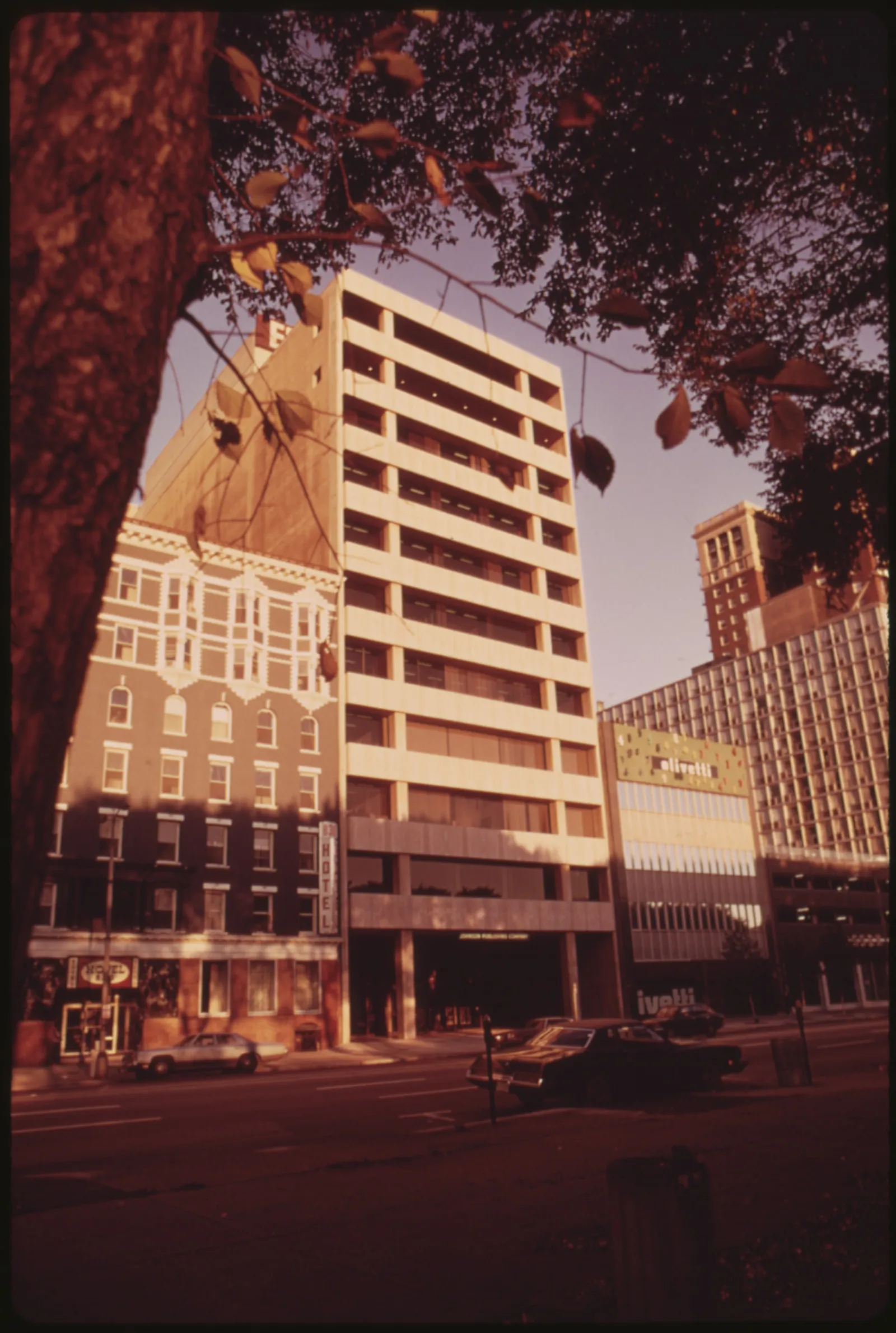
Historical image — Photo by John H. White, Public domain, via Wikimedia CommonsOn August 14, 1952, a New York City court clerical worker named Ruth King opened a brand-new Chicago magazine and found her own photograph in the centerfold, next to her name, her hometown, and her job, under a single running headline: Beauty of the Week. King was the first. She would never be famous for it, and that was close to the entire point. Jet's founder, John H. Johnson, had launched the magazine in Chicago the year before, and by most accounts of Johnson Publishing's history, Beauty of the Week was conceived as a direct answer to the swimsuit pinups running in the era's mainstream, overwhelmingly white magazines — a weekly, mass-circulation insistence that a Black woman, photographed exactly as she looked, belonged on the same kind of page.
An Ordinary Woman, Every Week, By Name
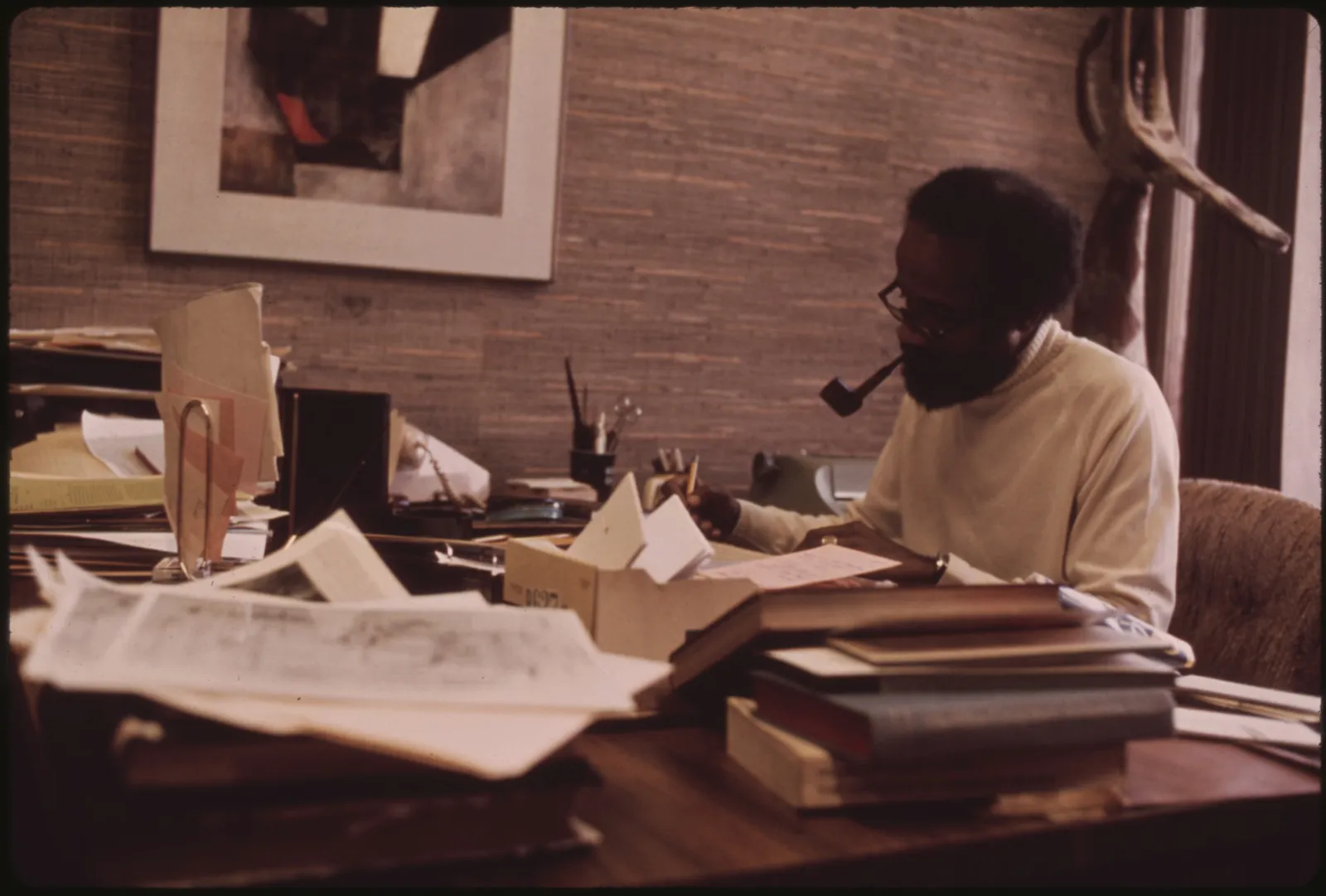
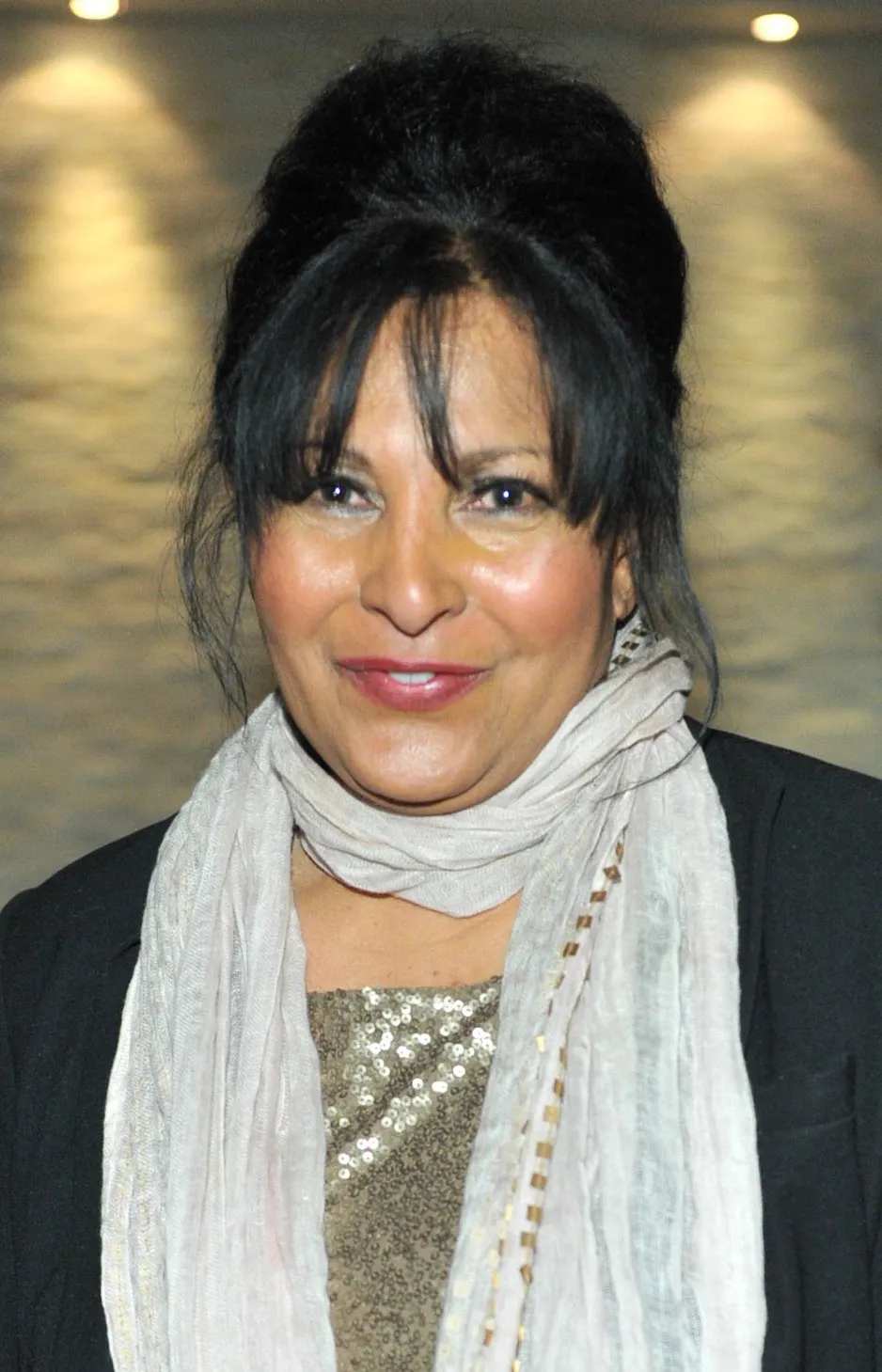
The formula barely changed for more than 60 years: one photograph, one name, one hometown, one job, a line or two about what she liked doing on a Saturday. A waitress. An inhalation therapist. A college student. A court clerk. Jet wasn't running a modeling call — it was keeping a weekly, published record that ordinary Black women, in ordinary jobs, counted as beautiful, printed at a size usually reserved for movie stars. A handful of the women photographed did go on to become famous, which is its own kind of evidence: Janet Langhart Cohen appeared in 1966, years before she became a television personality and author; Pam Grier appeared in June 1971, before the blaxploitation and women-in-prison films that made her famous — she had one uncredited film role at the time and was still months from her first starring part; Ja'net Dubois, later of Good Times, was photographed in 1977. Most subjects never appeared anywhere else, which was never treated as a shortcoming. The camera behind most of those photographs, for more than four decades, belonged to one man: LaMonte McLemore, who photographed more than 500 Black women for the feature — the overwhelming majority not professional models — before curating his own favorites into the 2024 photo book Black Is Beautiful: JET Beauties of the Week, with Chris Murray.
What the Study Actually Found
In 2011, psychologists Nana Dawson-Andoh, James Gray, José Soto, and Scott Parker, at Pennsylvania State University, did something nobody else had: they measured it. Publishing in the journal Body Image, the team collected 363 Beauty of the Week photographs spanning 1953 to 2006, then had independent judges estimate body size and calculate waist-to-hip ratio for each one. Their prediction was that both would move together, toward a fuller, more curvaceous ideal, tracking existing research that Black beauty standards have historically been more accepting of larger bodies than mainstream white American ones. Half of that prediction held: the women's body sizes did grow larger across the decades, as expected. The waist-to-hip ratio moved in the opposite direction, which the researchers had not predicted. Their own conclusion split the difference, finding that the feature's beauty ideal reflected "both consistencies with and departures from mainstream cultural ideals" — not a clean, one-directional rejection of it. Cornell scholar Noliwe Rooks, who has studied Black beauty media for decades, put the underlying point more simply when Andscape's Martenzie Johnson asked her about the feature in 2019.
“They're not stick figures.”
A Lineage This Record Can Point To, Not Assert

None of this needs an unbroken line drawn from a 1952 centerfold to any magazine publishing today to make its point land. What the record actually supports is narrower than that, and more interesting for it: six decades before anyone put the words "body positivity" together, a mass-circulation Black publication ran a weekly feature whose entire premise was that a fuller-figured Black woman, photographed exactly as she was, belonged on the same page reserved everywhere else for pinup fantasy. That isn't any single magazine's origin story to claim. It is the closest thing American media history has to a rehearsal for one.
Related Stories
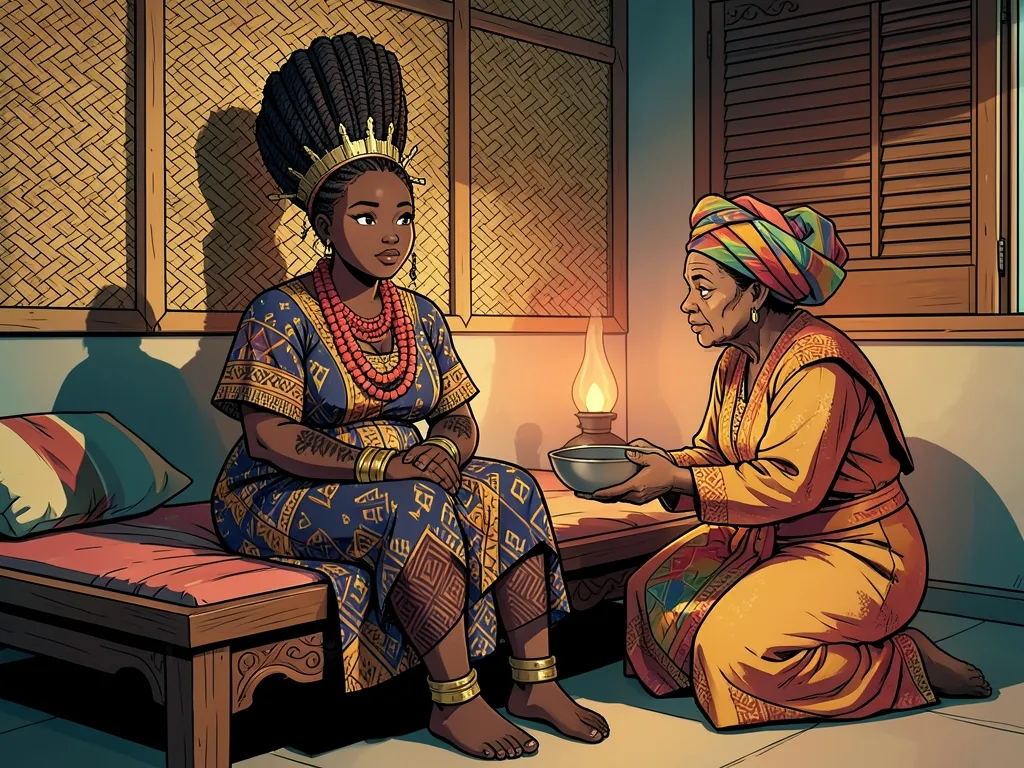
The West African Kingdom Where Brides Were Fed Like Royalty
In the Kingdom of Calabar, elite families fed and secluded their daughters for months before marriage — a fuller body wasn't an accident. It was the point.
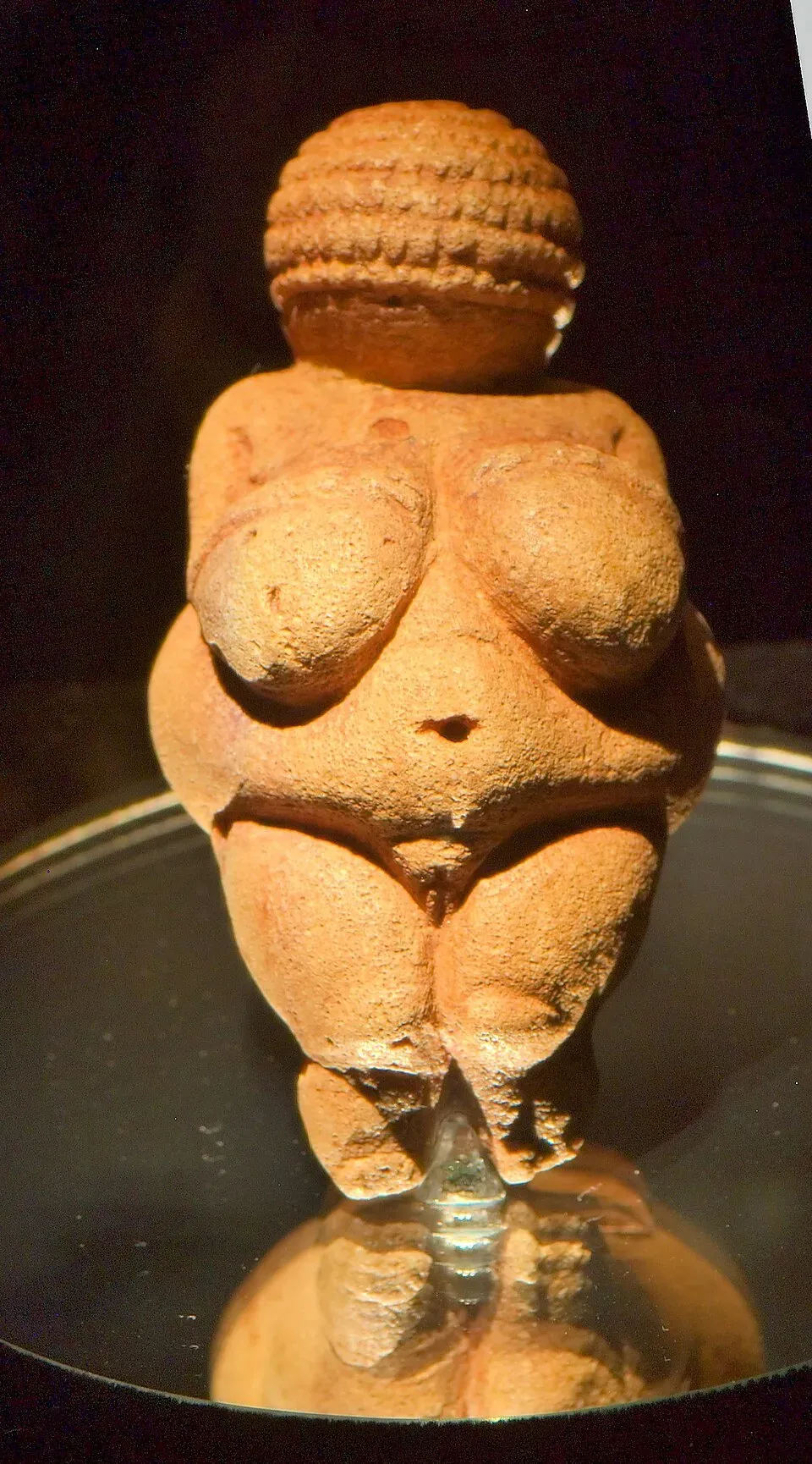 Historical image — Photo by MatthiasKabel, CC BY 2.5, via Wikimedia Commons
The First Woman Ever Carved Wasn't Thin
Forty thousand years before "body positivity," Ice Age carvers rendered the female body full and soft. Nobody agrees why — but nobody flattened her.
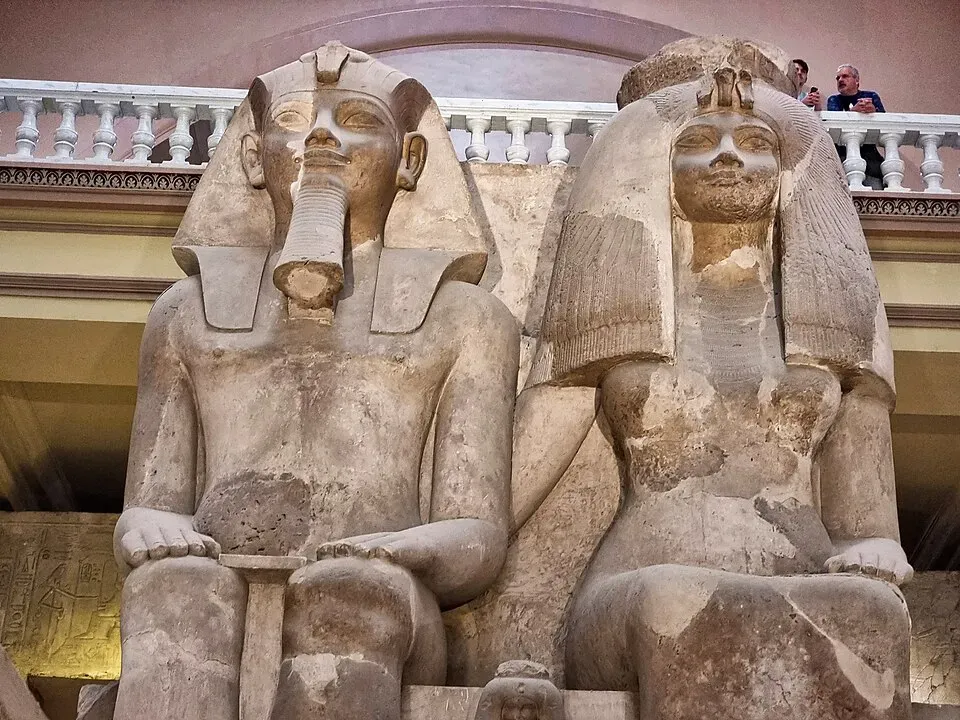 Historical image — Photo by Prof. Mortel, CC BY 2.0, via Wikimedia Commons
The Courts That Crowned Her
From the Nile to the Yangtze to the courts of West Africa, six empires didn't just accept a fuller figure — they built their idea of royalty around it. We restore the original narrative.