
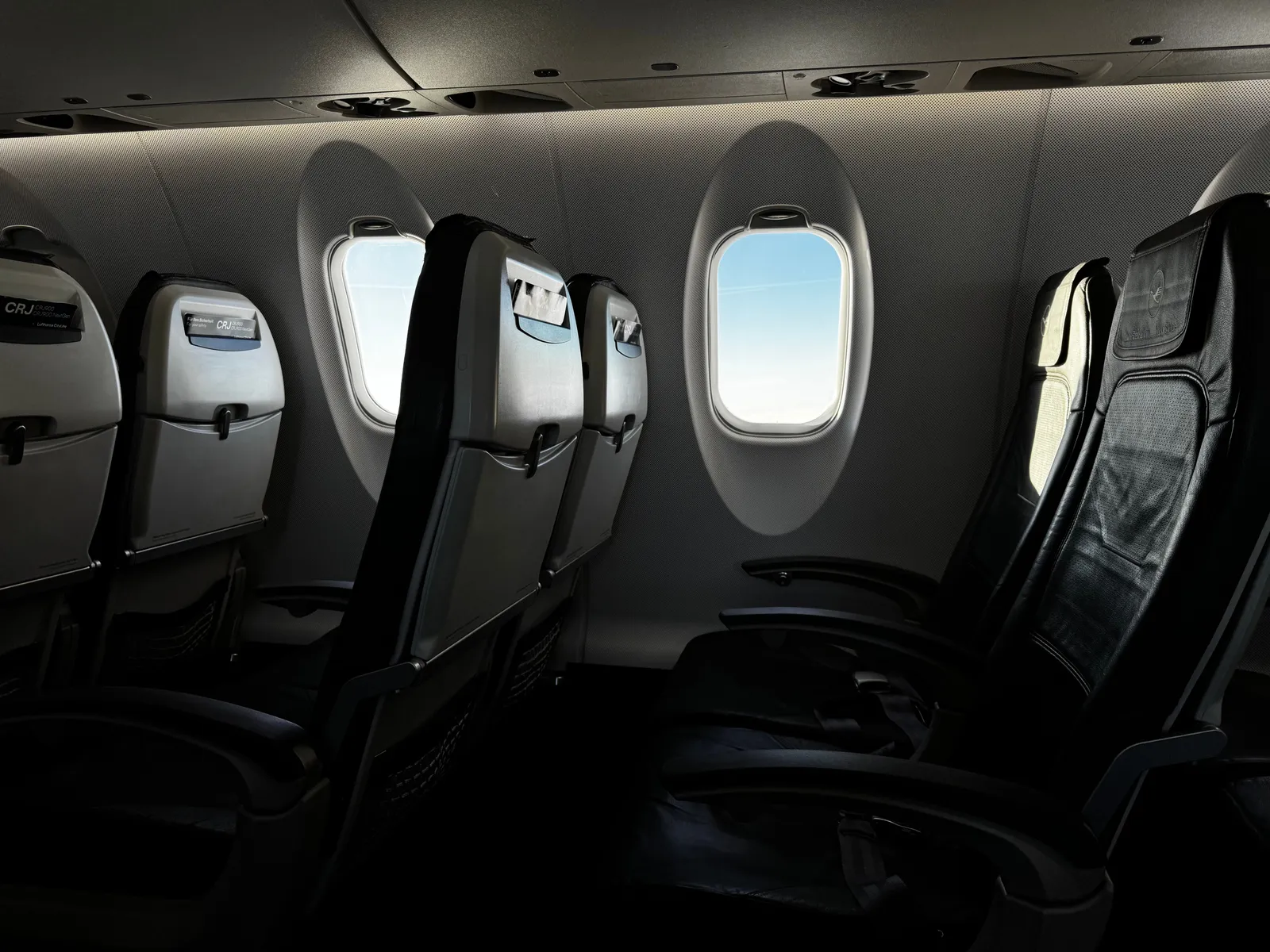
Southwest's Customer of Size Policy, Explained: What Changed Twice in Four Months
Southwest tightened its extra-seat rule in January, then partly reversed it in May after backlash. Here is what the airline's own policy says today.
Photo by Thomas on PexelsAn earlier version of this piece said Southwest requires customers of size to purchase a second seat in advance. The airline's Customer of Size page recommends it and does not require it.
Read the full correctionSouthwest Airlines moved to assigned seating on January 27, 2026, and rewrote its long-standing Customer of Size policy at the same time. Where the airline had previously let a passenger who needed extra space request a complimentary second seat at the gate, the new policy required buying that seat in advance, at the time of booking, with no guarantee one would be available at the gate on a full flight.
The January Change
Southwest explained the timing in its own words: "We are updating many policies as we prepare our operation, Employees, and Customers for assigned seating on January 27, 2026. To ensure space, we are communicating to Customers who have previously used the extra seat policy they should purchase it at booking." The airline added that "the purchase of additional seats serves as a notification of a special seating request and helps us ensure we can accommodate you on the flight." In practice, a passenger who showed up without a pre-purchased second seat was now dependent on open seats existing at all, and risked being rebooked onto a later flight.
The May Reversal
The January policy generated sustained public backlash, including a widely shared account in late March of a passenger who said a gate agent told her she would not be permitted to board without paying roughly $450 for a second seat. By late May, Southwest had partly reversed course: gate agents were once again authorized to issue a complimentary second seat at the airport when adjacent seats are available, restoring part of what the January change had removed. A Southwest spokesperson described the change as intended to provide "a more consistent and seamless experience for customers who require an additional seat." Southwest continues to strongly recommend buying the second seat in advance — its Contract of Carriage imposes no requirement to do so — and the narrow refund window still applies to those who book ahead.
What Southwest's Policy Says Today
The airline's current policy, published at support.southwest.com, defines a Customer of Size as someone who "encroaches upon the neighboring seat(s)," with the armrest as "the definitive boundary between seats." Both seats must be purchased in the same fare class, and the policy is explicit that "extra seats may not be purchased solely to keep the adjacent seat empty." Refunds for the extra seat are available within 90 days of travel, but only if the flight departed with at least one open seat and both seats were purchased in matching fare classes — a passenger who flies on a full flight gets no refund regardless of whether the second seat was ever needed.
Related Stories
 Photo by Famartin, CC BY-SA 4.0, via Wikimedia Commons
New Jersey Senate Passes Bill to Ban Height and Weight Discrimination
S1631 would add height and weight to the state's Law Against Discrimination, making New Jersey the second state to bar the practice outright.
 Photo by Antony-22, CC BY-SA 4.0, via Wikimedia Commons
Weight Discrimination Bills Keep Passing One Chamber and Dying in the Other
Michigan enacted the only state ban in 1976. New Jersey's Senate has passed its own twice, and the Assembly has not voted on it either time.
 Photo by 4300streetcar, CC BY 4.0, via Wikimedia Commons
First Circuit: Obesity Alone Isn't a Disability Under the ADA's Insurance Rules
The appeals court upheld a health plan's exclusion of weight-loss drugs, ruling the plaintiff hadn't shown obesity limited a major life activity.