
Why "Body Positivity" Was Always the Wrong Word
It frames admiration as an act of charity. The historical record says the opposite: this was never a favor, it was the standard.
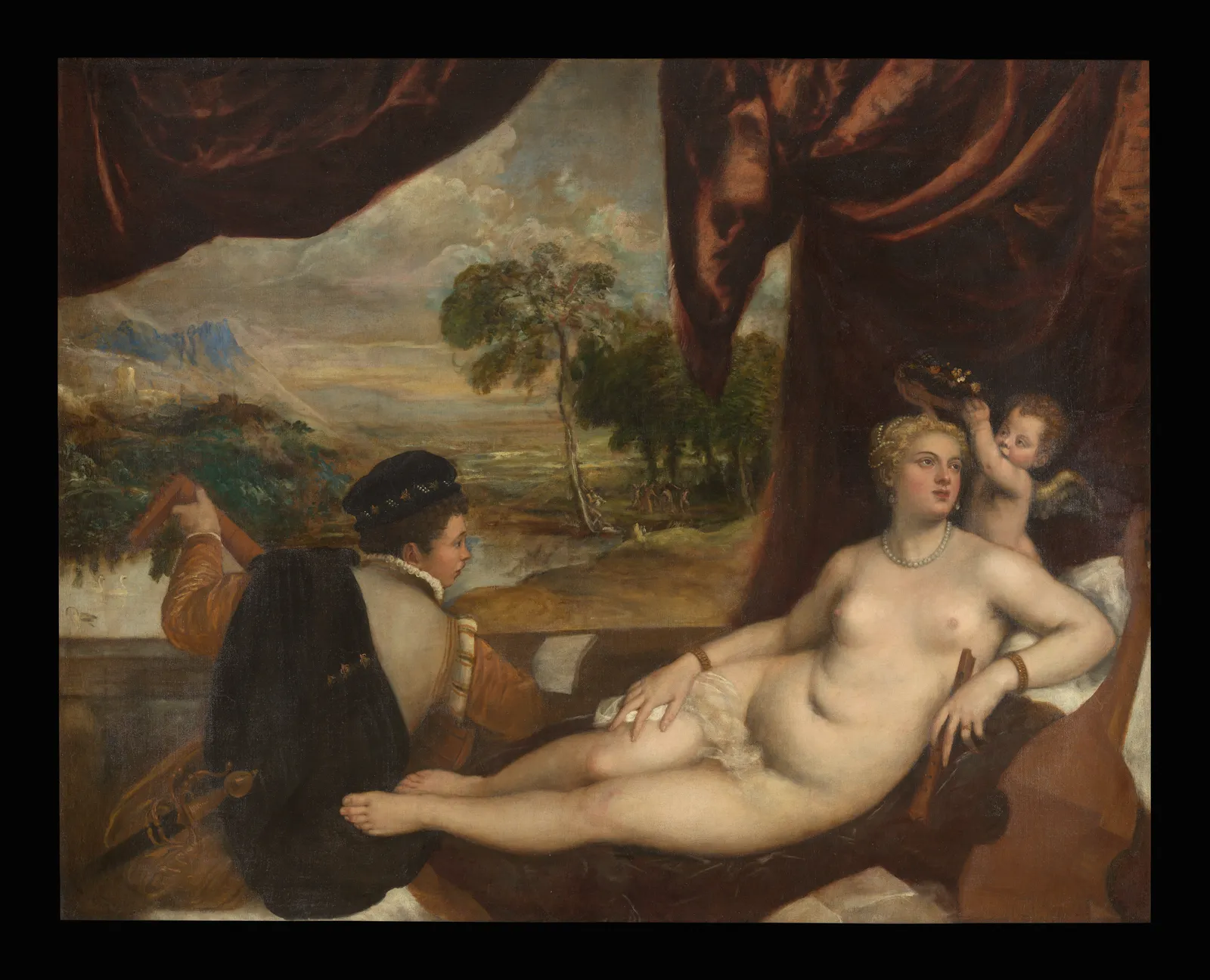
Artwork — Venus and the Lute Player, Titian — The Metropolitan Museum of Art (public domain)
Here is a piece of trivia that deserves to be better known: the organization that started all of this changed its own name, and the word it dropped was Aid. When Bill Fabrey founded it in 1969, it was the National Association to Aid Fat Americans. Today the same acronym stands for the National Association to Advance Fat Acceptance. Aid, then Advance. Almost the entire argument about what to call any of this is compressed into that one substitution.
It Began as a Legal Demand, Not a Feeling

Fabrey was a New York engineer who, by NAAFA's own account, started the group after reading an article about anti-fat attitudes in American culture and getting angry about the way the world was treating his fat wife. The writer Lew Louderback helped him. Within four years the organization had already produced a splinter: a circle of California feminists who found NAAFA far too polite formed the Fat Underground, and in November 1973 two of them, Judy Freespirit and Aldebaran, published the Fat Liberation Manifesto. Read what they actually asked for. It is not confidence, and it is not self-love.
“WE demand equal rights for fat people in all aspects of life, as promised in the Constitution of the United States. We demand equal access to goods and services in the public domain, and an end to discrimination against us in the areas of employment, education, public facilities and health services.”
Employment. Education. Public facilities. Health services. That is the vocabulary of a civil rights claim, and it is the same list you would find in the founding documents of any other rights movement of the period. The manifesto named an adversary, too — "the so-called 'reducing' industries," its authors wrote, itemizing diet clubs, fat farms, diet doctors, appetite suppressants and "reducing machines." And it signed off with the full theatrical confidence of its decade: FAT PEOPLE OF THE WORLD, UNITE! YOU HAVE NOTHING TO LOSE.

How a Demand Became a Mood
The phrase body positive, as an organized thing with an address, arrives later and from a different tradition. In 1996 Connie Sobczak and Elizabeth Scott founded The Body Positive in the Bay Area — Sobczak after her own adolescent eating disorder and the death of her sister, Scott a psychotherapist who had spent years treating eating disorders. Their work was, and still is, about self-image and recovery, and it has genuinely helped people. But notice the register. It is a fundamentally internal project. It asks what happens inside a person. The manifesto asked what happens in a hiring office.
What the phrase turned into once social media got hold of it is not a matter of impression — somebody measured it. In 2022, researchers Meridith Griffin, K. Alysse Bailey and Kimberly J. Lopez analyzed 141 Instagram posts tagged #BodyPositivity and #BodyPositive for the journal Frontiers in Sports and Active Living. The bodies they actually found under the hashtag were, in their words, "those of (now) lean, white, cis-gendered individuals, many of whom were engaged in bodybuilding."
“We observe a remarkable absence of BIPOC, 2S LGBTQAI+, fat/thick/thicc/curvy, older, gender-nonconforming, and/or disabled representations.”
The same authors are clear about where the idea came from to begin with: body positivity, they write, "was rooted in Black fat activism to resist the rise of anti-fat discourse in North America." Roughly fifty years after the manifesto, the word had drifted far enough from its own origin that the people it was built for had largely disappeared from underneath it.
What the Older Record Never Needed a Word For
None of this would have translated well to the societies this desk usually covers. The Ice Age carvers who made the Venus figurines, the Tang court that adored Yang Guifei, the Efik families of Calabar, Rubens working in Antwerp in the 1630s — none of them had a term like body positivity, and it is worth being precise about why. It is not that any of them were more enlightened than us; several were considerably less so, and the historians still argue about what those figurines were even for. It is simpler than that, and it is a fact about the word rather than about them. Positivity is a stance you take toward something. You only need to adopt a stance toward the standard once it has stopped being the standard.
Shop the Mana Collection
Fat Girl Fan Club Tee
Lifetime member. The fan club for the ones who already knew — a cream-and-gold ticket-stub of a shirt on a garment-dyed black or navy body.…
Curves Are The Culture Tee
The line, said flat: curves are the culture — not a trend that needs your permission, not a moment somebody's brand discovered last spring.…
BBW Graffiti Splash graphic T-Shirt
Graffiti is what it looks like when somebody decides they will be seen without asking permission — same energy here. Heavyweight 6.1 oz rin…
Related Stories
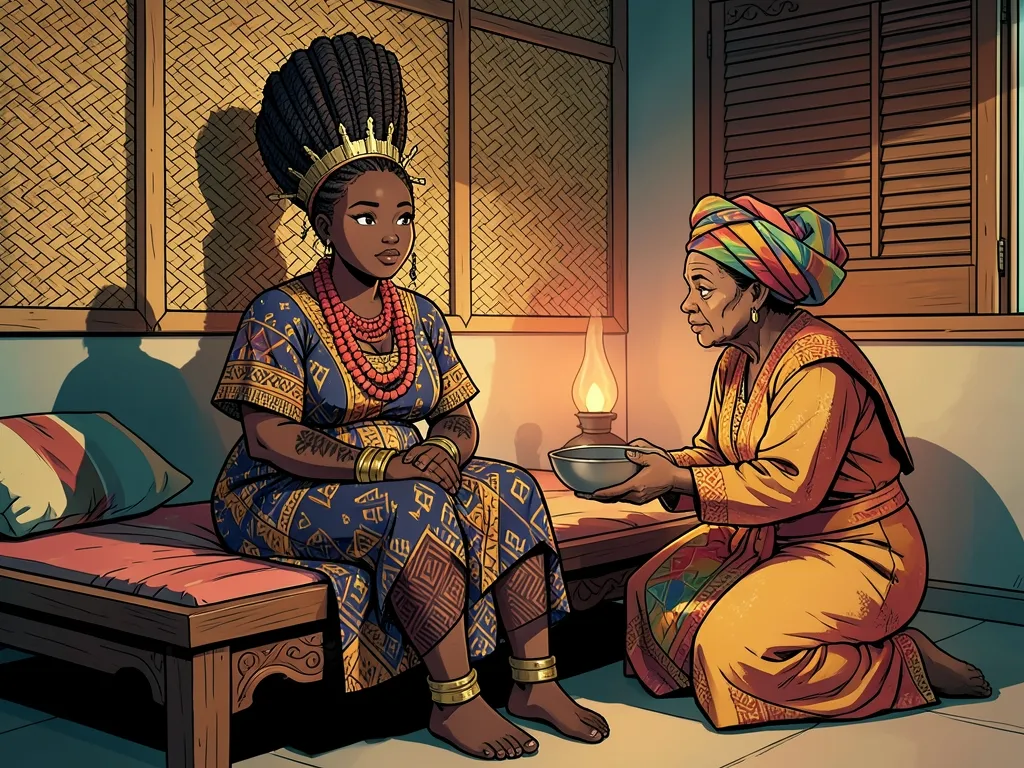
The West African Kingdom Where Brides Were Fed Like Royalty
In the Kingdom of Calabar, elite families fed and secluded their daughters for months before marriage — a fuller body wasn't an accident. It was the point.
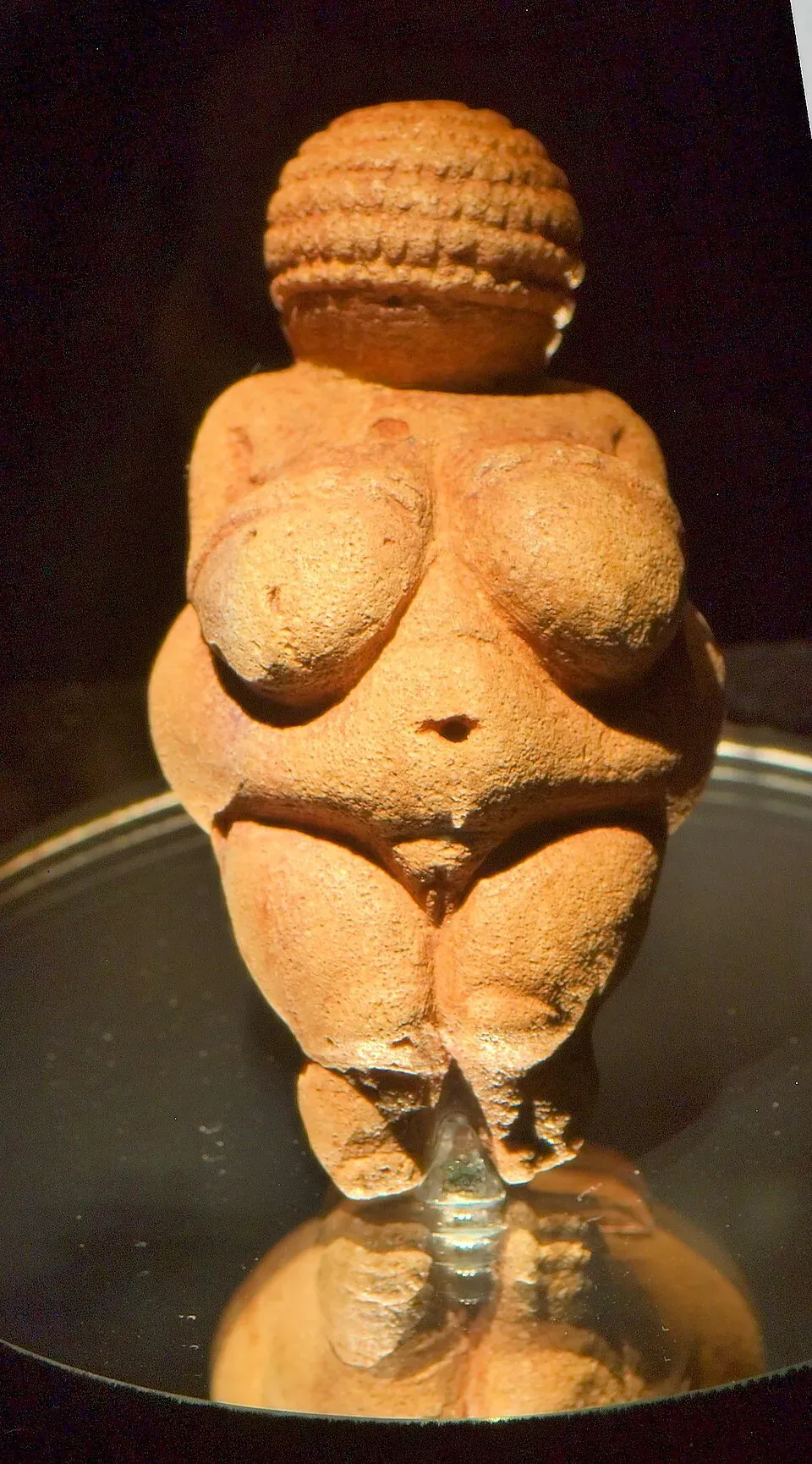 Historical image — Photo by MatthiasKabel, CC BY 2.5, via Wikimedia Commons
The First Woman Ever Carved Wasn't Thin
Forty thousand years before "body positivity," Ice Age carvers rendered the female body full and soft. Nobody agrees why — but nobody flattened her.
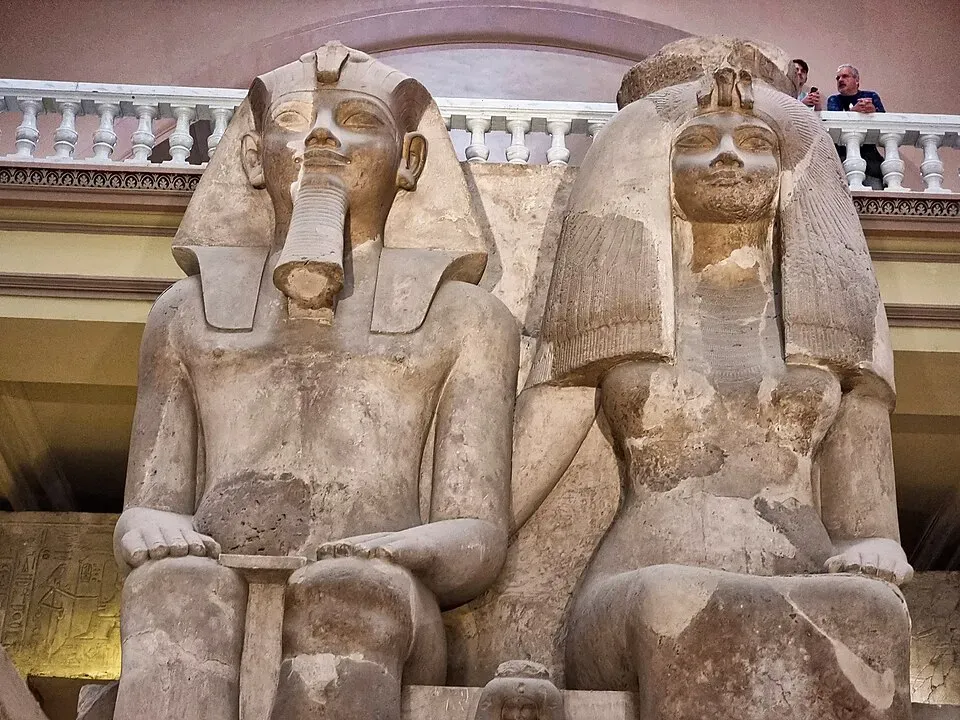 Historical image — Photo by Prof. Mortel, CC BY 2.0, via Wikimedia Commons
The Courts That Crowned Her
From the Nile to the Yangtze to the courts of West Africa, six empires didn't just accept a fuller figure — they built their idea of royalty around it. We restore the original narrative.